2026 Best Inverter Heat Pumps: Top Models for Efficiency and Savings
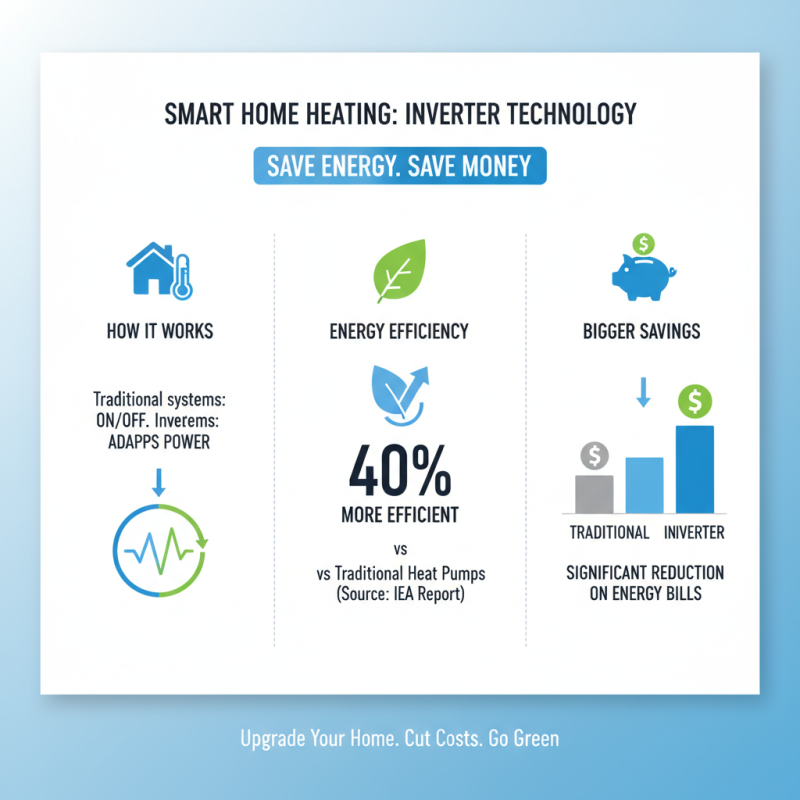
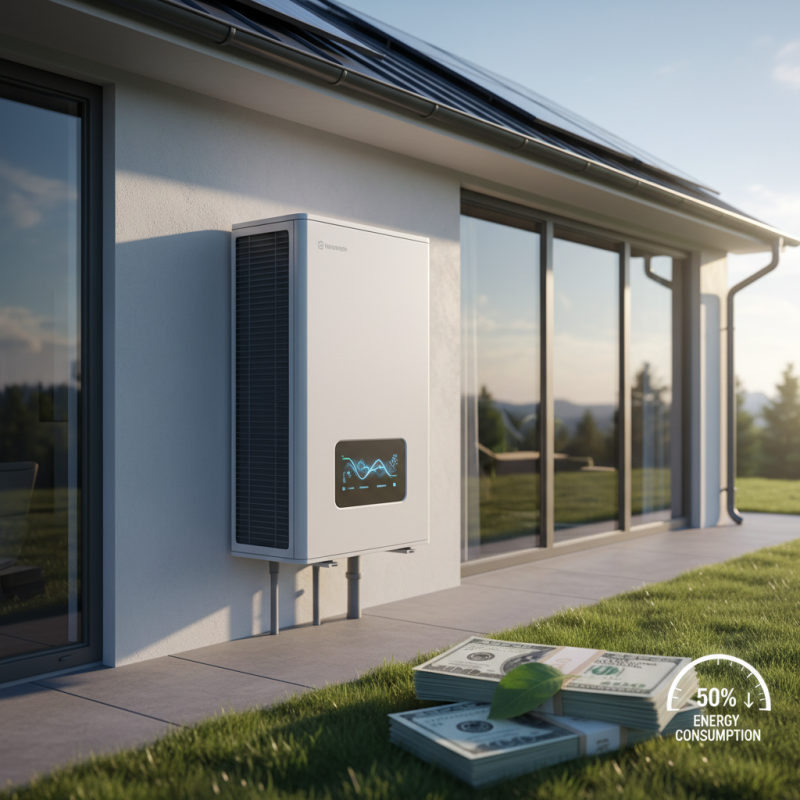
Inverter Heat Pumps represent a significant leap in home heating and cooling technology. According to the International Energy Agency, these systems can reduce energy consumption by up to 50% compared to conventional units. This efficiency translates into substantial cost savings for homeowners. Inverter technology adapts to real-time temperature changes, ensuring consistent comfort while using less energy.
As we approach 2026, many consumers are looking for the best models available. The market is flooded with options, yet not all inverter heat pumps are created equal. Potential buyers often face confusion due to varying efficiency ratings and feature sets. For instance, some models may offer advanced filtration systems but lack in heating performance.
Choosing the right inverter heat pump requires careful consideration. Look for units with high Seasonal Energy Efficiency Ratios (SEER). Brands with strong warranty support are also crucial. The decision must balance between upfront costs and long-term savings. Industry experts emphasize that informed choices can yield better energy efficiency and affordable comfort over time.
2026 Overview of Inverter Heat Pumps and Their Advantages in Efficiency
Inverter heat pumps are transforming the HVAC industry with their efficiency. These systems adjust their compressor speed based on heating or cooling needs. This allows for optimal energy use. According to a recent report by the Department of Energy, inverter heat pumps can be up to 30% more efficient than traditional units. This translates to significant savings on energy bills for homeowners.
One of the standout features of inverter models is their ability to maintain consistent indoor temperatures. This reduces energy spikes during peak usage periods. However, some consumers may find initial installation costs higher. Yet, these systems typically pay for themselves through savings over time. Research indicates that the average payback period for inverter heat pumps is around five years.
While many users rave about the comfort and efficiency, not all installations are flawless. Improper sizing or installation can lead to decreased performance. Regular maintenance is crucial, and some homeowners overlook this aspect. It’s important to consider both upfront costs and long-term gains when investing in these systems. The benefits are clear, yet understanding the balance between cost and efficiency is essential.
2026 Best Inverter Heat Pumps Efficiency Comparison
This chart illustrates the efficiency ratings (SEER) of various inverter heat pump models in 2026. Higher SEER ratings indicate better energy efficiency, leading to significant savings on energy bills.
Key Features of Top Inverter Heat Pump Models for Optimal Performance
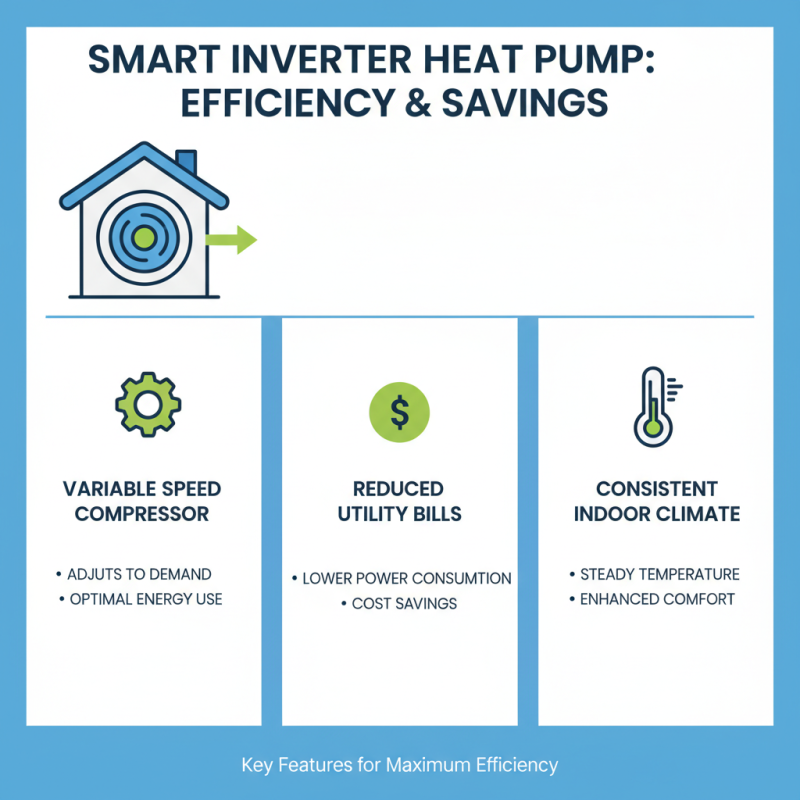
When selecting an inverter heat pump, it’s crucial to focus on key features that enhance efficiency and savings. Look for models equipped with variable speed compressors. These compressors adjust their speed based on the heating or cooling demand, leading to reduced energy consumption. A system with this feature not only saves on utility bills but also provides a more consistent indoor climate.
Another important aspect is the seasonal energy efficiency ratio (SEER) and heating seasonal performance factor (HSPF). Higher ratings indicate better overall performance. It is wise to compare these ratings before making a decision. Ensuring a high SEER and HSPF can significantly improve your comfort and lower energy costs over time.
Also, consider advanced control options. Smart thermostats can optimize performance and adapt to your lifestyle. Some systems offer mobile app connectivity for remote management. This convenience enhances user experience, but it also brings a complexity that some homeowners might find overwhelming. Each feature comes with its pros and cons, and a thorough understanding is essential.
Comparative Analysis of Energy Savings and Costs of Leading Heat Pumps
When selecting a heat pump, energy savings matter. Inverter heat pumps stand out due to their efficient operation. They adjust their speed based on heating needs, which can lead to significant savings. Users are seeing reductions in their energy bills. However, not all models perform the same. A thorough analysis is crucial.
Consider your specific needs. You may need a pump for a larger space or a colder climate. Check the energy efficiency ratings. Look for models with high Seasonal Energy Efficiency Ratio (SEER) and Heating Seasonal Performance Factor (HSPF). While higher-rated units may cost more initially, they pay off over time.
Here are some tips: Measure your home’s square footage. Calculate how much you currently spend on heating. An efficient model can provide quality comfort and savings. Don’t rush the decision. The wrong choice may cost you. Evaluate your options carefully. Keeping updated with the latest models can also help in making a wise choice.
2026 Best Inverter Heat Pumps: Top Models for Efficiency and Savings
| Model |
Energy Efficiency Rating (SEER) |
Heating Capacity (BTU) |
Annual Energy Savings ($) |
Initial Cost ($) |
Payback Period (Years) |
| Model A |
22 |
12000 |
350 |
4500 |
12.9 |
| Model B |
20 |
15000 |
300 |
5000 |
16.7 |
| Model C |
24 |
18000 |
400 |
5500 |
13.75 |
| Model D |
19 |
13000 |
250 |
4200 |
16.8 |
| Model E |
23 |
16000 |
375 |
5300 |
14.13 |
Industry Trends: Innovations in Inverter Technology for Home Heating
Innovations in inverter technology for home heating are transforming the way we conserve energy. According to a report by the International Energy Agency, inverter heat pumps can be up to 40% more efficient than traditional heating systems. This efficiency translates into significant savings on energy bills, making these systems increasingly attractive to homeowners.
Recent advancements in inverter technology focus on modulating compressor speeds. This allows units to adjust the heating output to match the current demand. A study from the U.S. Department of Energy found that homes using these systems could see lower greenhouse gas emissions, enhancing their appeal. Yet, there are challenges. The upfront costs can be higher, and some installations may be complex.
Furthermore, not all models perform well in extreme temperatures. In colder climates, inverter heat pumps may struggle to provide adequate heating. This is a point that warrants careful consideration. Homeowners should not overlook local climate factors when evaluating these systems. Balancing efficiency with practical performance is crucial for genuine energy savings.
Environmental Impact: Reducing Carbon Footprint with Inverter Heat Pumps
Inverter heat pumps are gaining popularity for their efficiency and eco-friendly features. These devices adjust their operation to the required heating or cooling load. By doing so, they use less energy compared to conventional systems. This means fewer greenhouse gas emissions. A lower carbon footprint is crucial in the fight against climate change. Many people overlook the significance of switching to efficient systems.
However, the path to widespread adoption is not flawless. Some users face challenges with installation and maintenance. Proper understanding is key to maximizing their benefits. Additionally, upfront costs can be a barrier for some homeowners. Without financial incentives, many choose traditional systems, despite their negative environmental impact.
The efficiency of inverter heat pumps grows over time, yet awareness is still lacking. Many consumers are unaware of how these systems can contribute to energy savings. Education is essential to encourage thoughtful choices for sustainability. It's not just about the technology; it's about committing to better environmental practices.