2026 Top Fruit Dehydrator Machine Buying Guide for Importers
In the ever-evolving market of food preservation, the Fruit Dehydrator Machine stands out as an essential tool. This machine allows importers to maximize the shelf life of fruits while retaining their natural flavors and nutrients. Understanding the intricacies of choosing the right model can be daunting. Many importers face challenges due to the variety of options available. It’s vital to have a clear understanding of performance, energy efficiency, and durability.
With the rise in health-conscious consumers, there’s an increasing demand for dried fruits. This demand fuels the need for reliable and efficient Fruit Dehydrator Machines. Not all machines are created equal. Some may not perform as expected, leading to disappointment. A thorough assessment of features and specifications will ensure that importers make an informed decision.
Balancing quality and cost is crucial. Often, cheaper machines compromise on performance, impacting the drying process. As you navigate the buying process, reflecting on your specific needs is essential. A good Fruit Dehydrator Machine should align with your business goals and customer expectations. Pay attention to user reviews and expert recommendations. This can guide you toward making a more confident purchase.
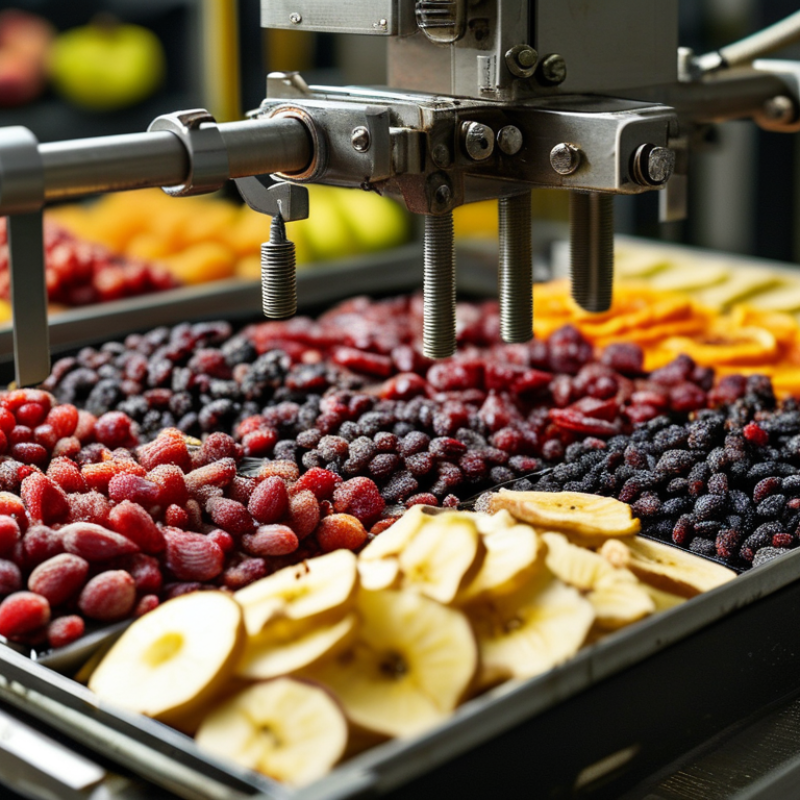
Understanding Fruit Dehydrators: Types and Technologies
When considering a fruit dehydrator, it's essential to understand the variety of available types and technologies. Dehydrators can range from simple models to advanced machines. Each design affects efficiency and fruit quality. Common types include tray-based, stackable, and hybrid dehydrators. Tray-based models allow for easy access and versatility in drying different fruit types. Stackable options save space but may limit airflow.
The technology behind fruit dehydrators varies significantly. Some use fan-assisted airflow, which ensures even drying. Others may utilize infrared or solar power. Understanding these technologies can help in selecting the right unit for your needs. For example, infrared models can be more energy-efficient but may require a larger initial investment. Purchasing decisions should weigh the importance of drying speed versus energy consumption.
Reflect on personal usage and the volume of fruit to be dried. High-capacity models attract those looking to produce in large quantities. However, they can be challenging to monitor. Smaller units tend to be easier to handle but may not meet higher demands. It's vital to evaluate your specific requirements to find a dehydrator that aligns with your goals.
2026 Top Fruit Dehydrator Machine Buying Guide for Importers
| Type |
Technology |
Capacity (kg) |
Energy Efficiency |
Price Range (USD) |
| Tray Dehydrator |
Convection |
5-10 |
A++ |
50 - 150 |
| Stackable Dehydrator |
Air Flow |
10-20 |
A+ |
100 - 250 |
| Freeze Dryer |
Lyophilization |
1-5 |
B |
1000 - 5000 |
| Rotary Drum Dehydrator |
Indirect Heating |
50-100 |
A++ |
500 - 2000 |
| Inline Dehydrator |
Continuous Flow |
100-200 |
A+++ |
2000 - 10000 |
Key Features to Consider When Buying a Fruit Dehydrator
When considering a fruit dehydrator, key features play a vital role in your purchasing decision. Capacity is crucial. Some models hold up to 12 trays, while others may only accommodate six. Higher capacity allows for larger batches, essential for commercial users. Efficiency is another factor. Reports indicate that energy-efficient models can save up to 30% on electricity.
Temperature control is paramount. A dehydrator with adjustable settings ensures optimal drying for various fruits. For instance, apples require a lower temperature compared to bananas. Users should also note the drying time. Ideally, fruit should dehydrate within 6 to 12 hours. Inconsistent results can happen with less reliable machines, leading to wasted time and energy.
Material quality affects both durability and food safety. Stainless steel is often preferred over plastic, providing better longevity and resistance to odors. Noise levels should also be considered; some machines can be quite loud, potentially disturbing work environments. Finally, user-friendly controls increase functionality but may complicate the process for less experienced users. Balancing these features is crucial for making a wise investment.
Top Brands and Models of Fruit Dehydrators for Importers
When looking for fruit dehydrator machines, several brands and models stand out. These devices vary in capacity, drying technology, and price points. Importers should consider how these factors align with their business needs. Doing thorough research on each brand can reveal strengths and weaknesses.
Some brands focus on user-friendly designs, making operation simple. Others offer advanced features like digital controls and adjustable temperature settings. But, not all high-tech machines guarantee better results. A fruit dehydrator's effectiveness also depends on how well it circulates air. Look for reviews from users who have tested these machines extensively.
Reliability is crucial for importers. They need machines that are durable and energy-efficient. Some models may promise quick results but fail in long-term performance. Reliability testing can help identify these issues before making a purchase. Importers should pay attention to their specific needs and budget when choosing the right model. It’s important to weigh all options carefully.
2026 Top Fruit Dehydrator Machine Sales Volume Comparison
Cost Analysis: Budgeting for Your Fruit Dehydrator Purchase
When considering the purchase of a fruit dehydrator, budgeting is crucial. Industry reports indicate that high-quality fruit dehydrators range from
$200 to $2,000. Depending on capacity and features, prices can vary significantly. Entry-level models may cost less but often lack efficiency and durability.
Thus, it's wise to allocate a budget that reflects quality.
Additional costs are often overlooked. Installation and maintenance can add another layer to the initial purchase.
A recent study found that maintenance costs could be about 15% of the machine's price annually. Importers should also factor in shipping and import duties, which can substantially influence the total investment.
Considering energy consumption is important too. Energy-efficient models can save 30% on electricity costs.
This can add up, especially for businesses using these machines regularly. Therefore, a detailed cost analysis is essential. It ensures financial sustainability and optimizes operations.
Investing in a fruit dehydrator is more than just the purchase price. It's about long-term gains and operational efficacy.
Tips for Successful Importing and Shipping of Dehydrators
When importing fruit dehydrator machines, understanding the shipping process is crucial. Choose a
reliable shipping partner
with experience in handling machinery. It ensures the dehydrators arrive undamaged. The right packaging protects
the units during transit. Use cushioning materials to prevent movement.
Pay attention to standard weight limits. It can affect your shipping costs.
Customs clearance is another important consideration. Prepare accurate documentation in advance.
Missing or incorrect papers can lead to delays. Research the regulations in the destination country; they can vary significantly.
Engage a customs broker to navigate this maze. Their expertise can save time and avoid headaches.
Lastly, maintain communication with suppliers throughout the process. This helps to manage expectations.
Discuss delivery timelines and shipping methods. Being proactive can prevent misunderstandings.
Reflect on past experiences with imports. Learning from previous challenges can refine your approach.
Each shipment is a new opportunity for improvement.