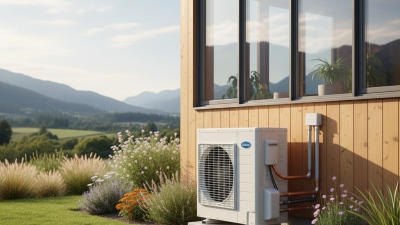
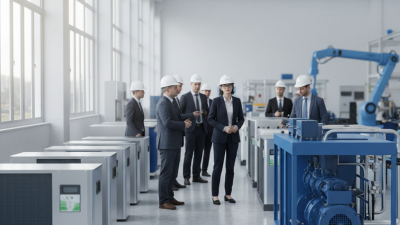
Top 10 Benefits of Air Energy Heat Pumps for Home Heating Solutions?
Air Energy Heat Pumps have become a significant solution for home heating in recent years. According to the U.S. Department of Energy, these systems can reduce energy consumption by 50% compared to traditional heating methods. This efficiency not only lowers utility bills but also decreases greenhouse gas emissions, making them environmentally friendly.
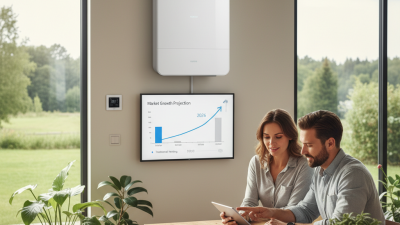
Moreover, Air Energy Heat Pumps operate by transferring heat rather than generating it, which enhances their efficiency. The International Energy Agency reports that the global market for heat pumps is expected to grow by 10% annually through 2025. This reflects a growing acknowledgment of their benefits in modern homes.
Despite their advantages, there remain challenges. Initial installation costs can be higher than other systems. Homeowners must evaluate these costs against long-term savings. Conversations around energy efficiency continue, emphasizing the need for awareness and informed decisions among consumers. Exploring the top benefits of Air Energy Heat Pumps reveals not only their innovative technology but also invites potential clients to consider their heating options carefully.
Advantages of Air Energy Heat Pumps in Residential Heating
Air energy heat pumps are becoming an increasingly popular choice for residential heating. These systems utilize air from the environment to heat or cool homes efficiently.
According to the U.S. Department of Energy, heat pumps can reduce electricity usage by 30-50% compared to traditional heating methods. This makes them an attractive option for homeowners seeking cost-effective solutions.
One significant advantage of air energy heat pumps is their energy efficiency. They convert ambient air into heat with minimal energy input. This can lead to substantial savings on energy bills. Moreover, they provide both heating and cooling, streamlining your home's climate control. They also have a low environmental impact by reducing greenhouse gas emissions.
Tips for optimal use include ensuring proper insulation for your home. This prevents heat loss and maximizes efficiency. Regular maintenance is essential too. Dirty filters can hinder performance and increase energy consumption.
Additionally, while air energy heat pumps work well even in colder climates, their efficiency may drop as outdoor temperatures decrease. It's vital to consider local climate conditions when investing in this technology. Despite their advantages, not every home may be suitable for a heat pump system. A thorough assessment is recommended.
Energy Efficiency and Cost Savings with Heat Pumps
Air energy heat pumps are becoming increasingly popular for home heating. They provide numerous benefits, particularly in energy efficiency and cost savings. These systems utilize the ambient air to extract heat. This process requires minimal energy, which can lead to substantial savings on energy bills. Homeowners often find that their heating expenses decrease significantly.
When considering a heat pump, it's essential to assess your home's insulation. Poor insulation can decrease efficiency. Ensure that windows and doors are sealed properly. Regular maintenance of the heat pump also plays a crucial role in maximizing efficiency. Neglecting it could lead to increased operational costs and reduced lifespan.
Remember that climate can influence the performance of air energy heat pumps. In colder regions, their efficiency may drop. However, many modern systems are designed to work effectively even in lower temperatures. Considering this, it's vital to choose a model suited for your local climate. This can enhance your home’s comfort while keeping costs manageable.
Top 10 Benefits of Air Energy Heat Pumps for Home Heating Solutions
Environmental Benefits of Utilizing Air Energy Heat Pumps
Air energy heat pumps are transforming home heating systems, offering significant environmental benefits. They utilize ambient air for heating, drastically lowering greenhouse gas emissions compared to traditional fossil fuels. According to the U.S. Department of Energy, switching to heat pumps can reduce carbon emissions by up to 40%. This shift is vital in achieving climate goals and promoting energy efficiency.
Moreover, heat pumps consume less electricity than conventional heating systems. The Environmental Protection Agency notes that heat pumps can convert energy used for heating into 300% efficiency. This means for every unit of electricity consumed, three units of heating are produced. Reducing electricity demand leads to fewer power plants and lower overall environmental impact.
Tips: When considering air energy heat pumps, conduct a thorough energy audit of your home. This assessment ensures optimal performance and energy savings. Evaluate your insulation and air leaks to maximize efficiency. Investing in a quality installation is crucial. It directly influences the system's performance and longevity.
Versatility of Air Energy Heat Pumps for Different Home Sizes
Air energy heat pumps are gaining attention for their adaptability to various home sizes. These systems utilize external air to provide efficient heating and cooling. This makes them suitable for both small apartments and larger homes. Homes of different dimensions often present unique heating challenges. Some areas might struggle with cold spots, while others can be too warm. Air energy heat pumps aim to solve these issues.
For smaller homes, air energy heat pumps can offer targeted heating. Compact designs fit well into limited spaces. They still deliver reliable performance. In contrast, larger homes may require multiple units for even heat distribution. This can increase efficiency, preventing overworking a single unit. Each home's layout also plays a significant role. A well-placed pump can enhance comfort levels dramatically.
The versatility of these systems must be acknowledged, but they are not without their shortcomings. For instance, installation might be more complex for large or uniquely shaped homes. Additionally, some homeowners may find initial costs daunting. Regular maintenance is crucial for optimal performance. Thus, while air energy heat pumps present great potential, careful planning and considerations are key to successful application.
Comparative Analysis: Air Energy Heat Pumps vs. Traditional Heating Systems
When comparing air energy heat pumps to traditional heating systems, several factors come into play. Air energy heat pumps draw heat from the outside air, making them more energy-efficient. They often use less electricity than electric heaters. In contrast, traditional systems usually rely on fossil fuels, leading to higher operational costs. Heat pumps can reduce energy bills significantly. This is one advantage that many homeowners notice.
Traditional heating systems can struggle in extreme temperatures. Some homeowners report inefficiency when winter temperatures drop significantly. In these cases, heat pumps may require supplemental heating, which could lessen their overall benefits. However, air energy heat pumps maintain better energy performance than typical combustion-based systems. They balance comfort with sustainability, an increasingly important factor in today’s energy-conscious market.
There’s a learning curve in switching to heat pumps. Installation can be complex. Homeowners need to evaluate their property and climate carefully. Not all homes are suited for heat pump technology. A professional assessment is crucial to ensure effectiveness. This may leave some feeling uncertain about making the change. Nonetheless, understanding both systems empowers homeowners to make informed choices.