Leave Your Message
AI Helps Write

What are the Benefits of Energy Efficient Heat Pumps in 2026?

In 2026, the shift towards sustainable living is gaining momentum. Energy Efficient Heat Pumps are at the forefront of this movement. According to the International Energy Agency (IEA), heat pumps could reduce global CO2 emissions by over 1 billion tons annually by 2030. This data illustrates the significant potential of these systems.

Adopting Energy Efficient Heat Pumps not only curtails emissions but also lowers energy costs for consumers. A recent study indicates that households using heat pumps could save between 30% to 50% on heating bills. However, the initial installation cost can be daunting. This deters some homeowners from making the switch despite long-term savings.

As technology evolves, the efficiency and accessibility of these systems improve. New models are more effective in varying climates. Nonetheless, the market still faces challenges like consumer awareness and incentives. Addressing these issues remains crucial for the widespread adoption of Energy Efficient Heat Pumps.
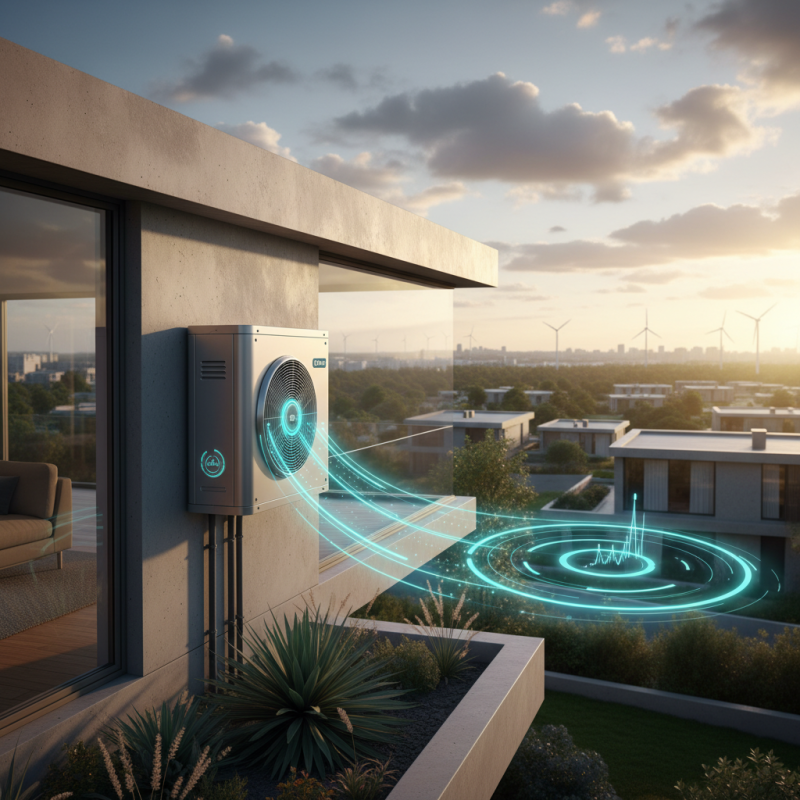
What are the Benefits of Energy Efficient Heat Pumps in 2026?

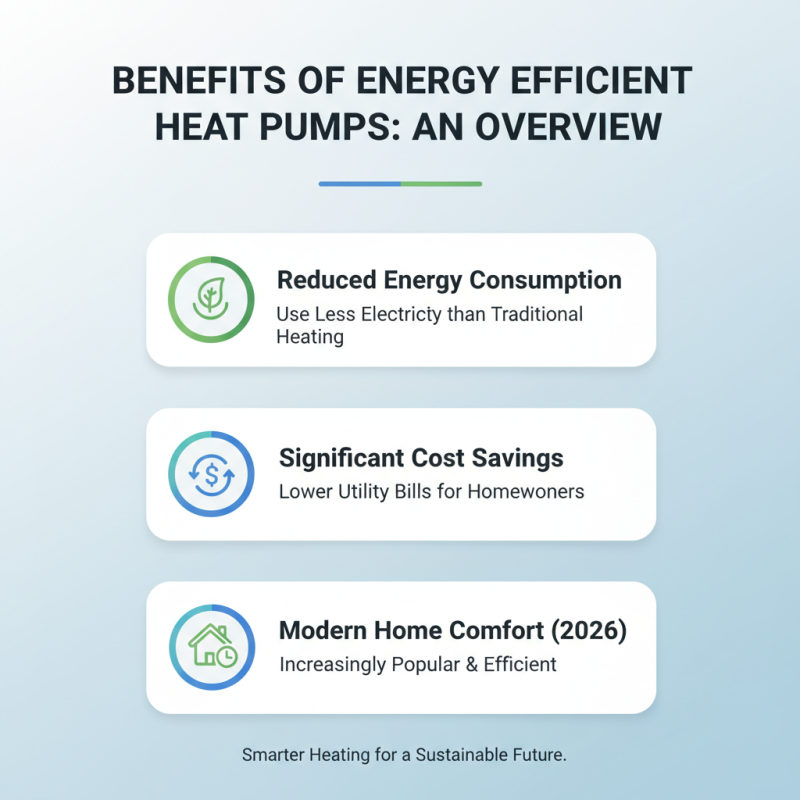
Benefits of Energy Efficient Heat Pumps: An Overview

What are the Benefits of Energy Efficient Heat Pumps in 2026?

Energy efficient heat pumps are increasingly popular in homes. They provide numerous benefits in 2026. One major advantage is reduced energy consumption. These systems use less electricity than traditional heating methods. This can lead to significant savings on utility bills. Many homeowners have reported lower costs.

Another benefit is improved environmental impact. Energy efficient heat pumps emit fewer greenhouse gases. They are designed to use renewable energy sources. This makes them a more sustainable option. In many areas, this aligns with local climate goals.

**Tips:** Consider your home’s insulation. Proper insulation can boost heat pump efficiency. Schedule regular maintenance to ensure optimal performance.

Installation costs can be high. Homeowners should weigh these against long-term savings. Energy savings may not always offset the initial investment quickly. Take the time to research options. Understanding your needs can prevent regrets later. Efficient systems require careful planning, and it’s easy to overlook key details.
Cost Savings Through Energy Efficiency in Heat Pumps

Energy-efficient heat pumps are becoming essential in 2026. They promise substantial cost savings through their advanced technology. By utilizing renewable energy, these systems can lower utility bills dramatically. Homeowners are noticing reductions of up to 30% on their energy costs. This efficiency translates to real savings over time.

Many people wonder if the initial investment is worth it. While the upfront costs can be high, the long-term benefits are significant. In a few years, these savings often outweigh the initial expense. This makes energy-efficient heat pumps a smart financial choice for many.

However, consumers need to be aware of their unique heating and cooling needs. It is also crucial to consider installation. Poorly installed systems may not perform as expected. Regular maintenance can be overlooked, affecting efficiency.

Homeowners must educate themselves about proper care. Without diligence, the dream of energy savings can turn into frustration. Balancing initial costs with long-term savings requires thoughtful consideration.

Environmental Impact: Reducing Carbon Footprint with Heat Pumps

In 2026, energy-efficient heat pumps offer remarkable benefits for the environment. These systems can significantly reduce greenhouse gas emissions. By replacing traditional heating systems, heat pumps directly lower our carbon footprint. They draw heat from the air, ground, or water instead of burning fossil fuels. This process is much cleaner.

Adopting heat pumps isn't a perfect solution. Some concerns remain. They require energy to operate, and if this energy comes from non-renewable sources, the benefits diminish. Additionally, the installation process can be disruptive. Homeowners often face challenges in retrofitting older properties. Despite these drawbacks, the potential for positive environmental impact is substantial.

Moreover, heat pumps can improve overall energy efficiency in homes. They often lead to lower energy bills as they use less electricity for heating and cooling. However, the initial investment can be a barrier for some. Balancing the long-term savings with the upfront costs is crucial. Understanding these factors can help homeowners make informed decisions about their heating systems.

Improved Comfort and Indoor Air Quality with Heat Pumps

Heat pumps are changing home comfort in 2026. These systems efficiently transfer heat, improving both warmth and coolness. They create a balanced indoor environment, enhancing air quality. The constant movement of air helps reduce moisture and allergens. This makes your home healthier for everyone.

Tip: Regularly clean or replace filters to maintain optimal air quality. It can help reduce dust and improve airflow. Check your heat pump schedules to prevent sudden temperature changes.

Another benefit is energy efficiency. Heat pumps consume less energy compared to traditional systems. This lower consumption leads to savings on energy bills. However, installation costs can be high. Some might hesitate because of this upfront investment. It's important to consider long-term savings as well.

Tip: Look into local incentives for energy-efficient installations. These can help offset initial costs. A well-informed decision can lead to a cozier home and a healthier family environment.

Benefits of Energy Efficient Heat Pumps in 2026

Benefit Description Impact on Comfort Impact on Indoor Air Quality Estimated Savings (%)
Energy Efficiency Heat pumps utilize electricity efficiently by transferring heat rather than generating it. Increased comfort through consistent temperature control. Reduced humidity and improved air circulation enhance indoor air quality. 20-40%
Environmental Impact Lower greenhouse gas emissions compared to traditional heating systems. Comfort without contributing significantly to global warming. Less reliance on fossil fuels improves air quality outside and inside. 30-50%
Versatility Can provide both heating and cooling, making them suitable for all seasons. Maintains a comfortable environment year-round. Helps prevent mold and allergens by controlling temperature and humidity. 15-25%
Low Operating Costs Lower utility bills due to high efficiency and potential renewable energy sources. Improved comfort at a lower cost. More consistent air quality control without high costs. 25-35%
Incentives and Rebates Government programs offer financial incentives for installation. Affordability increases, enhancing comfort options for more people. Encourages homeowners to improve indoor conditions. Varies by state

Government Incentives and Funding for Energy Efficient Heat Pumps

What are the Benefits of Energy Efficient Heat Pumps in 2026?

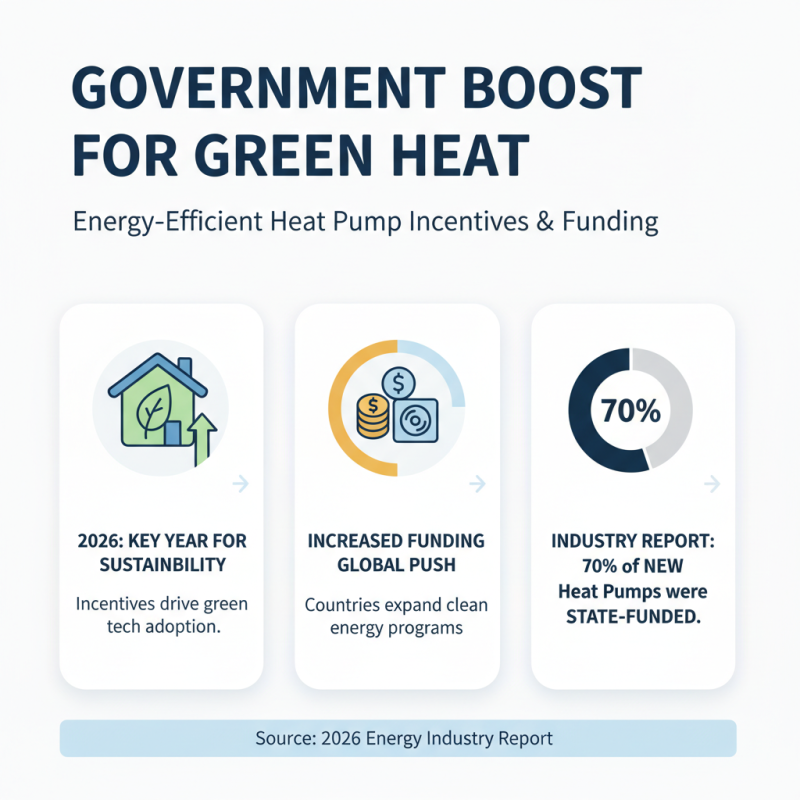
In 2026, government incentives for energy-efficient heat pumps play a crucial role in promoting sustainability. With many countries pushing for greener technologies, funding programs have increased. For instance, a recent industry report highlighted that 70% of newly installed heat pumps were partly funded through state incentives.

These financial aids significantly lower the initial costs of heat pump installations. Households can save up to 30% on their upfront investment. This translates to millions of dollars redirected to other crucial areas in local economies. Moreover, with energy bills rising, efficient heat pumps can reduce monthly expenses by up to 50%.

While these incentives are beneficial, challenges remain. Not all homeowners qualify for funding, and application processes can be complex. Clarity and accessibility to these programs need improvement. Additionally, technical limitations of heat pumps in extreme climates require ongoing research and solutions. Addressing these issues will ensure that more households can benefit from these advanced heating solutions.