Top Benefits of Heat Pump Heaters for Efficient Home Heating Solutions
In recent years, homeowners have been increasingly seeking efficient and eco-friendly heating solutions, and the Heat Pump Heater stands out as a remarkable option. Utilizing innovative technology, heat pump heaters transfer heat rather than generate it, providing a sustainable way to maintain comfortable indoor environments. This process not only consumes less energy compared to traditional heating systems but also significantly reduces utility bills, making it a financially savvy choice for many families.
Moreover, the versatility of heat pump heaters extends beyond mere heating, as they can also function effectively as cooling systems during warmer months. This dual functionality reinforces their value in homes and fosters year-round comfort. As climate change continues to influence our weather patterns and energy consumption behaviors, incorporating energy-efficient solutions like heat pump heaters becomes not just a preference, but a necessity for environmentally conscious homeowners.
In this article, we will explore the top benefits of heat pump heaters, emphasizing their efficiency, cost-effectiveness, and eco-friendliness. Understanding these advantages can help homeowners make informed decisions when seeking sustainable heating solutions that align with modern living needs.
Understanding Heat Pump Heaters and Their Mechanism
Heat pump heaters operate on a fundamental principle of thermodynamics, effectively transferring heat from one location to another. Unlike traditional heating systems that generate heat from combustible fuels, heat pumps use electricity to move heat, making them a highly efficient option for home heating. According to the U.S. Department of Energy, heat pumps can deliver up to three times more heat energy than the electrical energy they consume, achieving efficiency ratings of up to 300%. This remarkable performance not only reduces utility bills but also significantly lowers carbon emissions, contributing to a greener environment.
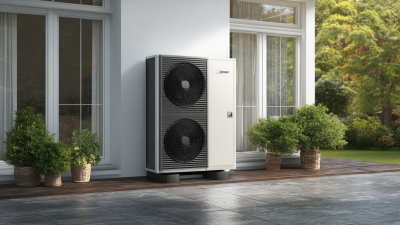
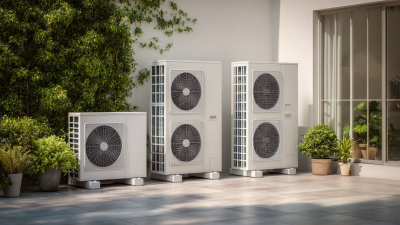
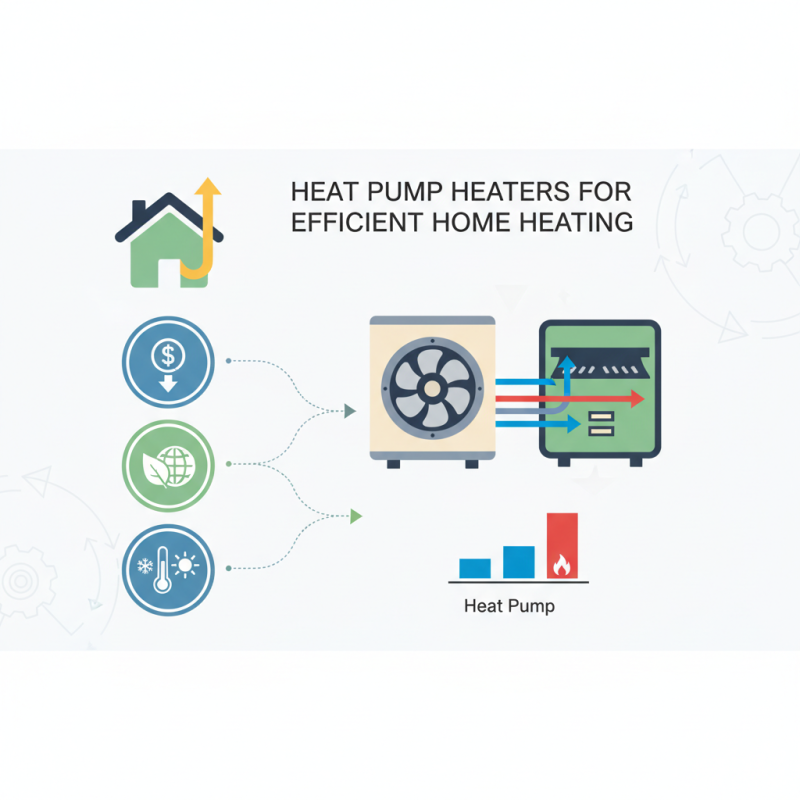
Understanding the mechanism behind heat pump heaters is crucial for homeowners looking to invest in efficient heating solutions. Heat pumps consist of an indoor and outdoor unit connected by refrigerant lines. The outdoor unit extracts heat from the air or ground (even in cold temperatures) and transfers it indoors, where it is concentrated to provide warmth. The system can also reverse this process for cooling in warmer months. A report by the International Energy Agency indicates that widespread adoption of heat pumps could reduce global energy consumption in residential heating by 20% by 2040, showcasing their potential impact on energy efficiency and sustainability. This dual functionality and energy-saving capabilities make heat pump heaters an attractive option for environmentally-conscious homeowners.
Energy Efficiency of Heat Pump Heaters Compared to Traditional Systems
Heat pump heaters are gaining increasing recognition as a superior option for home heating, particularly in terms of energy efficiency compared to traditional heating systems. According to the U.S. Department of Energy, heat pumps can reduce energy consumption for heating by approximately 50% compared to electric resistance heating and up to 30% compared to gas furnaces. This efficiency stems from their ability to transfer heat rather than generate it, making them an environmentally friendly choice that lowers carbon emissions and energy bills.
Furthermore, a study by the International Energy Agency (IEA) highlights that the adoption of heat pump technology in residential settings could contribute to the reduction of global energy-related CO2 emissions by up to 1.6 gigatons annually by 2030. This is particularly important as homeowners increasingly seek sustainable heating solutions in response to climate change. With advancements in technology, modern heat pumps now provide excellent performance even in colder climates, making them a resilient choice for efficient home heating. As energy efficiency continues to be a priority for homeowners and policymakers alike, heat pump heaters stand out as a viable solution for both cost savings and environmental sustainability.
Top Benefits of Heat Pump Heaters for Efficient Home Heating Solutions
| Benefits |
Heat Pump Heaters |
Traditional Systems |
| Energy Efficiency |
400% efficiency (1 unit electric = 4 units heat) |
Efficiency typically between 70-90% |
| Operating Costs |
Significantly lower energy bills |
Higher due to fossil fuel reliance |
| Environmental Impact |
Lower carbon footprint |
Higher emissions from burning fuels |
| Heating and Cooling |
Dual function for year-round comfort |
Limited to heating; separate AC needed |
| Longevity |
15-20 years |
10-15 years |
| Installation Flexibility |
Can be installed in various settings |
More rigid installation requirements |
Environmental Benefits of Using Heat Pump Heaters in Homes
Heat pump heaters are becoming increasingly popular as an environmentally friendly option for home heating solutions. These systems work by transferring heat rather than generating it, making them highly efficient. Unlike traditional heating methods that burn fossil fuels, heat pumps leverage renewable energy sources, reducing greenhouse gas emissions. This shift not only helps in combating climate change but also promotes a cleaner environment by decreasing dependency on non-renewable resources.
When considering heat pump heaters for your home, it's essential to maximize their efficiency. One useful tip is to ensure proper insulation in your home. When your home is well-insulated, the heat pump can maintain a consistent temperature with less energy, leading to increased efficiency and lower energy bills. Additionally, regularly servicing your heat pump can help maintain its efficiency, ensuring it operates optimally throughout its lifespan.
Another benefit of heat pump heaters is their ability to provide both heating and cooling solutions. By reversing the process, heat pumps can cool your home in the summer months, reducing the need for separate air conditioning systems. This versatility not only saves space but also cuts down on energy consumption. Consider integrating smart thermostats with your heat pump system to ensure optimal performance year-round, allowing you to control temperatures remotely and enhance efficiency further.
Cost Savings and Financial Incentives for Heat Pump Heater Installation
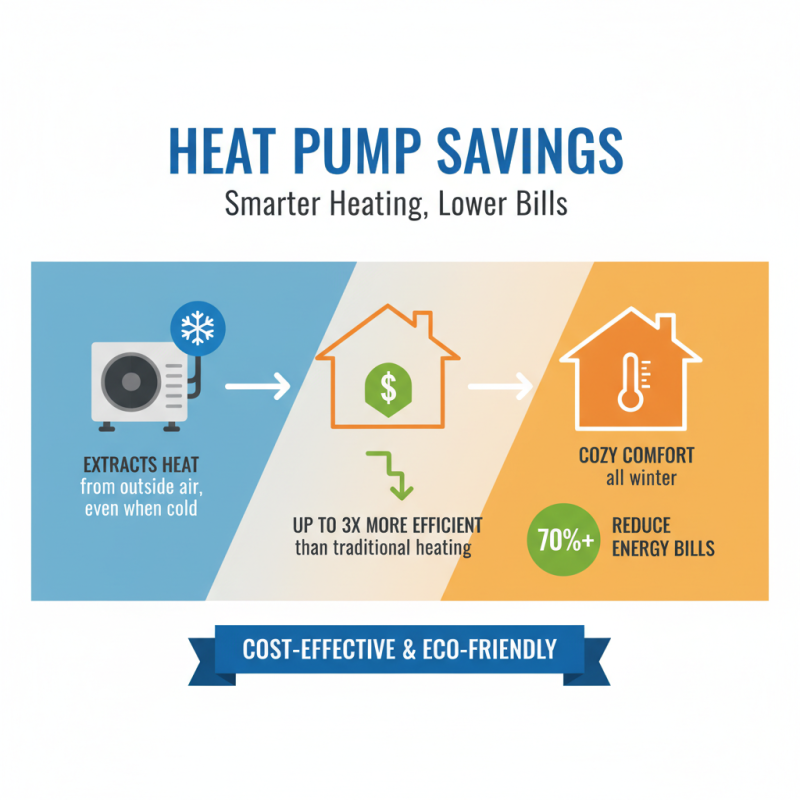
Heat pump heaters offer a cost-effective solution for home heating, significantly reducing energy bills compared to traditional heating systems. By extracting heat from the outside air, even in cold conditions, these systems are designed to provide efficient warmth with minimal energy consumption. Homeowners can enjoy substantial savings on their utility bills, as heat pumps can be up to three times more efficient than conventional heating methods. This efficiency not only lowers costs but also makes properties more comfortable throughout the winter months.
In addition to direct cost savings, various financial incentives are available for heat pump heater installation. Government programs and local utilities often provide rebates, tax credits, or low-interest financing options to encourage homeowners to invest in energy-efficient systems. These incentives can alleviate the upfront costs associated with purchasing and installing a heat pump, making it an attractive option for families looking to upgrade their heating solutions. By taking advantage of these financial benefits, homeowners can make a more sustainable choice while enhancing their long-term savings.
Maintenance and Longevity of Heat Pump Heating Systems
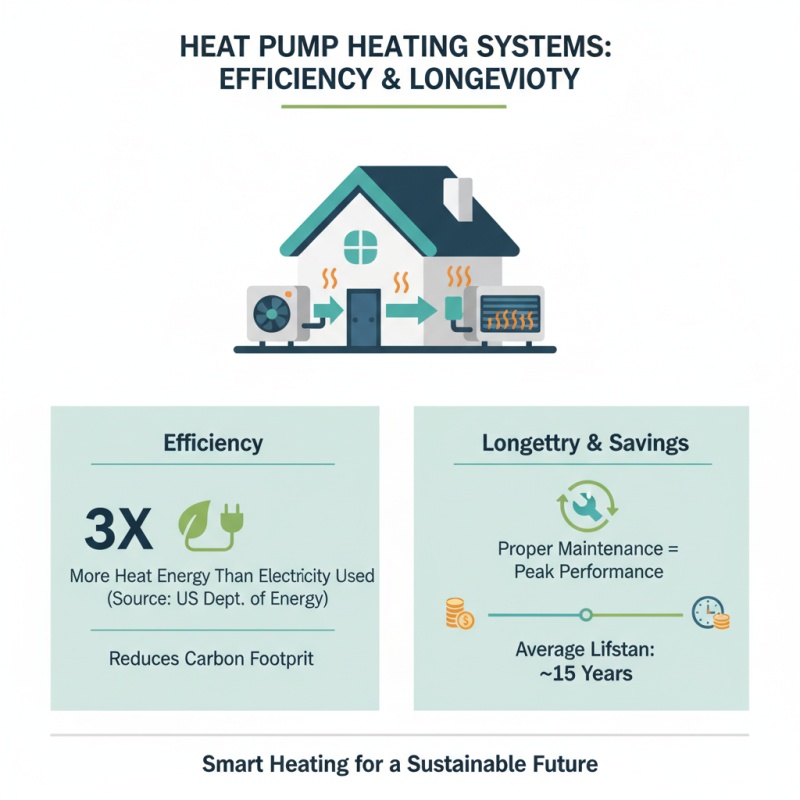
Heat pump heating systems have gained recognition as an efficient and environmentally friendly solution for home heating. However, to maximize their benefits, proper maintenance and attention to longevity are crucial. According to the U.S. Department of Energy, heat pumps can deliver up to three times more energy in the form of heat than they consume in electricity, making them an excellent alternative to traditional heating systems. Regular maintenance can ensure these systems operate at peak efficiency, extending their lifespan, which averages around 15 years.
One of the essential maintenance tips for heat pump heating systems is to keep the outdoor unit free of debris and obstructions. This allows for optimal airflow, which directly affects the system's efficiency. Additionally, it’s advisable to change or clean air filters every 1-3 months. A clogged filter can reduce airflow and strain the system, leading to increased energy consumption and potential breakdowns.
Investing in routine professional inspections can also enhance the longevity of heat pump systems. These checks can identify issues early, allowing homeowners to address minor repairs before they escalate into costly replacements. Regular maintenance not only extends the life of the heat pump but also ensures it runs efficiently, ultimately saving on heating costs and reducing the home’s carbon footprint.