Top 10 Benefits of Using a Fruit Vegetable Dryer for Healthy Living
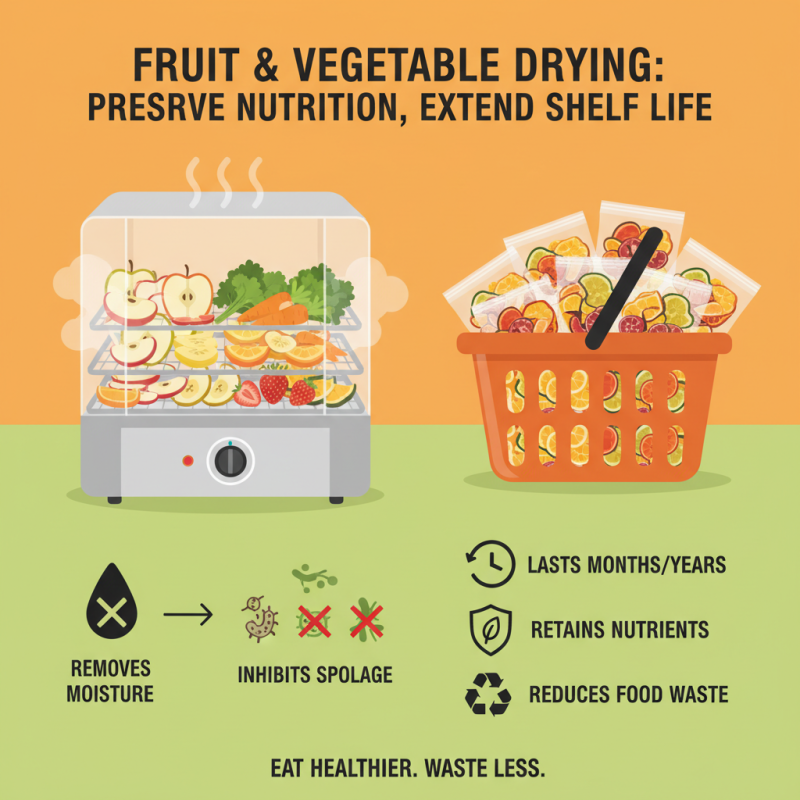
In today's fast-paced world, maintaining a healthy lifestyle often seems like a daunting task. One effective solution that many are turning to is the use of a Fruit Vegetable Dryer. This innovative appliance not only simplifies the process of preparing healthy snacks but also preserves the nutritional value of fruits and vegetables. By removing moisture, a Fruit Vegetable Dryer prevents spoilage, allowing individuals to enjoy their favorite produce year-round while minimizing waste.
The benefits of utilizing a Fruit Vegetable Dryer go beyond mere convenience. Dehydrated fruits and vegetables retain essential vitamins and minerals, making them an excellent addition to any diet. Furthermore, the ability to control the drying process empowers users to avoid harmful additives and excess sugars commonly found in commercial dried products. Ultimately, investing in a Fruit Vegetable Dryer promotes healthier eating habits and encourages individuals to incorporate more wholesome foods into their daily routines, paving the way for a balanced and nutritious lifestyle.

Benefits of Dehydrating Fruits and Vegetables for Nutritional Value
Dehydrating fruits and vegetables is a powerful method to enhance their nutritional value while extending their shelf life. When moisture is removed from produce, the concentration of vitamins and minerals becomes more pronounced, making dehydrated options a nutrient-dense snacking choice. For instance, dried fruits such as apricots and apples often contain higher levels of essential vitamins like vitamin A and C on a per-ounce basis compared to their fresh counterparts. This method not only preserves these nutrients but also allows you to enjoy them year-round, regardless of seasonal availability.
Moreover, the dehydration process helps in retaining the fiber content of fruits and vegetables, which is crucial for a healthy digestive system. Fiber plays a significant role in regulating blood sugar levels and promoting satiety, making dehydrated produce a great option for those looking to maintain a healthy weight or improve their overall health. Additionally, dehydrating fruits and vegetables eliminates the need for preservatives, leading to a cleaner food choice that aligns with health-conscious living. Overall, utilizing a fruit and vegetable dryer can significantly contribute to a wholesome diet, allowing for a convenient way to snack healthily while maximizing the nutritional benefits.
How Fruit and Vegetable Dryers Enhance Food Preservation Techniques
Using a fruit and vegetable dryer significantly enhances food preservation techniques, ensuring that the nutritional value of produce is maintained while extending its shelf life. Drying fruits and vegetables removes moisture, which is a critical factor in the growth of bacteria, mold, and yeast. By reducing the water content, these dryers create an inhospitable environment for spoilage organisms, allowing the food to stay edible for months or even years without the need for chemical preservatives. This method not only promotes healthier eating habits but also minimizes food waste, as dried produce can be stored for longer periods and consumed at one's convenience.
Moreover, the drying process locks in flavors and essential nutrients, making fruits and vegetables even more appealing. Unlike canning or freezing, which can alter the texture and taste, dehydration retains the original essence of the food. Additionally, when done correctly, drying preserves vitamins and minerals, allowing consumers to enjoy nutrient-dense snacks and ingredients throughout the year. As people become increasingly health-conscious, using a dryer for fruits and vegetables offers a practical solution for integrating wholesome, flavorful, and preserved foods into their daily diet.
Exploring the Health Benefits of Dried Produce in Daily Diets
Incorporating dried fruits and vegetables into daily diets can significantly enhance overall health and well-being. Dried produce retains many of the essential vitamins and minerals found in their fresh counterparts while providing a concentrated source of nutrients. For instance,
dried fruits like apricots and raisins are rich in fiber, antioxidants, and vitamins, making them perfect for improving digestion and supporting immune function. The dehydration process not only extends the shelf life of these foods but also intensifies their flavors, encouraging creativity in meal preparations, from salads to smoothies.
Moreover,
dried vegetables, such as kale chips and sun-dried tomatoes, serve as versatile snacks and ingredients that contribute to a balanced diet. They often contain lower water content, resulting in a denser nutrient profile, which can aid in appetite control and weight management. The convenience of dried produce makes it easier for individuals to incorporate healthy options into busy lifestyles, allowing for quick on-the-go snacks or easy meal enhancements.
Overall, the addition of dried fruits and vegetables can lead to improved health outcomes by promoting better nutrition and greater dietary variety.
Cost-Effectiveness of Using a Fruit and Vegetable Dryer at Home
The cost-effectiveness of using a fruit and vegetable dryer at home is becoming increasingly evident, particularly as families look for ways to save money on their grocery bills while maximizing nutritional intake. A study by the USDA suggests that dehydrating food can preserve up to 97% of the nutrients compared to conventional cooking methods. This nutrient retention allows consumers to maintain a healthy diet without the additional costs associated with buying fresh produce, which can spoil quickly. By investing in a fruit and vegetable dryer, households can reduce food waste and lower their monthly expenses, as dried fruits and vegetables have long shelf lives.
Additionally, according to a report from the Food and Agriculture Organization (FAO), home dehydrating can save consumers up to 30% on their grocery bills over time. By purchasing seasonal produce in bulk when prices are lower, families can extend the usability of their fruits and vegetables year-round. This not only reduces the frequency of grocery trips, leading to savings on transportation costs, but also enhances meal preparation flexibility. With a reliable dryer, individuals can create healthy snacks and meals with minimal effort, making it an economically sound investment for those focused on long-term health and wellness.
Top 10 Benefits of Using a Fruit and Vegetable Dryer for Healthy Living
Environmental Impact of Dehydrating Food versus Traditional Methods
The environmental impact of dehydrating food compared to traditional methods is significant and warrants attention, particularly as consumers seek healthier living options. According to the Food and Agriculture Organization (FAO), approximately one-third of food produced globally is wasted, contributing to greenhouse gas emissions. Dehydrating fruits and vegetables can mitigate this issue by extending shelf life and reducing waste. Studies indicate that dehydration processes consume less water compared to the washing and processing involved in traditional canning or freezing methods, resulting in a lower environmental footprint.
Furthermore, the energy consumption associated with drying foods can be considerably less than that of cooking or freezing. A report by the U.S. Department of Agriculture (USDA) highlights that modern dehydrators use efficient heat exchange systems, which translate to reduced electricity use. For example, while freezing food requires temperatures as low as -18°C, dehydrating merely needs a consistent low heat, preserving nutrients while minimizing energy waste. This shift not only helps individuals make health-conscious choices but also supports broader sustainability efforts within the food industry.
Top 10 Benefits of Using a Fruit Vegetable Dryer for Healthy Living - Environmental Impact of Dehydrating Food versus Traditional Methods
| Benefit |
Description |
Environmental Impact |
| Nutrient Retention |
Preserves vitamins and minerals better than other food preservation methods. |
Reduced need for preservatives, contributing to lower chemical waste. |
| Reduced Waste |
Dehydrating food helps to use excess fruits and vegetables that might otherwise go to waste. |
Less food waste means less methane emissions from landfills. |
| Convenience |
Dried fruits and vegetables are lightweight and portable, making snacks easy. |
Lower transportation emissions due to reduced weight. |
| Long Shelf Life |
Dehydrated foods can last for months or even years without refrigeration. |
Less energy required for storage compared to fresh foods. |
| Cost-Effective |
Save money by buying in bulk and preserving harvests. |
Reduced overall carbon footprint from shipping and spoilage. |
| Flavor Enhancement |
Dehydration intensifies the flavors of fruits and vegetables. |
Less reliance on added flavor enhancers or preservatives. |
| Variety of Options |
Allows for a wide range of fruits and vegetables to be preserved. |
Supports a diverse diet without seasonal limitations. |
| Healthier Snacking |
Encourages healthy snacking choices over processed foods. |
Fewer packaging materials and pollutants from processed snacks. |
| Sustainability |
Promotes a lifestyle that values food preservation and sustainability. |
Encourages local sourcing and reduces carbon footprints associated with imports. |
| Easy Preparation |
Simple process that can be done at home without requiring complex methods. |
Less energy consumption compared to large scale industrial methods. |