Top 10 Vegetable Dryer Machine Benefits for Global Buyers?
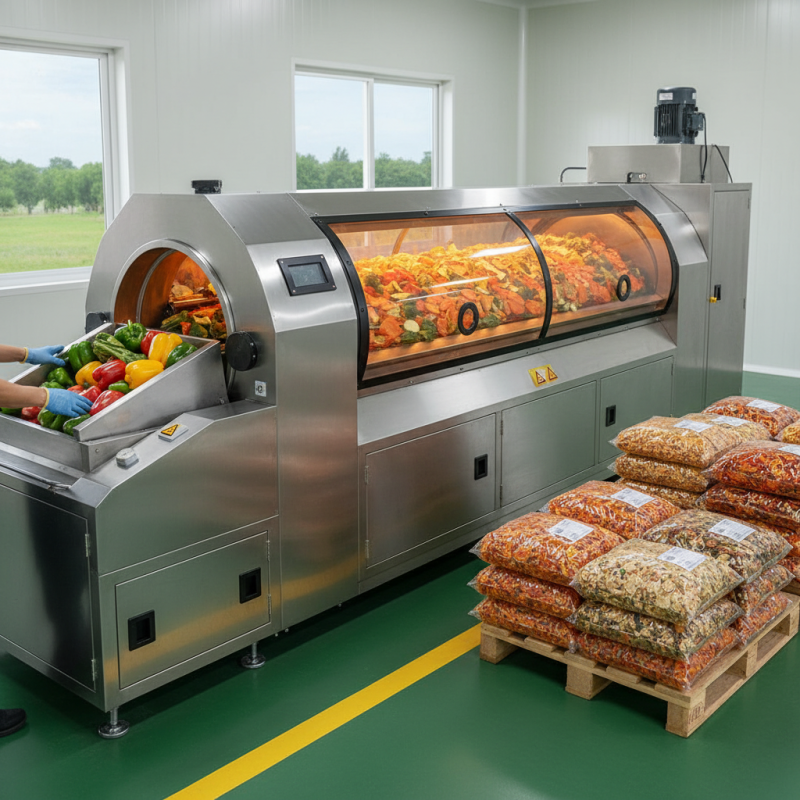
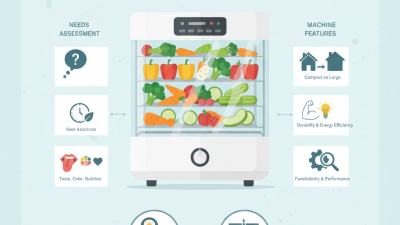
The vegetable dryer machine has become an essential tool for food preservation globally. With the increasing demand for dried vegetables, understanding its benefits is crucial for buyers. This technology enables efficient drying processes, preserving nutritional value while extending shelf life.
In many markets, fresh produce faces spoilage quickly. The vegetable dryer machine addresses this issue effectively, allowing for better inventory management. Buyers can reduce waste significantly and increase profitability by investing in reliable drying solutions.
Understanding the pros of the vegetable dryer machine is critical for global buyers. It’s more than just functionality; it’s about making informed choices. As industries evolve, those who embrace innovation, like vegetable drying technology, can stay competitive. These insights provide a foundation for making strategic purchasing decisions.
Key Benefits of Using Vegetable Dryer Machines in Food Processing
Vegetable dryer machines play a crucial role in food processing. They enhance product quality by reducing moisture content efficiently. According to industry reports, appropriately dried vegetables can retain up to 90% of their nutrients. This preservation technique allows for extended shelf life and reduces food wastage.
One significant advantage is the cost-effectiveness of using these machines. Efficient drying processes lead to lower energy consumption. Data shows that energy savings can reach up to 30% compared to traditional drying methods. In turn, producers can offer competitive pricing while maintaining quality. A study revealed that businesses using these machines saw profit increases of around 15%.
Tips: Regular maintenance of dryer machines is key. It ensures optimal performance and longevity. Monitoring moisture levels is also critical. This helps achieve the desired dryness without compromising quality. Remember, consistency in drying greatly affects the end product.
Improved Shelf Life of Dried Vegetables for Global Distribution
Dried vegetables are gaining popularity in global markets. They are lightweight and easy to transport. One significant benefit of vegetable dryer machines is their ability to extend the shelf life of dried produce. This is crucial for suppliers aiming to meet international standards.
Effective drying can remove moisture while preserving nutrients. A well-dried vegetable retains its color and flavor. This quality helps maintain consumer interest and increases sales. Dried vegetables can last for months or even years when packaged correctly. It is a game-changer in food distribution.
However, not all machines guarantee quality. Some may be inefficient or too complex. Producers must choose the right equipment to avoid losses. The drying process can vary based on vegetable types and conditions. Some experimentation might be necessary to find the perfect method. Keeping track of results will lead to continuous improvement.
Energy Efficiency and Cost Savings in Vegetable Drying Processes
Energy efficiency is a crucial factor in vegetable drying processes. Drying vegetables significantly reduces their moisture content, which extends shelf life. According to industry reports, energy-efficient vegetable dryer machines can reduce energy consumption by up to 30% compared to traditional methods. This is a significant saving for global buyers looking to optimize their operations.
Cost savings also play a vital role in the choice of drying technology. The initial investment in a high-efficiency dryer may seem high, but the long-term savings on energy bills often offset this. For example, a report from the Food and Agriculture Organization indicates that energy-efficient dryers can reduce operational costs by nearly 20% annually. However, many buyers underestimate the importance of maintenance in achieving these savings. Proper upkeep can prevent inefficiencies that may negate the benefits.
Moreover, as the demand for dehydrated vegetables grows, producers face increasing pressure to improve sustainability. An energy-efficient drying process helps in reducing the carbon footprint. This is an area that requires ongoing reflection and adaptation by buyers. Failure to prioritize energy efficiency can lead to higher costs and environmental impacts, which may adversely affect market competitiveness.
Enhanced Quality and Flavor Retention of Dried Vegetables
Dried vegetables are gaining popularity among consumers and chefs alike. Enhanced quality and flavor retention are key benefits of using vegetable dryer machines. These machines effectively eliminate moisture, which often leads to the loss of taste and nutrients. When vegetables are dried properly, their natural flavors intensify. This creates a rich experience for anyone who enjoys cooking or snacking.
Moreover, the process preserves the vibrant colors of vegetables. A well-dried carrot or bell pepper retains its visual appeal. This aesthetic quality can significantly enhance presentation in dishes. Consumers notice these details. Yet, some may overlook the importance of selecting the right drying technique. Improper drying methods can lead to loss of nutrients.
Additionally, with enhanced flavors and quality, dried vegetables offer versatility in cooking. They can easily be rehydrated or used in various recipes. This adaptability makes them a favorite among culinary professionals. Consumers should explore the various drying techniques, understanding that inadequacies in equipment can lead to subpar results. Reflecting on these elements helps buyers appreciate the importance of quality in dried vegetables.
Versatility of Vegetable Dryer Machines for Different Types of Produce
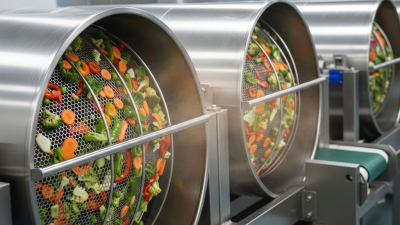
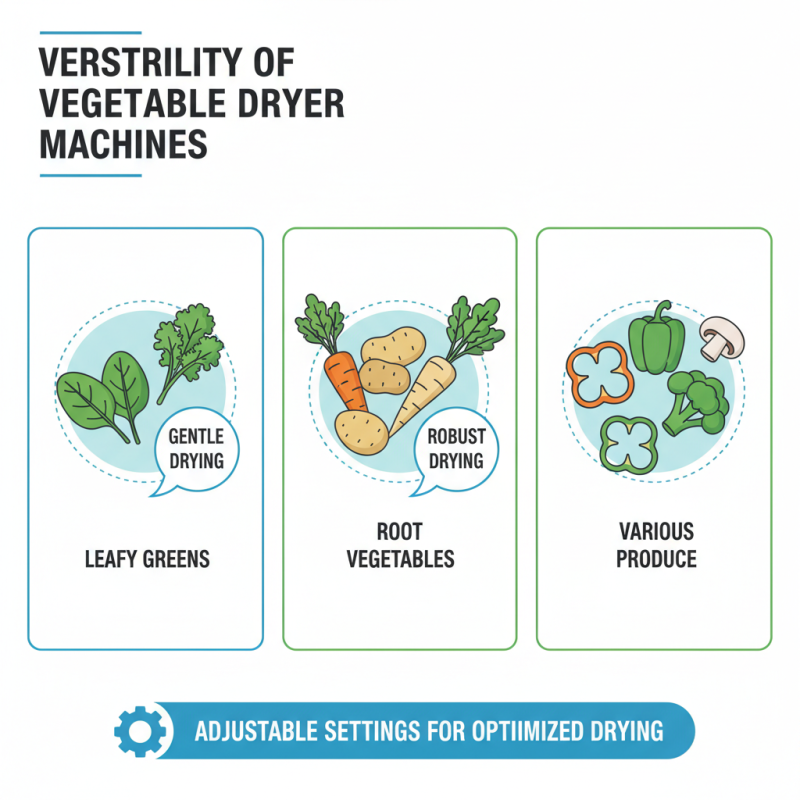
Vegetable dryer machines offer remarkable versatility for various types of produce. These machines are designed to process everything from leafy greens to root vegetables. Their adjustable settings cater to the specific moisture levels required for different produce. For instance, leafy greens need gentler drying conditions compared to thicker-skinned vegetables. This capability allows users to optimize drying processes efficiently.
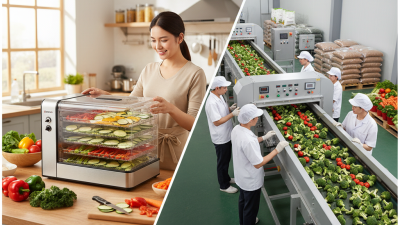
Buyers benefit from this adaptability. The machines often include multiple trays to accommodate different varieties simultaneously. This feature saves time and energy. Some machines even have predetermined settings for specific vegetables, which simplifies the operation. However, users must be aware of the need for proper maintenance. Neglecting regular cleaning can impact efficiency and flavor. Even though the machines are user-friendly, understanding their limitations is crucial.
Incorporating vegetable dryers into food preservation practices can have lasting positive effects. Dried vegetables retain essential nutrients and are easy to store. This is especially beneficial for areas with limited access to fresh produce. However, it's important to monitor the drying process closely. Over drying can lead to a loss of quality and taste. Balancing efficiency with attention to detail ensures the best results.