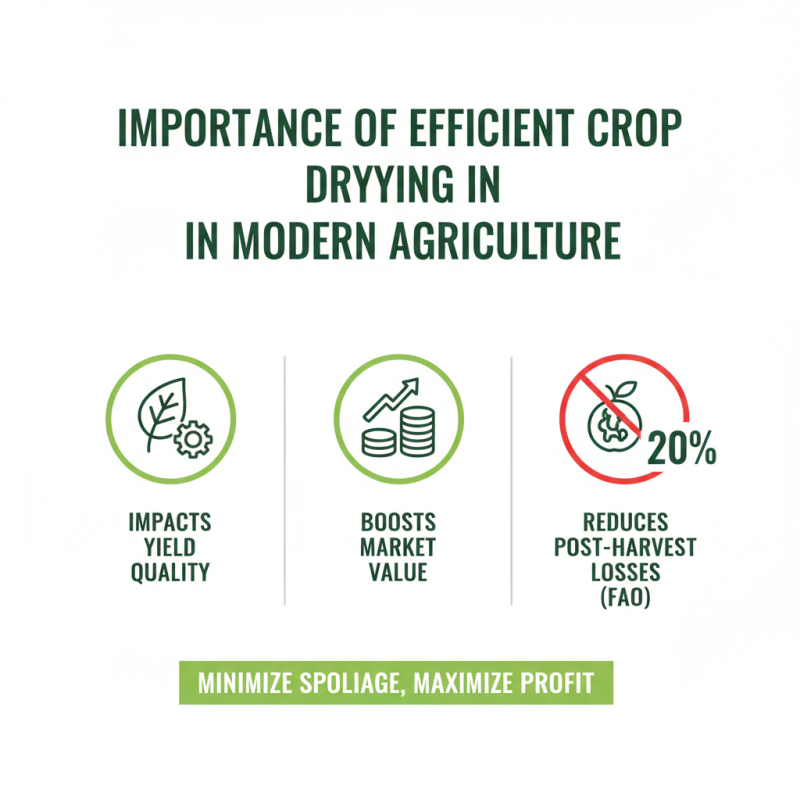
Best Crop Dryer Solutions for Efficient Agricultural Drying?
In the ever-evolving landscape of agriculture, efficient drying of crops remains a critical challenge. The global crop dryer market is projected to grow significantly, with reports from AgriTech Insights estimating a CAGR of 7.5% from 2023 to 2028. This emphasizes the necessity for modern solutions in agricultural drying. Experts highlight that optimizing drying processes can lead to enhanced crop quality and reduced waste.
Dr. Emily Carter, an industry leader in agricultural engineering, stated, “Investing in advanced crop dryer technology is pivotal for sustainable farming.” Her insight underscores the importance of innovative methods to preserve the quality of harvested grains. Crop dryers play a key role in minimizing moisture levels, thus preventing spoilage and ensuring longer shelf life.
However, the reliance on traditional methods may not suffice in today's competitive market. Farmers must adopt new technologies that cater to their specific needs. The choice of crop dryer can significantly impact overall yield and profitability. While traditional practices have their merits, they often lack efficiency. A reconsideration of these methods may be essential for future agricultural success.
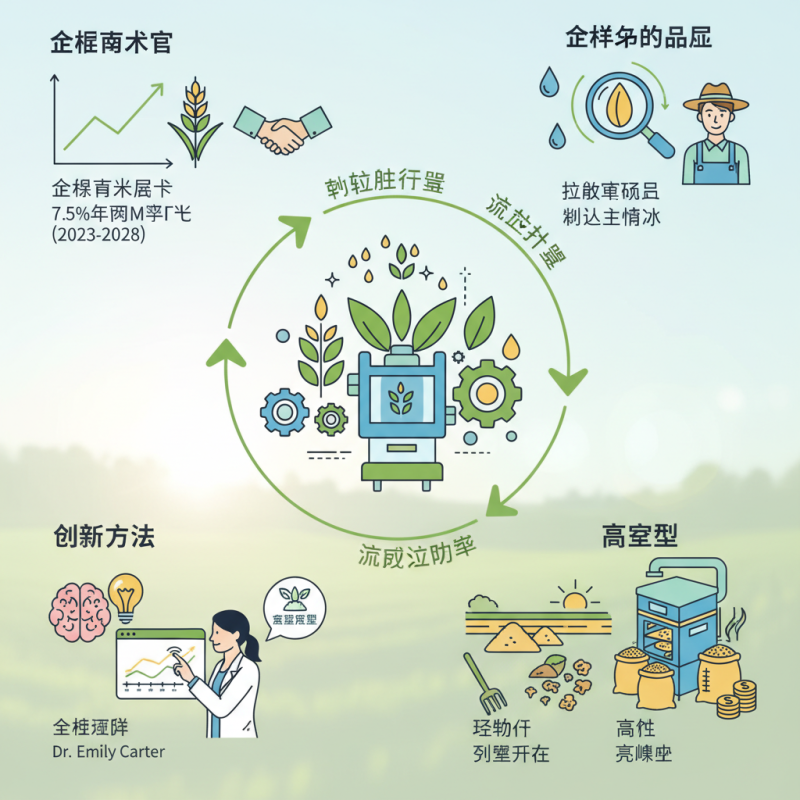
Overview of Agricultural Drying Techniques and Technologies
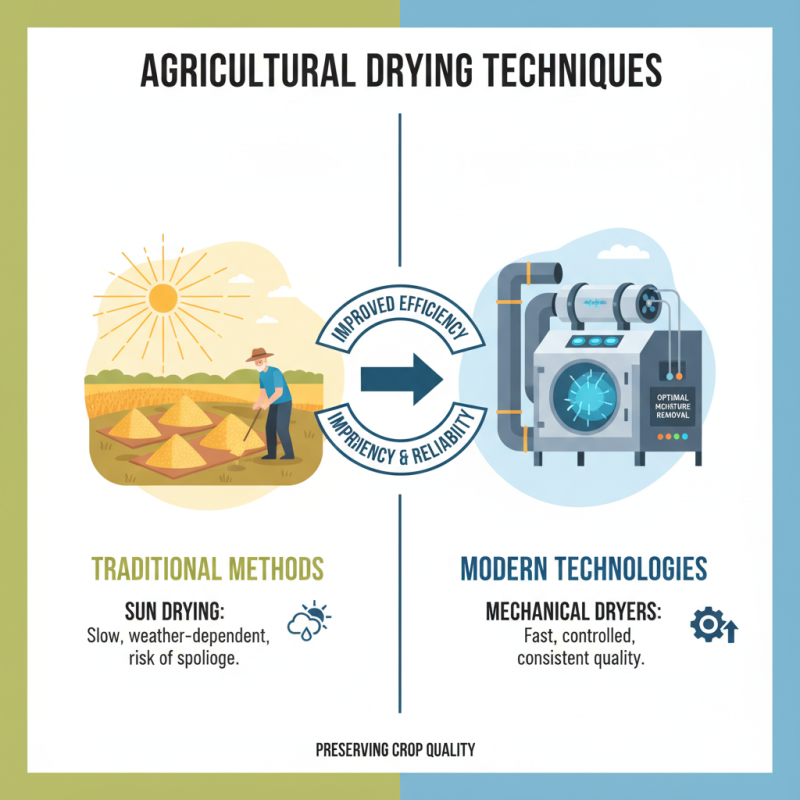
Agricultural drying techniques play a crucial role in preserving crop quality and preventing spoilage. Traditional sun-drying methods are time-consuming and dependent on weather conditions. This makes them less reliable in many regions. On the other hand, modern drying technologies offer more controlled environments for effective moisture removal.
Heat-based systems, like forced air dryers, deliver consistent results. They use heat to evaporate moisture quickly. However, the energy costs can be high, and this demands careful consideration. Some farmers find that the initial investment in such equipment can feel overwhelming. By contrast, low-tech options, such as solar dryers, are eco-friendly but require sunny conditions. Farmers must balance efficiency with practicality based on local climate factors.
Furthermore, monitoring moisture content is essential during the drying process. Over-drying can lead to loss of quality. Understanding the specific moisture requirements of different crops ensures better outcomes. Even with advanced technology, farmers must stay engaged with their drying practices. This continuous assessment can lead to optimizations that enhance both crop quality and drying efficiency.
Types of Crop Dryers: Mechanical, Solar, and Hybrid Solutions
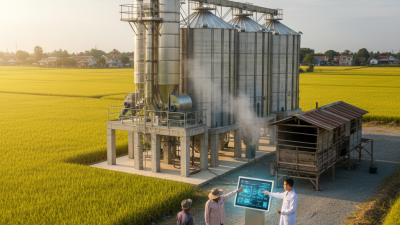
When it comes to crop drying, farmers have various methods at their disposal. Understanding the types of dryers is crucial. Mechanical dryers are popular for their efficiency and speed. They use heated air to quickly remove moisture from crops. These systems can be costly but offer quick turnaround times.
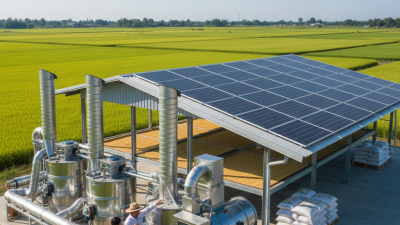
Solar dryers utilize renewable energy. They depend on sunlight to dry crops in a natural way. This method has minimal operating costs and is eco-friendly. However, it requires sunny weather and longer drying times. Farmers need to consider their specific climate conditions before choosing this option.
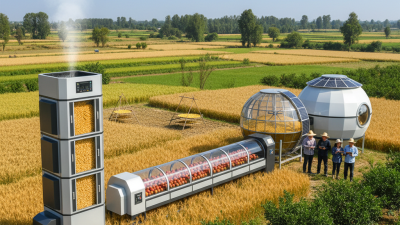
Hybrid solutions combine both mechanical and solar drying methods. This approach can adapt to changing weather patterns. It increases efficiency and reduces energy costs. However, implementation can be complex. Make sure to evaluate your crop types when selecting a dryer.
Tips: Always monitor the moisture levels during the drying process. It helps prevent over-drying. Consider the scale of your operation to choose the right dryer type. Investing in a dryer with adjustable settings can provide flexibility as well.
Best Crop Dryer Solutions for Efficient Agricultural Drying
| Type of Dryer |
Energy Source |
Efficiency (%) |
Initial Cost ($) |
Maintenance Cost/Year ($) |
| Mechanical Dryer |
Fossil Fuels |
85 |
10,000 |
1,000 |
| Solar Dryer |
Solar Energy |
70 |
3,000 |
200 |
| Hybrid Dryer |
Solar & Fossil Fuels |
90 |
15,000 |
800 |
| Tray Dryer |
Electricity |
80 |
5,000 |
300 |
| Rotary Dryer |
Natural Gas |
88 |
12,000 |
900 |
Factors to Consider When Choosing a Crop Dryer
When selecting a crop dryer, there are several key factors to consider. The moisture content of the crops plays a significant role. Different grains and vegetables require specific moisture levels for optimal storage. You need to know the ideal moisture range to avoid spoilage. Energy efficiency is also crucial. Drying can be energy-intensive, so choose a dryer that minimizes fuel and electricity use.
Tips: Regular maintenance can prevent breakdowns and improve efficiency. Always check filters and exhaust systems. Temperature control is another factor. Overheating can damage crops. A reliable thermostat helps maintain safe levels.
The size of the dryer must match your production scale. A dryer that is too small can lead to bottlenecks during harvest. Conversely, an oversized unit may waste resources. Take time to analyze your drying needs. The humidity in your environment is another consideration. High humidity slows down the drying process. If you live in a humid area, you may need a more robust system.
Tips: Monitor local weather patterns to optimize drying schedules. Consider investing in advanced moisture sensors for accuracy in drying. Continually reassess your drying process, as crops and conditions may change yearly.
Best Crop Dryer Solutions for Efficient Agricultural Drying
This bar chart illustrates the efficiency percentages of various crop dryer solutions, helping stakeholders make informed decisions when selecting the most suitable drying method for agricultural purposes.
Best Practices for Optimizing Crop Drying Efficiency
Optimizing crop drying efficiency is essential for farmers aiming to reduce losses and enhance product quality. One effective method is to ensure uniform airflow in drying systems. This means positioning your crops in a way that allows air to circulate freely. Uneven air distribution can lead to spoiled batches, highlighting the need for careful planning in drying setups.
Another key practice involves monitoring temperature and humidity levels during the drying process. Using tools that provide real-time data can help you adjust conditions promptly. However, many farmers overlook this step. Without proper monitoring, you may inadvertently dry crops too quickly, affecting their texture and flavor. Regular checks can prevent this issue and improve overall results.
Employing different drying methods based on crop type can also enhance efficiency. For instance, some crops may benefit from solar drying while others do better with mechanical systems. It requires trial and error to find the best fit for your operations. This approach may seem labor-intensive, but it often leads to superior quality and reduced waste. Taking time to assess various techniques will lead to more informed decisions in the long run.