In the landscape of modern agriculture, the importance of efficient crop drying cannot be overstated. Crop dryers are essential tools that significantly enhance the quality and shelf life of harvested produce. According to industry reports, nearly 30% of post-harvest losses are attributed to improper drying techniques. Innovations in crop dryer technology can lead to substantial reductions in these losses.
Recent advancements focus on energy efficiency and automation. Smart crop dryers equipped with sensors adjust drying conditions in real-time, minimizing energy consumption. Data shows that these innovations can reduce drying time by up to 40%. This is crucial as time-sensitive crops like grains and fruits require precise handling to maintain their market value.
However, the sector faces challenges. Although technology is advancing, many farmers still lack access to modern drying solutions. Research indicates that over 60% of smallholder farmers rely on traditional drying methods, exposing them to increased risks of spoilage. Bridging this technology gap is essential for sustainable agricultural growth and improving food security. Continued efforts in innovation and education are vital to ensure that all farmers can benefit from efficient crop dryer solutions.
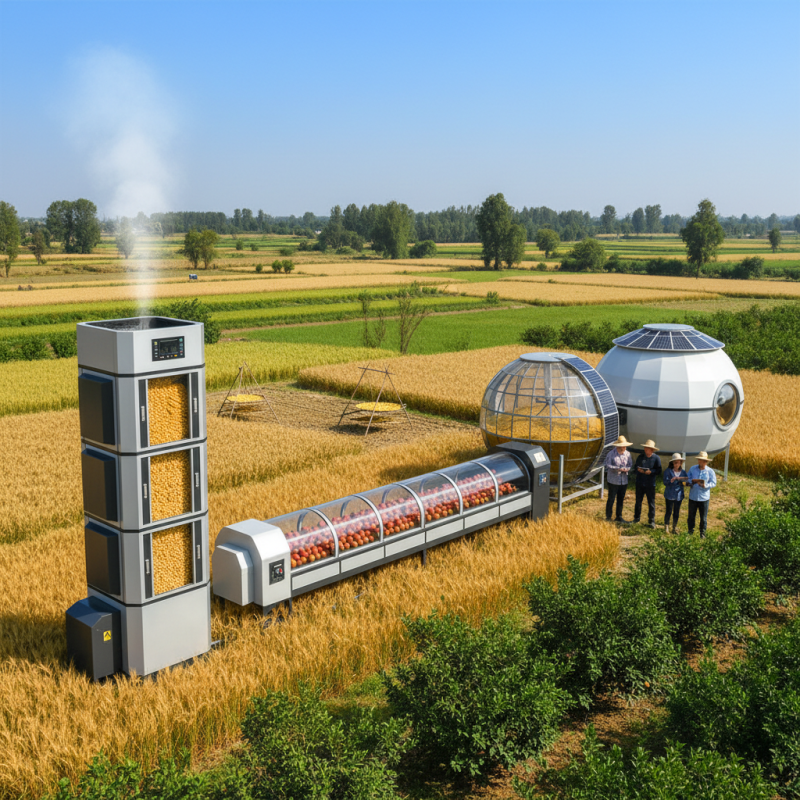
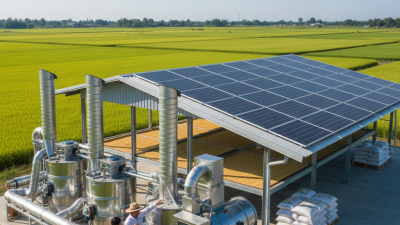
Innovative crop dryer technologies are transforming Chinese agriculture. These advancements help farmers reduce moisture content in their harvests. This crucial process prevents spoilage and enhances storage life. Many farmers are now adopting solar-powered dryers, utilizing renewable energy efficiently and making them cost-effective alternatives.
In addition, automated crop drying systems are gaining popularity. They ensure optimal drying conditions through precise temperature and humidity control. This reduces the risk of human error, which can lead to inconsistent results. Farmers appreciate the reliability these systems offer. However, some farmers struggle with the initial setup costs. Balancing investment and long-term benefits can be challenging.
Despite these innovations, some areas still lag behind in adopting new technologies. Education and training are essential for helping farmers understand these systems. Many still rely on traditional methods, which may not be as effective. Transitioning to modern techniques requires a shift in mindset. Farmers must recognize the value of efficiency and sustainability. The journey ahead involves embracing change while preserving valuable knowledge from the past.
Crop drying is essential for preserving quality and enhancing market value. The latest innovations in crop dryers focus on efficiency and sustainability. A key feature is energy efficiency. Many modern dryers consume less energy while providing faster drying times. This helps farmers save on operational costs and reduce their environmental impact.
Some dryers use solar energy. This renewable source can significantly lower electricity dependency. However, solar energy availability is not consistent. Farmers must consider weather fluctuations when planning usage. Another notable feature is the ability to control temperature and humidity. Precise settings can prevent spoilage and maintain the integrity of the crops.
Additionally, user-friendly designs are becoming common. Farmers can easily operate these machines, even with limited technical knowledge. However, ongoing maintenance is crucial. A lack of proper care can lead to inefficiency and increased costs. Evaluating these aspects is vital for achieving the best results in crop drying and ensuring sustainability in farming practices.
Innovations in crop drying technology are reshaping farming practices. Efficient dryers help preserve crop quality. They reduce moisture content effectively, which is crucial for storage. This helps farmers to avoid spoilage and maintain market value. Continued reliance on outdated methods could lead to significant losses.
Higher yields are linked to effective drying solutions. With improved techniques, farmers can gather more produce in less time. This increase affects local economies by boosting availability. However, transitioning to new systems may pose challenges. Some farmers are hesitant to adopt innovations due to costs or lack of training. A balance between traditional practices and modern techniques is necessary for full benefits.
The impact of these innovations extends beyond quantity. Quality plays a vital role in market acceptance. Crops dried with modern methods often retain more nutrients and flavor. This can change consumer preferences and increase demand. Despite these advantages, awareness and education are needed to embrace such changes fully. Farming communities must share successes and address obstacles together.
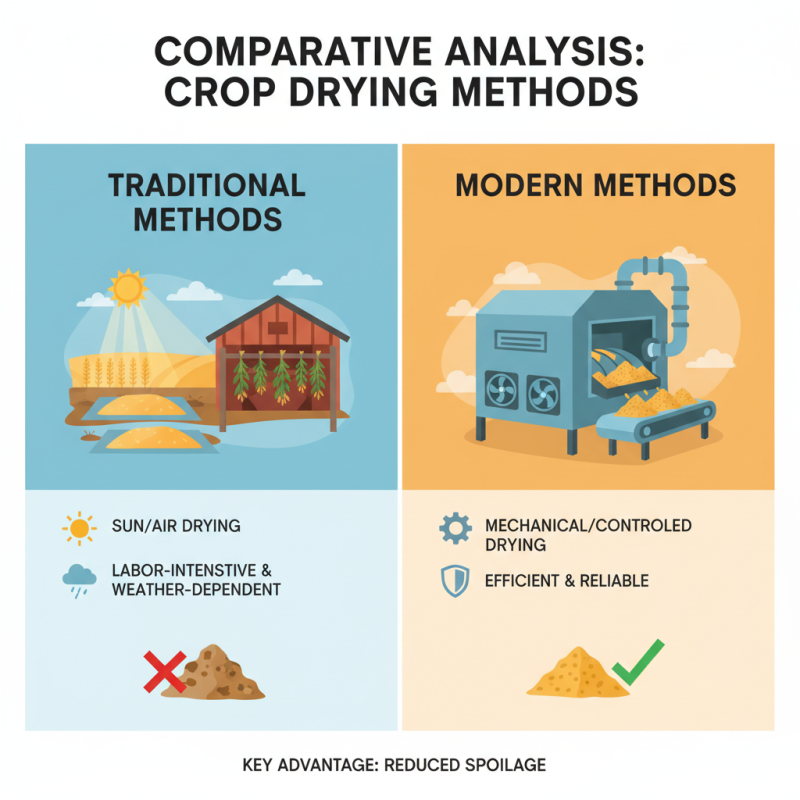
In the realm of agriculture, crop drying is essential. Traditional methods include sun drying and air drying. These processes are labor-intensive and weather-dependent. Farmers often face delays. When rain hits or humidity rises, crops may spoil. This is a major concern in many regions.
Modern techniques have introduced innovations like solar dryers and mechanized systems. These are quicker and more reliable. They reduce the moisture content effectively. However, they require initial investment and technical knowledge. Some farmers hesitate to make the switch, fearing complexity and costs.
Tips: Consider starting small. Experiment with a modern method on a part of your harvest. Monitor results closely. This approach allows for a smoother transition. Don't hesitate to seek help from local experts. Community knowledge can bridge the gap between methods. Embracing innovation may seem daunting but can ultimately lead to better yields.
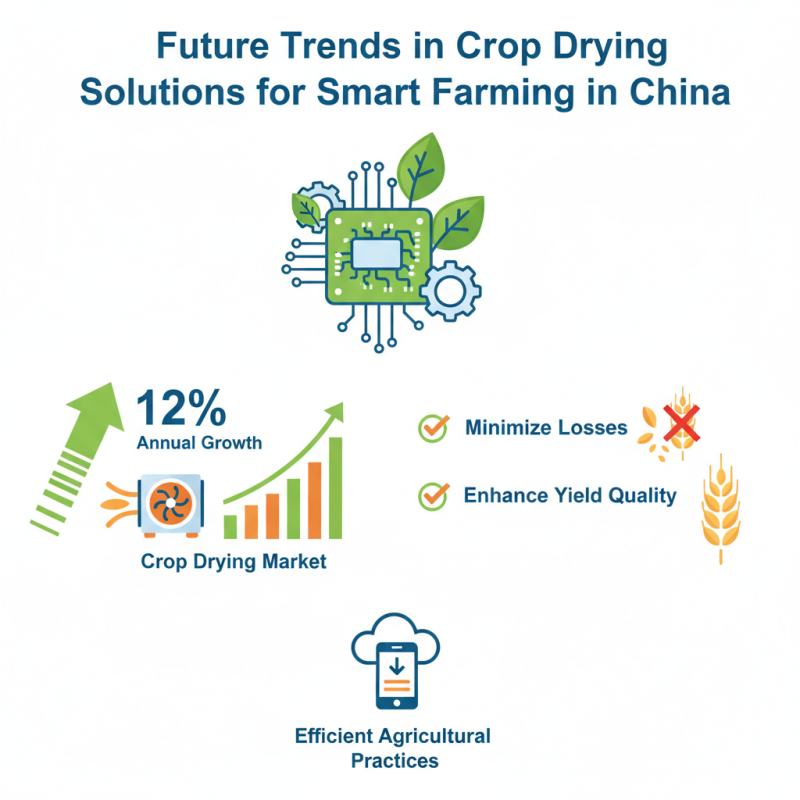
As smart farming continues to evolve in China, crop drying solutions are becoming increasingly important. According to the latest industry report, the crop drying market is projected to grow by 12% annually. This growth reflects the rising need for efficient agriculture practices. Efficient crop drying minimizes losses and enhances the quality of yields.
Recent innovations include solar-powered dryers that utilize renewable energy. These systems can reduce energy costs and lower the carbon footprint. However, farmers face challenges in implementing these technologies. Many lack access to adequate training in the use of modern equipment. Additionally, initial installation costs can be prohibitive for small-scale farmers.
Emerging trends also highlight the use of IoT technology in drying processes. Moisture sensors can provide real-time data, allowing farmers to monitor conditions closely. This information can lead to precise adjustments, improving overall efficiency. Yet, not all farmers are equipped with the necessary technology. The digital divide remains a significant barrier in rural areas. Addressing these issues will be essential for the future of smart farming in China.