Why Choose a Heat Pump Heater for Your Home Comfort?
In the quest for home comfort, choosing the right heating system is essential. "Heat Pump Heater" technology has been gaining traction among homeowners. According to Dr. Emily Johnson, an expert in renewable energy systems, “Heat Pump Heaters not only optimize energy use but also improve indoor air quality.”
These systems are efficient. They use ambient air for heating, significantly reducing energy consumption. Homeowners can enjoy a stable environment while lowering energy bills. However, the initial cost can be a hurdle. It may take time to see the return on investment. Reflecting on long-term benefits is crucial.
Reliability is a key factor in selecting a heating system. Heat Pump Heaters have proven their effectiveness across various climates. Recent studies show they provide consistent heating regardless of outdoor temperatures. This reliability may soothe homeowner concerns about performance. However, proper installation and maintenance remain vital to ensuring optimal function.
Benefits of Heat Pump Heaters for Home Comfort
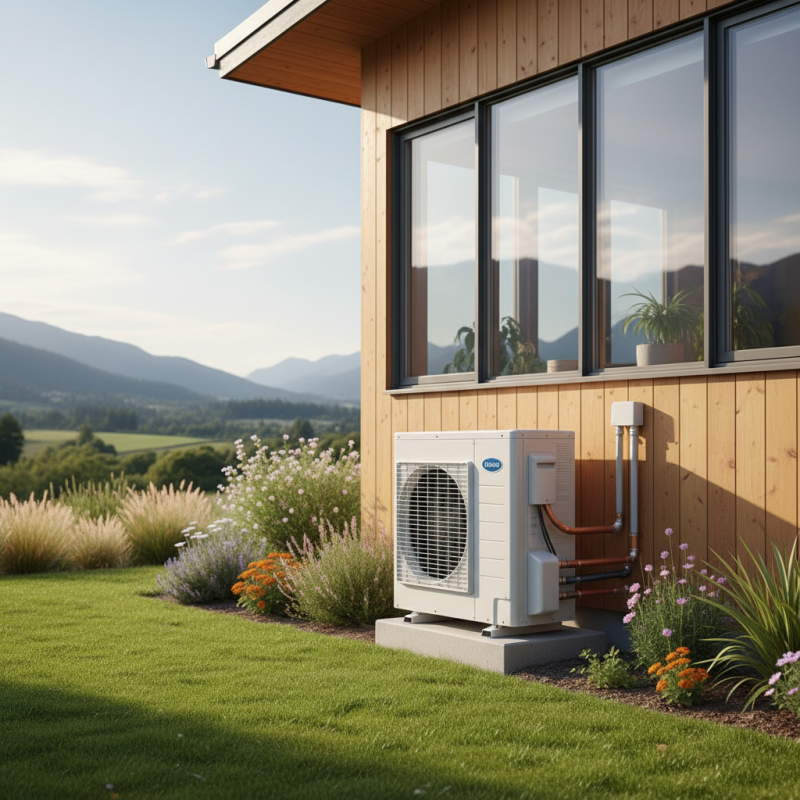
Heat pump heaters are gaining popularity for home comfort. They can effectively heat and cool spaces by transferring heat rather than generating it. This process can result in significant energy savings and lower utility bills.
One notable benefit of heat pump heaters is their efficiency. They can provide more heating or cooling than the energy they consume. By utilizing renewable energy from the environment, these systems minimize carbon footprints. Homeowners often enjoy a more stable temperature, which adds to overall comfort. However, effectiveness may vary in extreme cold climates. Regular maintenance is crucial for optimal performance.
Another advantage is their versatility. Heat pumps can be used in various systems, including ducted and ductless setups. This flexibility makes it easier to adapt to existing home designs. Homeowners should consider potential upfront costs and long-term savings. Evaluatinglocal climate conditions is also essential when choosing the right system. Overall, heat pump heaters present exciting possibilities for efficient home comfort.
Why Choose a Heat Pump Heater for Your Home Comfort? - Benefits of Heat Pump Heaters for Home Comfort
| Benefit |
Description |
Energy Efficiency |
Environmental Impact |
| Versatility |
Heat pumps can provide both heating and cooling, offering year-round comfort. |
High (up to 300% efficiency) |
Lower carbon footprint compared to traditional heating systems. |
| Cost-Effectiveness |
Lower utility bills due to increased efficiency and consistent performance. |
Savings of up to 50% compared to electric resistance heating. |
Helping to reduce energy consumption. |
| Low Maintenance |
Heat pumps require less maintenance than traditional heating systems. |
Reduced need for repairs and replacements. |
Minimized resource use over the system's lifespan. |
| Safety |
Heat pumps do not burn fuel, reducing the risk of carbon monoxide poisoning. |
Safer alternative to gas heating systems. |
Lower emissions lead to cleaner air quality. |
| Increased Property Value |
Homes equipped with heat pumps can have higher resale values. |
Attractive to energy-conscious buyers. |
Promotes sustainable living. |
How Heat Pump Heaters Work to Regulate Temperature
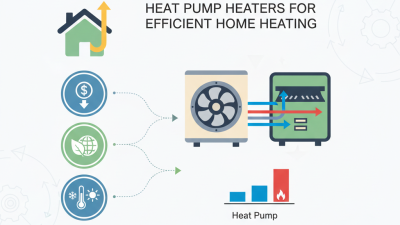
Heat pump heaters are gaining popularity for home comfort. They effectively regulate temperature by transferring heat from one place to another. In winter, they extract heat from the outside air, even in cold conditions, and release it indoors. In summer, the process reverses, cooling your home by pulling heat out. This dual functionality makes heat pumps an efficient choice for year-round comfort.
According to the U.S. Department of Energy, heat pumps can reduce energy costs by 50% compared to traditional heating systems. They operate with a high coefficient of performance (COP), often exceeding 3.0. This means for each unit of energy consumed, they deliver three or more units of heating or cooling. However, it’s essential that they are properly sized and installed to optimize performance.
Tips: Regular maintenance is crucial. Dirty filters and coils can hinder efficiency. Consider a programmable thermostat to enhance your system’s control and efficiency. Even a small adjustment can yield significant savings. Be mindful that while heat pumps are versatile, extreme temperatures can affect their performance. Always evaluate your specific climate needs before deciding.
Energy Efficiency of Heat Pump Heaters vs. Traditional Heating Systems
This chart illustrates the energy efficiency ratings (measured in COP - Coefficient of Performance) of heat pump heaters in comparison to traditional heating systems. A higher COP indicates better energy efficiency.
Energy Efficiency and Cost Savings with Heat Pump Systems
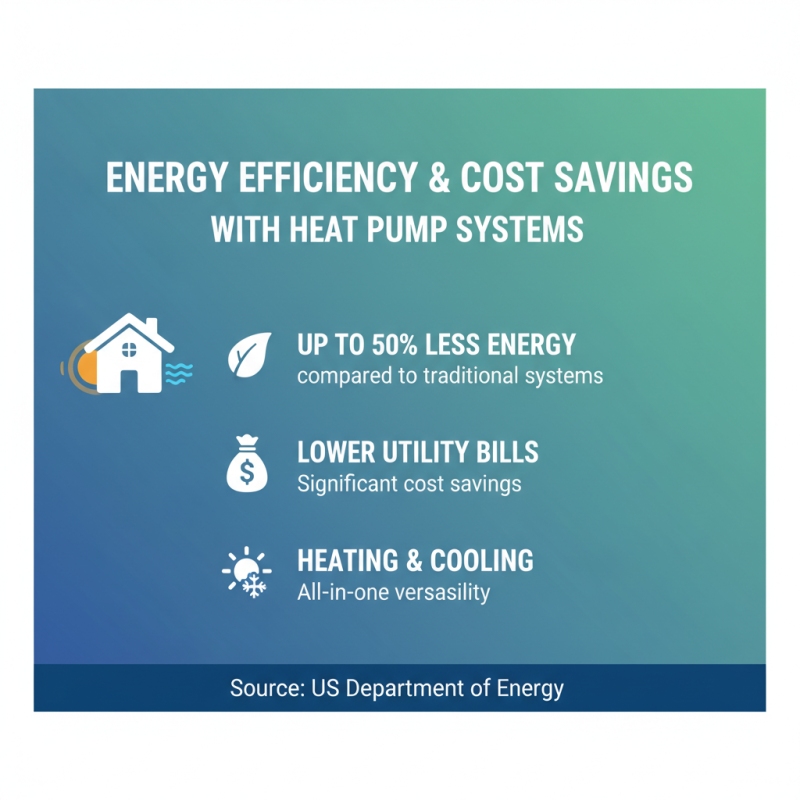
Heat pump systems are gaining popularity for their energy efficiency and potential cost savings. These devices can provide both heating and cooling solutions, making them versatile. According to the U.S. Department of Energy, heat pumps can reduce energy consumption by up to 50% compared to traditional heating systems. This significant efficiency can translate into lower utility bills, which is a major factor for homeowners looking to save money.
However, not all homes may be ideal for heat pumps. The installation process can be complex. Older properties may need updates to insulation and ductwork. This upfront cost can be a barrier, but it’s essential to consider long-term savings. Over a 15-year lifespan, a heat pump system can offer substantial savings. According to a recent report, homeowners may save over $1,000 annually when upgrading from conventional heating systems.
It’s important to weigh the overall benefits. Despite their efficiency, heat pumps perform best in moderate climates. In extremely cold temperatures, their efficiency can drop. This limitation can lead to higher reliance on backup heating sources. Therefore, evaluating local climate conditions and home insulation is critical before making a decision. The balance between potential savings and initial investments requires careful consideration.
Comparing Heat Pump Heaters to Traditional Heating Solutions
Heat pump heaters have become increasingly popular in home heating. They offer a distinctive approach compared to traditional systems like furnaces or boilers. Unlike typical heaters that burn fuel, heat pumps transfer heat. They draw warmth from the outside, even in cold weather. This process makes them more efficient and environmentally friendly.
Traditional heating solutions often rely on combustion, which can produce harmful emissions. They tend to have higher operational costs as fuel prices fluctuate. Heat pump heaters, on the other hand, often use electricity, which can be generated from renewable sources. This lower operational cost can lead to significant savings over time. However, heat pumps may not perform optimally in extremely cold climates, prompting some homeowners to reflect on their viability in their specific situation.
Another consideration is the installation process. Heat pump systems typically require professional installation, which can be more complex than traditional heaters. Homeowners may face challenges with the upfront investment and space requirements. Additionally, while heat pumps provide cooling in the summer, not all models heat effectively in winter. This can leave some homeowners questioning whether a heat pump is the best fit for their needs.
Installation and Maintenance Considerations for Heat Pumps
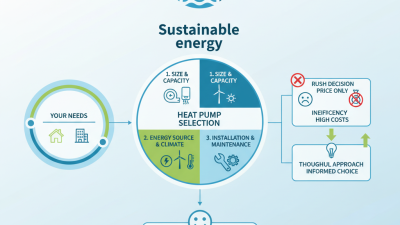
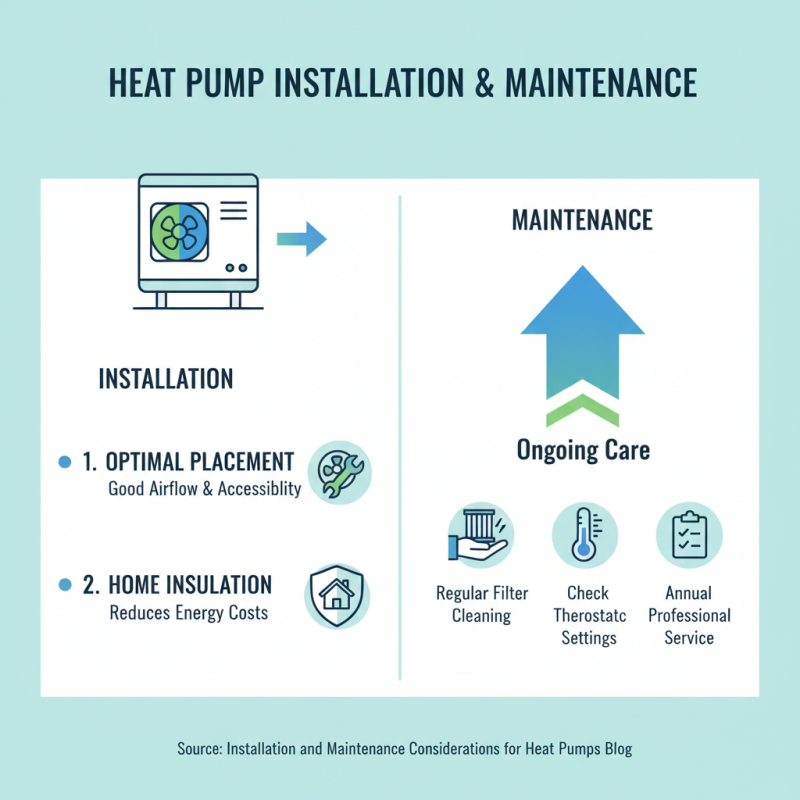
When considering heat pump heaters, installation is a key factor. Proper placement can significantly impact efficiency. Choose a location that provides optimal airflow and accessible maintenance. Additionally, ensure your home is well-insulated. This helps the heat pump work effectively, reducing energy costs over time.
Regular maintenance is essential. Dirty filters can hinder performance and increase energy bills. Schedule routine check-ups yearly to keep the system efficient. Inspect the ductwork for leaks to avoid energy loss. Be proactive; neglecting maintenance can lead to costly repairs. Problems may arise unexpectedly, so stay vigilant.
While heat pumps are efficient, they are not without challenges. Selections may vary in performance based on climate. Understanding your environment is crucial. Additionally, noise levels might be a concern for some homeowners. Evaluate your home’s specific needs to ensure a good fit.