Why Choose an Air Conditioner Inverter for Your Home Comfort?
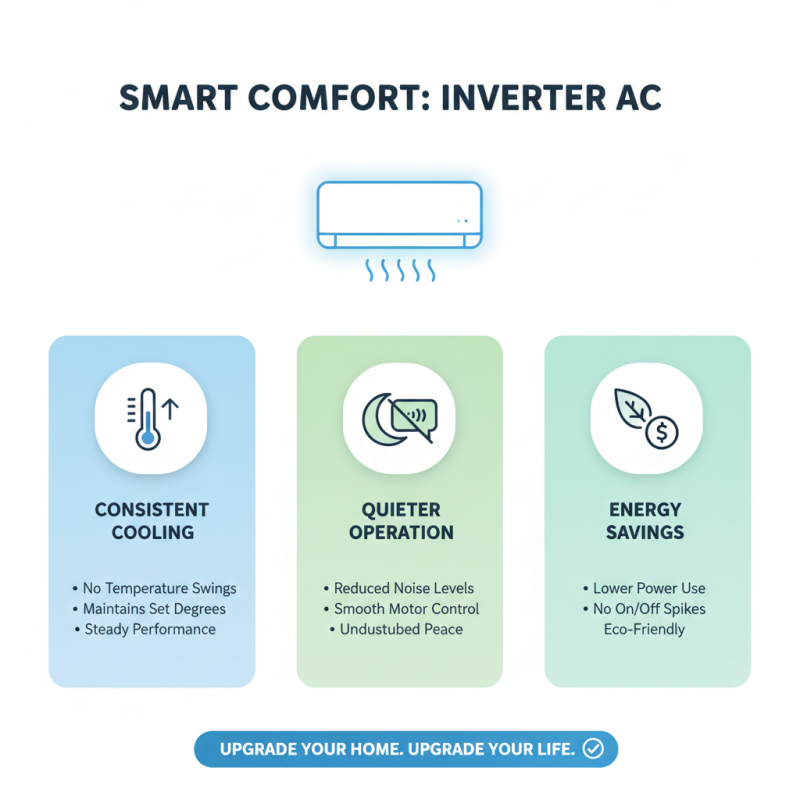
When considering home comfort, the choice of an Air Conditioner Inverter can make a significant difference. Unlike traditional air conditioners, inverter models operate more efficiently. They adjust their speed based on the temperature required, which helps maintain a consistent climate. This means less energy consumption and lower utility bills.
Air Conditioner Inverter technology often leads to quieter operation. The noise level is subtle, making your living space more enjoyable. However, not all models are created equal. Some might not perform well in extreme temperatures or high humidity. This is an aspect worth investigating before making a purchase. It’s crucial to read reviews and understand the specifications.
Investing in an Air Conditioner Inverter can be a game-changer for your home. It provides comfort, saves energy, and enhances air quality. Yet, potential buyers should weigh their options carefully. Each home is unique, and what works for one may not work for another. Make an informed decision based on your specific needs and conditions.
Understanding Air Conditioner Inverters: How They Work
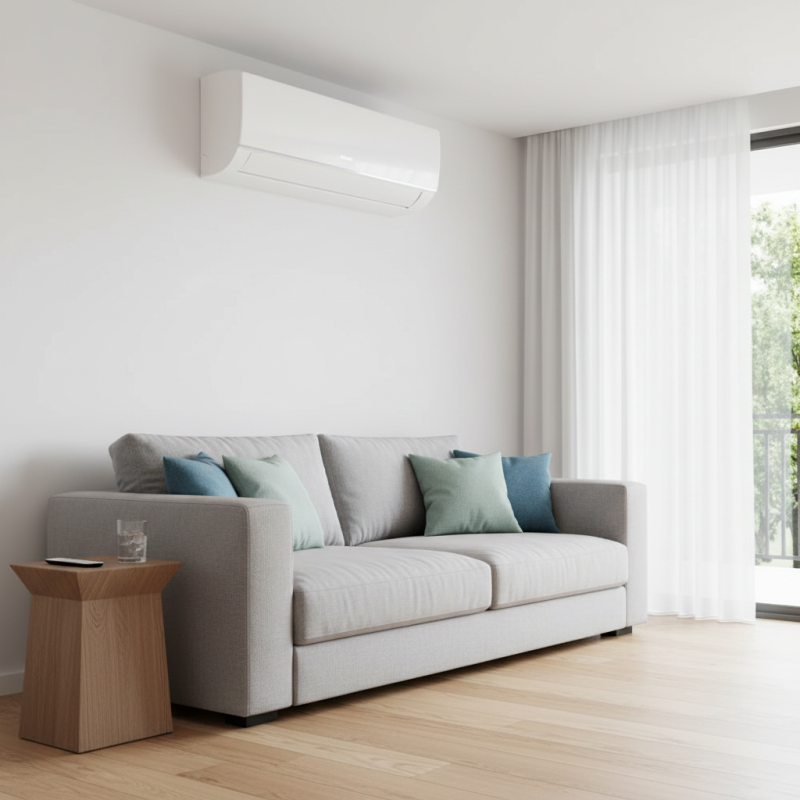
Air conditioner inverters are becoming popular for their efficiency. These systems adjust their cooling output based on real-time needs. Unlike traditional units, inverters modulate speed rather than turning on and off. This results in less energy waste.
How do they work? Inverter air conditioners use a variable speed compressor. This compressor can slow down or speed up as required. When the room reaches the desired temperature, the compressor doesn't stop. It runs at a lower speed to maintain comfort. This constant operation saves energy and reduces noise levels.
The benefits are clear. However, the initial cost can be higher. Some might find the technology complex. Occasionally, maintenance can be tricky. Still, the long-term savings and comfort often outweigh these difficulties. Making a choice is not always easy, but understanding inverters helps.
Benefits of Using an Inverter Air Conditioner for Home Comfort
Investing in an inverter air conditioner can significantly enhance your home comfort. Unlike traditional units, inverter ACs adjust their cooling output according to your needs. This feature ensures a consistent temperature without the constant on-and-off cycling. You can enjoy a quieter atmosphere as these units operate at lower noise levels.
Tips: Consider the size of your room when selecting an inverter AC. An oversized unit may cool too quickly and waste energy. Smaller spaces benefit from the efficiency of an inverter model.
Another advantage is energy savings. Inverter air conditioners consume less electricity than their non-inverter counterparts. Over time, you’ll notice a decrease in your electricity bills. This is not just cost-effective; it’s also an environmentally friendly choice.
However, be mindful of the initial investment. While inverter models tend to cost more upfront, the savings on energy bills can justify the price. Make sure to compare different models and read reviews for informed choices. The technology can offer significant comfort, but it's crucial to choose wisely.
Comparing Inverter and Non-Inverter Air Conditioners
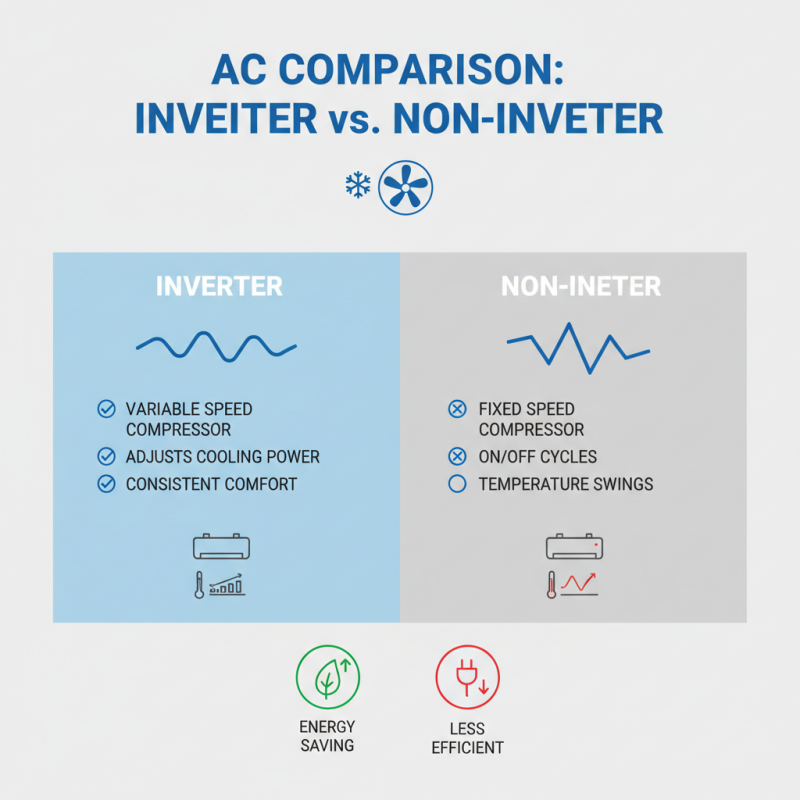
When choosing between inverter and non-inverter air conditioners, understanding the differences is key. Inverter air conditioners have a variable speed compressor. This means they adjust their cooling power based on indoor temperature. As a result, they provide consistent comfort throughout the day.
Non-inverter models run at a fixed speed. They turn on and off repeatedly, leading to temperature fluctuations. This can feel uncomfortable. Energy consumption is another factor. Inverter units typically use less energy and can lower your electricity bill over time. However, the initial investment for an inverter unit may be higher.
Inverter technology allows for quieter operation. You'll notice less noise in your living spaces. However, some users find that inverter models require more maintenance. This might lead to unexpected costs. Non-inverter systems may have lower upfront costs but could lead to higher energy bills. Choosing the right type requires careful consideration of your needs.
Energy Efficiency and Cost Savings with Inverter Technology
Inverter air conditioners offer notable energy efficiency, making them a smart choice for home comfort. According to the U.S. Department of Energy, inverter technology can reduce energy consumption by 30% to 50% compared to traditional models. This significant saving translates into lower utility bills. Homeowners can see reductions in energy costs of hundreds of dollars annually.
The technology behind inverters ensures that the compressor operates at varying speeds. This means they adjust power delivery based on current needs. Unlike non-inverter units, they do not switch on and off frequently. This continuous operation leads to a more stable temperature and less energy waste. Studies indicate that the initial investment in inverter units is recouped through energy savings within a few years.
Many homeowners hesitate to transition due to higher upfront costs. It's important to weigh these costs against long-term benefits. In some cases, homeowners may not realize the efficiency impact until faced with increased bills. Awareness and education about these energy-efficient systems can lead to better decision-making. Understanding the technology is crucial in maximizing home comfort while being budget-conscious.
Energy Efficiency and Cost Savings of Air Conditioner Inverters
In this chart, we illustrate the energy consumption (in kWh) of standard air conditioners compared to inverter air conditioners. The data shows that inverter ACs consume significantly less energy, leading to cost savings and improved energy efficiency, making them a preferred choice for home comfort.
Choosing the Right Inverter Air Conditioner for Your Home Needs
Choosing the right inverter air conditioner can greatly enhance your home comfort. For many, energy efficiency is a top priority. Inverter air conditioners adjust their cooling capacity based on the indoor temperature. This means they consume less energy. Lower utility bills can lead to significant savings over time.
When selecting an inverter unit, consider the size of your space. A unit too small may struggle to cool effectively. Conversely, a unit too large could lead to uncomfortable temperature swings. Assess your room’s layout and insulation. Think about features like noise levels and additional functions. Many models have sleep modes or timers.
Not all inverter air conditioners are created equal. Some may have higher SEER ratings, indicating better efficiency. Research product reviews, but remember: experiences can vary. This can lead to confusion over what to choose. Test the noise levels before buying. Personal comfort matters most. Reflect on your family's needs and preferences.
Why Choose an Air Conditioner Inverter for Your Home Comfort?
| Feature |
Benefits |
Considerations |
| Energy Efficiency |
Uses less electricity compared to traditional units, leading to lower energy bills. |
Initial cost may be higher, but savings on energy bills can offset this. |
| Consistent Temperature |
Maintains a stable indoor climate by adjusting the compressor speed. |
May require a more sophisticated installation process. |
| Quieter Operation |
Operates at lower noise levels due to variable speed operation. |
Quality and performance can vary across models. |
| Environmental Impact |
Lower greenhouse gas emissions due to decreased energy consumption. |
Not all inverter units are made with eco-friendly refrigerants. |
| Durability |
Typically have a longer lifespan due to less wear and tear on the compressor. |
Higher upfront investment may discourage some buyers. |