How to Choose and Install a Mini Split Heat Pump for Efficient Heating
When considering efficient heating solutions for your home, the Mini Split Heat Pump stands out as a versatile and energy-efficient option. Renowned expert in HVAC technology, Dr. Emily Thompson, emphasizes the importance of proper selection and installation, stating, "Choosing the right Mini Split Heat Pump can greatly enhance your home's comfort while reducing energy costs." As homeowners become more aware of their carbon footprint, the demand for eco-friendly heating solutions has surged, making the Mini Split Heat Pump an attractive choice.
In this guide, we will explore the key factors to consider when selecting and installing a Mini Split Heat Pump. From understanding the specific heating needs of your space to ensuring optimal placement for efficiency, each step is crucial in maximizing performance. With a variety of models available, it’s essential to navigate the options carefully to find the best fit for your home. By investing time in choosing the right system and following proper installation protocols, you can enjoy a cozy living space all winter long while also contributing to energy conservation efforts.

Choosing the Right Size Mini Split Heat Pump for Your Space
When selecting a mini split heat pump, one of the most critical factors to consider is the size of the unit. A properly sized heat pump ensures that your space is heated efficiently without wasting energy. To determine the right size, it's essential to calculate the heating load, which takes into account various elements such as the square footage of the area, insulation levels, the number of windows, and the ceiling height. Generally, manufacturers provide BTU (British Thermal Unit) requirements based on these factors, making it easier to choose a unit that will provide adequate heat.
Once you have calculated the required BTUs, you can explore different models that match your specifications. Keep in mind that choosing a unit that is too small may result in insufficient heating, while an oversized unit can lead to short cycling, reduced efficiency, and increased wear and tear. Additionally, considering the layout of your space is vital; for example, open floor plans may need units with higher capacities or multiple indoor units for even heating. By carefully assessing the size and needs of your space, you can select a mini split heat pump that operates efficiently and provides optimal comfort.
Understanding SEER Ratings for Optimal Energy Efficiency
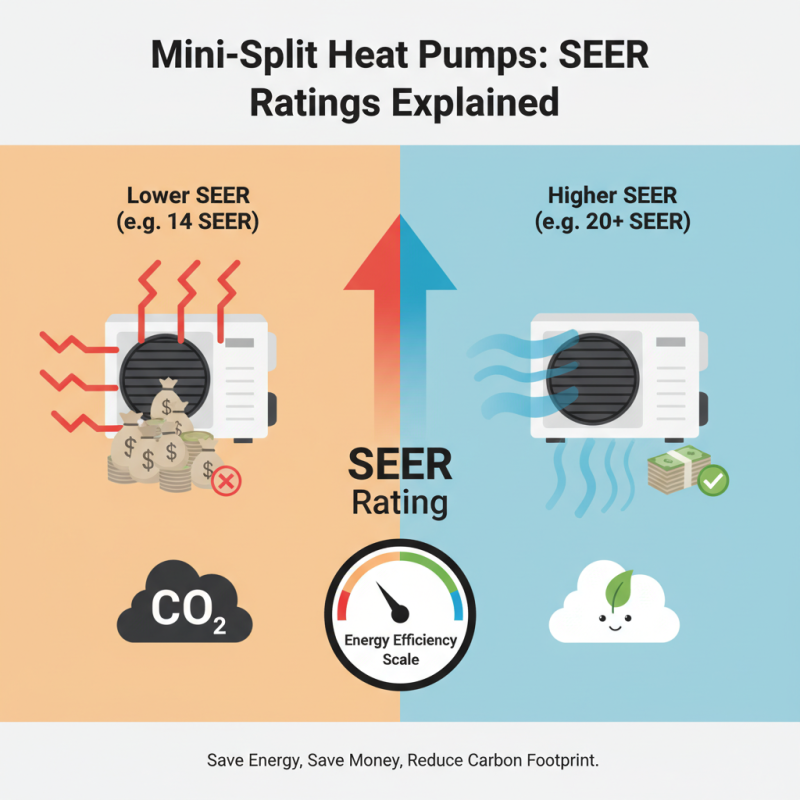
When selecting a mini split heat pump, understanding the Seasonal Energy Efficiency Ratio (SEER) ratings is crucial for achieving optimal energy efficiency. SEER ratings measure the cooling output during a typical cooling season divided by the total electric energy input, making it a vital indicator of efficiency. According to the U.S. Department of Energy, systems with a SEER rating of 14 or higher are considered efficient, with the most advanced models surpassing 20 SEER. Choosing a unit with a higher SEER rating may involve a higher initial cost but can significantly reduce energy bills and lower your carbon footprint over time.
**Tips:** Before purchasing, compare different models and their SEER ratings. For instance, a mini split with a SEER of 18 can save you approximately 30% in energy costs compared to one rated at 12 SEER over the unit's lifespan. Additionally, consider the size and layout of your space, as an appropriately sized system enhances performance and ensures comfort.
As you plan the installation, don't overlook the importance of professional guidance. A technician can help ensure that the mini split is correctly sized and installed, maximizing its efficiency. Systems poorly installed can lower their operation efficiency by as much as 30%, significantly affecting your energy savings.
Installation Location: Factors to Consider for Best Performance
When choosing the installation location for a mini split heat pump, several critical factors should be considered to ensure optimal performance. According to the U.S. Department of Energy, the efficiency of heat pumps can significantly depend on their placement. Ideally, indoor units should be installed in areas where they can effectively circulate warm air, such as central living spaces. If installed in poorly insulated areas, homes can lose up to 30% efficiency, resulting in higher energy bills and inadequate heating.
Outdoor units should also be placed with care. The American Society of Heating, Refrigerating and Air-Conditioning Engineers (ASHRAE) recommends avoiding locations that can obstruct airflow or create excessive noise, like tight corners or enclosed spaces. Moreover, placing the unit on a sturdy, elevated platform helps prevent snow accumulation and ice formation, which can reduce the heat pump’s efficiency by 20%. By considering these factors, homeowners can greatly enhance the heating effectiveness of their mini split systems while ensuring longevity and reducing operating costs.
Mini Split Heat Pump Installation Location Factors
Connecting Refrigerant Lines: Proper Techniques and Guidelines
When connecting refrigerant lines for a mini split heat pump, it's critical to employ proper techniques to ensure efficient operation and prevent leaks. Start by selecting the right diameter line for your specific model, as this impacts airflow and overall efficiency. Use insulated copper tubing, which minimizes heat loss and improves performance. Ensure the lines are free from kinks and sharp bends, as these can hinder the refrigerant flow and lead to potential damage.
Tips: Always use a torque wrench when tightening fittings to the manufacturer's specifications to avoid over-tightening, which can harm the flare connections. Additionally, utilize a vacuum pump to purge any air from the lines before charging the system with refrigerant. Checking for leaks at multiple stages of installation will help maintain system integrity; soap bubbles can easily reveal hidden leaks when applied to fittings.
To facilitate maintenance and accessibility, ensure that the refrigerant lines are neatly bundled and secured to avoid any strain or friction against surrounding surfaces. This organization not only promotes the longevity of the system but also simplifies future repair or servicing needs, thereby optimizing the overall heating efficiency of your mini split heat pump system.
How to Choose and Install a Mini Split Heat Pump for Efficient Heating
| Dimension |
Value |
| Heating Capacity (BTU) |
12,000 BTU |
| Energy Efficiency Ratio (EER) |
14.5 EER |
| Refrigerant Type |
R-410A |
| Pipe Size (Liquid Line) |
3/8 inch |
| Pipe Size (Suction Line) |
1/2 inch |
| Maximum Line Length |
50 feet |
| Minimum Line Length |
10 feet |
| Installation Difficulty |
Moderate |
| Warranty Period |
5 years |
Maintenance Tips for Prolonging the Life of Your Mini Split System
To prolong the life of your mini split heat pump system,
regular maintenance is essential. Start by cleaning or replacing the air filters every month, especially during peak usage seasons. Clogged or dirty filters can significantly reduce airflow and efficiency, leading to increased energy consumption and potential system failures. Additionally, checking the refrigerant levels and ensuring there are no leaks can help maintain optimal performance. If you notice any anomalies, it’s advisable to consult a professional technician.
In addition to filter maintenance, the outdoor unit also requires attention.
Inspect the unit for debris such as leaves, dirt, and ice, which can obstruct airflow and hinder performance. Clearing the area around the outdoor condenser and ensuring proper drainage will prevent water buildup and potential frost damage. Finally, scheduling annual professional maintenance services can provide a thorough check-up and tune-up, ensuring that all components are functioning correctly and efficiently. Taking these preventive measures will not only extend the lifespan of your mini split system but also keep your home comfortable year-round.