How to Choose the Best Food Dehydrator Machine for Your Needs?
Choosing the right Food Dehydrator Machine can be daunting. With many options available, it’s easy to feel overwhelmed. You may wonder what features to consider or what brands are trusted.
A high-quality food dehydrator can enhance your kitchen experience. It allows you to create healthy snacks and preserve seasonal fruits. Picture drying apples or crafting homemade jerky. The process is rewarding, and it can save money in the long run. However, not every dehydrator suits everyone’s needs.
Reflecting on your priorities is crucial. Do you value capacity, speed, or energy efficiency? Maybe you need a quiet machine for your kitchen. Each choice you make impacts your food-drying journey. So, take your time, and consider what you truly need.
Understanding the Basics of Food Dehydrators and Their Benefits
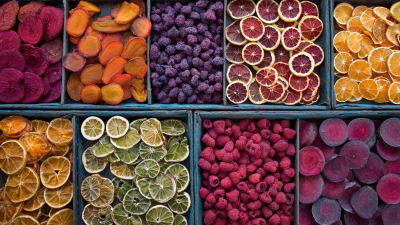
Food dehydrators are valuable kitchen appliances that help preserve food. They work by removing moisture, which prevents spoilage. This process concentrates flavors and can enhance the nutritional content. Dehydrating fruits, vegetables, and herbs can lead to delicious snacks. You can create crunchy fruit chips or flavorful dried herbs easily.
When choosing a dehydrator, consider the size. A smaller unit may be suitable for occasional use. However, if you plan to dehydrate large quantities, a bigger model is necessary. Think about the features you need. Some machines have adjustable temperature settings, which provide versatility. Others come with multiple trays for more efficient drying.
Tips: Always slice food evenly for consistent results. Experiment with drying times to see what works best for each type of food. Keep in mind that over-drying can lead to loss of flavor. Start with small batches to refine your technique. Take notes on what methods yield the best outcomes, and don’t hesitate to adjust your approach.
Key Features to Look for When Choosing a Food Dehydrator Machine
When selecting a food dehydrator, several key features deserve your attention. The size of the dehydrator matters significantly. Look for one that suits your kitchen space. A compact model may save space but limit your batch sizes. Conversely, a larger unit can handle more food but requires more storage.
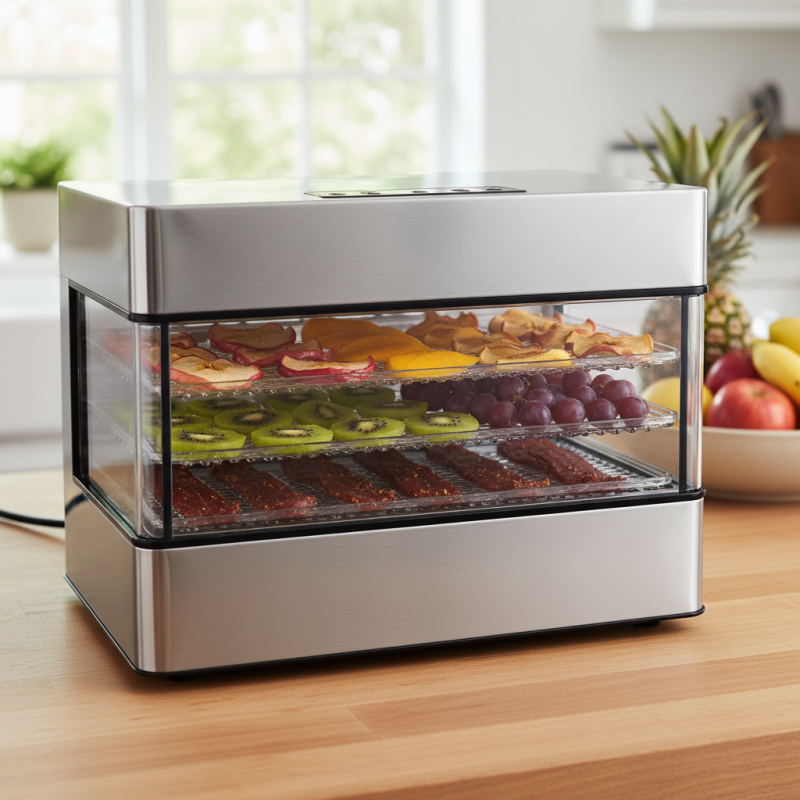
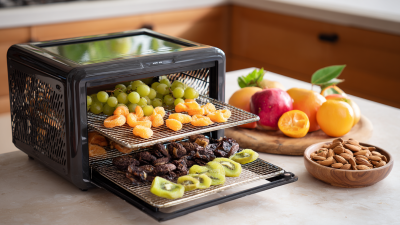
Temperature control is crucial. Some models offer precise settings for specific foods. This flexibility ensures better drying results. A transparent door is another beneficial feature. It allows you to monitor the drying progress without opening the machine. However, ensure the door maintains a good seal. Otherwise, heat may escape, affecting drying efficiency.
Airflow is often overlooked. Even distribution helps achieve consistent results. Models with multiple trays require efficient airflow design. This can prevent uneven drying. Noise level is another practical consideration. A noisy dehydrator can be bothersome, especially in small living spaces. Take note of these factors to enhance your dehydrating experience.
How to Choose the Best Food Dehydrator Machine for Your Needs?
| Feature |
Description |
Importance |
| Capacity |
The total space available for drying food, usually measured in square feet or trays. |
High |
| Temperature Control |
Adjustable settings that allow you to choose the appropriate drying temperature for different foods. |
High |
| Fan Type |
Type of fan used (horizontal vs. vertical) that affects air circulation and drying efficiency. |
Medium |
| Ease of Cleaning |
Design features that make it easy to clean the dehydrator. |
Medium |
| Material Quality |
Durability and safety of the materials used in the dehydrator construction. |
High |
| Price |
The cost of the dehydrator, which can vary widely based on features and capacity. |
High |
Comparing Different Types of Food Dehydrators: Pros and Cons
When choosing a food dehydrator, understanding the pros and cons of different types is essential. There are mainly three types:
stackable,
shelf, and
hybrid dehydrators.
Stackable models save space but can limit airflow. They often require rotating trays for even drying.
Shelf dehydrators have more space and better airflow. However, they may be pricier and occupy more counter area.
Hybrid dehydrators combine the best of both worlds. They offer efficient airflow and flexibility in design. Yet, they can be complex to operate.
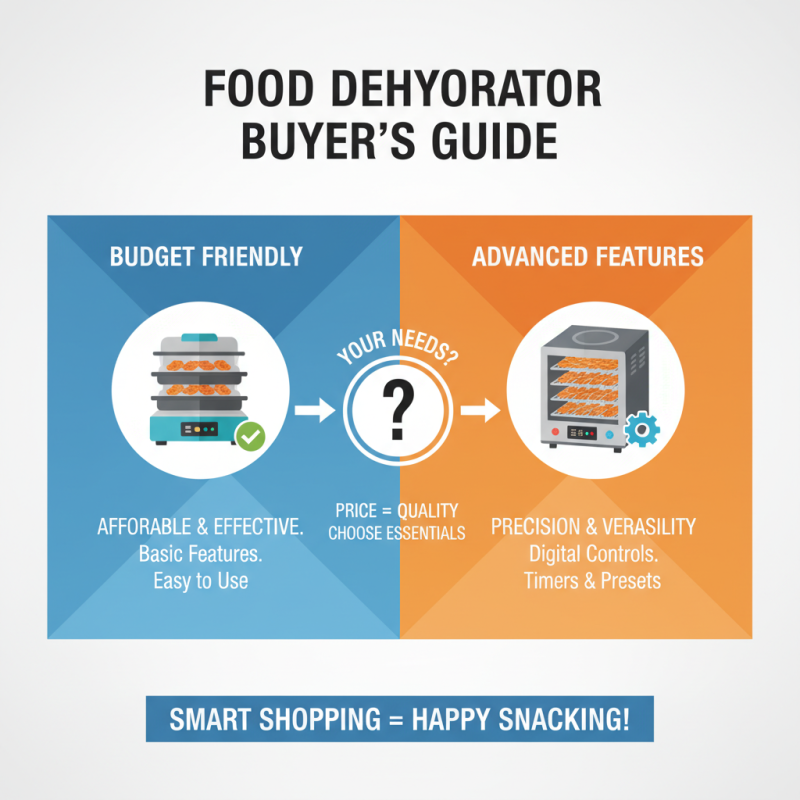
It’s worth considering how often you will use the dehydrator. A less expensive option may suffice for occasional use. Think about the food types you plan to dehydrate, too.
Fruits, vegetables, and jerky all have different drying needs.
Pay attention to capacity and features as well. A unit with temperature control may help achieve better results.
On the other hand, some models may lack sufficient user guidance. Be cautious about user reviews; they can offer insights but may not reflect your experience.
Balancing your budget and needs is a challenge. Take the time to reflect on what matters most in your food preservation journey.
Assessing Your Specific Needs to Select the Right Dehydrator
Choosing the best food dehydrator requires careful consideration of your specific needs. Think about what you plan to dehydrate. Are you focusing on fruits, vegetables, or jerky? Each type of food may require different temperature settings and drying times. If you want to make snacks, opt for a dehydrator with adjustable trays. More trays offer flexibility for larger batches. However, they can take up more space.
Consider the size of your kitchen and storage areas. A compact model may fit your needs better if space is limited. Pay attention to functionality. A digital display might seem appealing, yet it can become complicated. Sometimes, simpler is better. Make sure to research the drying capacity, too. You don’t want to be disappointed by small batches.
Energy efficiency is another factor to contemplate. You want a machine that will perform well without wasting power. Some dehydrators might feel overpriced when you examine their energy consumption. Reflecting on these details can lead to a better choice. Each person's preferences vary. Look for a dehydrator that balances features, usability, and size.