How to Choose the Best Fruit Dehydrator Machine for Your Needs
When it comes to preserving the natural goodness of fruits, a Fruit Dehydrator Machine can be an invaluable tool in your kitchen. These machines allow you to remove moisture from fruits, which helps to extend their shelf life while retaining essential nutrients, flavor, and aroma. Whether you are an avid health enthusiast, a home cook looking to explore new recipes, or someone who simply loves snacking on dried fruits, choosing the right fruit dehydrator is crucial for achieving the best results.
With various options available on the market, it is important to understand the specific features and benefits that different Fruit Dehydrator Machines offer. Factors such as the capacity, drying technology, temperature settings, and ease of cleaning can significantly impact your experience and the quality of the dried produce. By assessing your personal needs and preferences, you can make an informed choice that aligns with your lifestyle.
In this guide, we will explore key considerations to help you navigate the selection process for a Fruit Dehydrator Machine that suits your requirements perfectly. From understanding the types of dehydrators available to recognizing essential features, we aim to equip you with the knowledge to make the best decision for your fruit preservation endeavors.
How Fruit Dehydrators Work: An Overview of the Process and Benefits
Fruit dehydrators are fascinating appliances that allow you to preserve fruits while enhancing their flavors and nutritional benefits. The process of dehydration works by removing moisture from fruits, which inhibits the growth of bacteria, yeast, and mold. As the fruit is heated at a low temperature, water evaporates, leaving behind a concentrated source of nutrients and natural sugars. This not only prolongs the shelf life of the fruit but also intensifies its flavor, making dehydrated fruits a delicious and healthy snack alternative.
In addition to extending the usability of fruits, dehydrating them provides several health benefits. Dried fruits retain most of their vitamins and minerals, and they can often serve as a quick energy boost. Moreover, because dehydration removes water, the resulting product is lightweight and easily transportable, making it perfect for on-the-go snacking, outdoor activities, or even as a nutritious addition to various dishes. In essence, mastering the art of fruit dehydration opens up a world of culinary creativity while promoting a healthier lifestyle.
How to Choose the Best Fruit Dehydrator Machine for Your Needs
| Feature |
Description |
Benefits |
| Capacity |
Measured in square feet (sq ft) or number of trays, capacity determines how much fruit you can dehydrate at once. |
A larger capacity allows for batch processing, saving time and energy. |
| Drying Technology |
Different methods include bottom, top, and horizontal airflow for drying fruits. |
Ensures even drying and better flavor retention. |
| Temperature Control |
Adjustable settings for specific fruits to optimize drying. |
Prevents overheating and preserves nutrients. |
| Energy Efficiency |
Many models are designed to use less power. |
Reduced electricity costs and more eco-friendly. |
| Ease of Cleaning |
Designs that allow for easy assembly and disassembly. |
Saves time and encourages regular use. |
Key Features to Look For in a High-Quality Fruit Dehydrator
When choosing a fruit dehydrator, several key features can significantly impact your experience and the quality of the dehydrated fruits. One of the primary factors to consider is the temperature range of the machine. According to industry reports, effective dehydration requires specific temperature settings to ensure that fruits retain their nutrients while removing moisture. Look for models that offer a temperature range from 95°F to 165°F, as this flexibility allows you to handle various fruits optimally, preserving their taste and texture.
Another essential aspect is the dehydrator's airflow and drying space. A good dehydrator should have a fan that's powerful enough to ensure even air circulation. This feature is crucial; uneven drying can lead to spoilage or a less appealing product. Space is also a consideration—many consumers prefer units that can accommodate a substantial amount of fruit at once. Studies indicate that the average household consumes around 15-20 pounds of dehydrated fruit annually, emphasizing the need for adequate drying capacity. Look for machines with adjustable trays, which not only maximize space but also allow for the drying of different sizes and types of fruits simultaneously, ensuring versatility in your dehydrating endeavors.
Comparing Different Types of Dehydrators: Air Flow vs. Convection
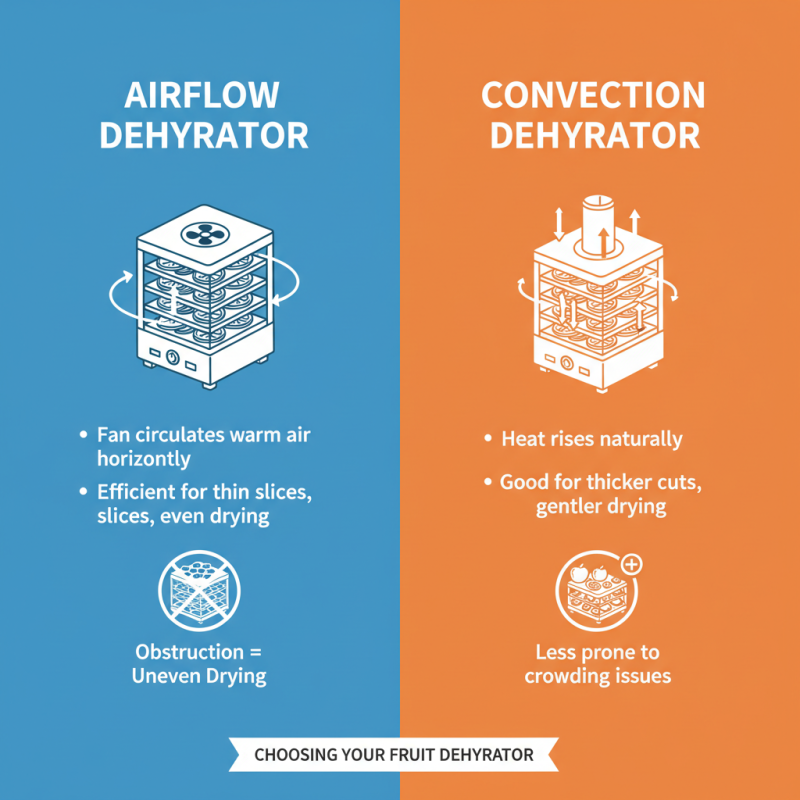
When choosing a fruit dehydrator, understanding the differences between air flow and convection dehydrators is essential. Air flow dehydrators utilize a fan to circulate warm air around the food, ensuring even drying. This method can be quite efficient, especially for thinly sliced fruits. However, if fruits are placed too close to each other without adequate spacing, the airflow can be obstructed, leading to uneven drying results.
On the other hand, convection dehydrators rely on a more complex system that combines a heating element with a fan to promote consistent air movement in multiple directions. This type of dehydrator is ideal for larger batches of fruits, as it can handle more volume while maintaining an even drying process. The improved circulation helps prevent the common pitfall of moisture pockets, which can spoil your dehydrated goods.
Tips: When selecting a dehydrator, consider the volume of fruit you plan to dry regularly. A larger, convection model may suit you better if you process fruits frequently. Additionally, ensure the dehydrator has adjustable temperature settings, which will allow you to customize the drying process for different fruit types, enhancing flavor and texture. Always remember that proper slicing and spacing of your fruits can significantly impact the outcome, regardless of the dehydrator type.
Understanding Capacity Needs: How Much Fruit Can Each Model Handle?
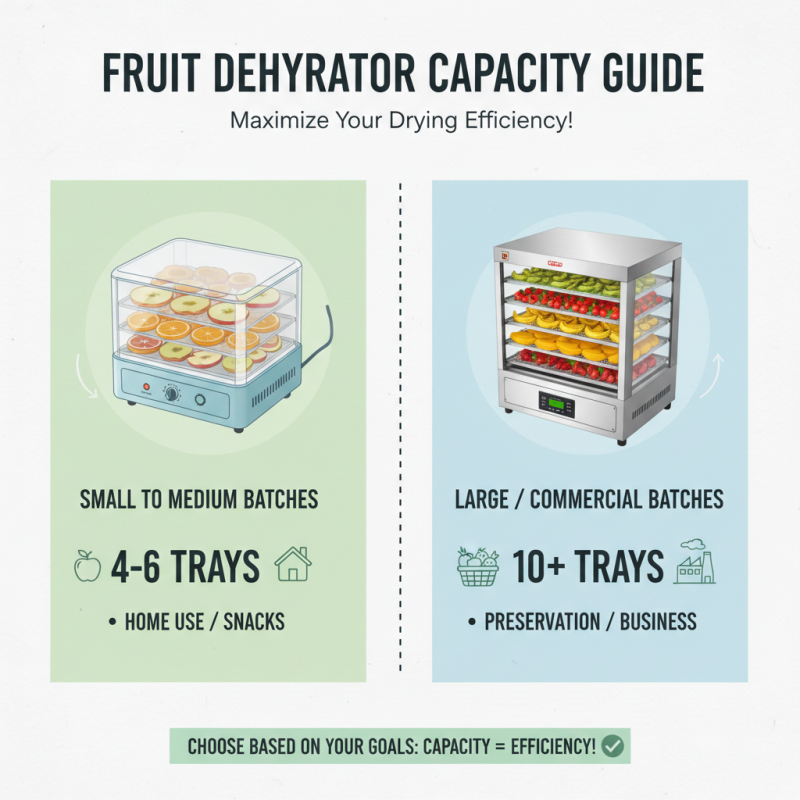
When choosing a fruit dehydrator, understanding your capacity needs is essential for ensuring you select a model that aligns with your drying goals. Different models come with various capacities, often measured in square feet or the number of trays provided. If you plan to dehydrate large quantities of fruits for preservation or commercial purposes, opting for a larger capacity unit—sometimes accommodating up to 10 trays or more—can be beneficial. This allows you to maximize your drying time and efficiency, ensuring you can process multiple batches in one go.
Conversely, if your needs are smaller, such as dehydrating fruits for personal use or occasional snacks, a compact model with fewer trays may suffice. Even smaller machines can be efficient for home use, offering enough capacity to dry 2-3 pounds of fruit at a time. Before making a decision, consider your typical purchasing habits and how often you intend to use the dehydrator. Evaluating the amount of fruit you usually handle will help you find the right balance between size and functionality, allowing you to enjoy perfectly dried fruits without unnecessary waste or effort.
Evaluating Energy Efficiency and Operating Costs of Dehydrator Machines
When choosing a fruit dehydrator machine, evaluating energy efficiency and operating costs is crucial for making an informed purchase. According to a report by the U.S. Department of Energy, kitchen appliances such as dehydrators can consume between 300 to 1,200 watts per hour. This variance largely depends on the model, size, and features. For instance, a typical home dehydrator using 500 watts for 10 hours a day can incur about $18 in energy costs monthly, assuming an average electricity rate of $0.13 per kilowatt-hour. Therefore, devices with better insulation and efficient heating elements can significantly reduce energy consumption and save you money in the long run.
Another important aspect to consider is the operational efficiency of the dehydrator. Research published in the Journal of Food Engineering indicates that advanced dehydrator models can achieve a drying efficiency of up to 90%, as opposed to less efficient models that may only reach around 60%. More efficient machines often utilize innovative technologies like convection and infrared heating, allowing for quicker operation and better retention of nutrients in fruits. Such models not only lower energy costs but also enhance the quality of the dried produce, making them a worthwhile investment for both personal use and small-scale commercial applications.
Energy Efficiency Comparison of Popular Fruit Dehydrator Machines
This chart compares the energy consumption of various fruit dehydrator models measured in kilowatt-hours (kWh) per batch. Lower energy consumption may indicate higher efficiency, which is an essential factor to consider when choosing a dehydrator for your needs.