Why Choose a Fruit Dehydrator Machine for Healthy Snacks?
In today's health-conscious society, the popularity of healthy snacks continues to rise. According to a recent report by MarketsandMarkets, the healthy snacks market is projected to reach $108.1 billion by 2026, driven by consumer demand for nutritious options. One effective way to create healthy snacks is through the use of a Fruit Dehydrator Machine. This innovative appliance allows individuals to preserve fruits while retaining their essential nutrients and flavor.
The benefits of using a Fruit Dehydrator Machine are quite significant. Dehydrated fruits are not only convenient but also packed with vitamins and minerals. For example, drying removes moisture but keeps around 90% of the nutrients intact. Many health experts recommend fruits as a key part of a balanced diet, and dehydrated fruits offer an easy way to integrate them seamlessly into your meals or snacks. However, it’s crucial to select the right machine for optimal results, as quality can vary.
Yet, not all dehydrated options are created equal. Some people may overlook the importance of using organic fruits or may add sugars during the dehydration process, which can negate the health benefits. By being mindful of these factors, consumers can make informed choices and enjoy nutritious snacks prepared with a Fruit Dehydrator Machine.
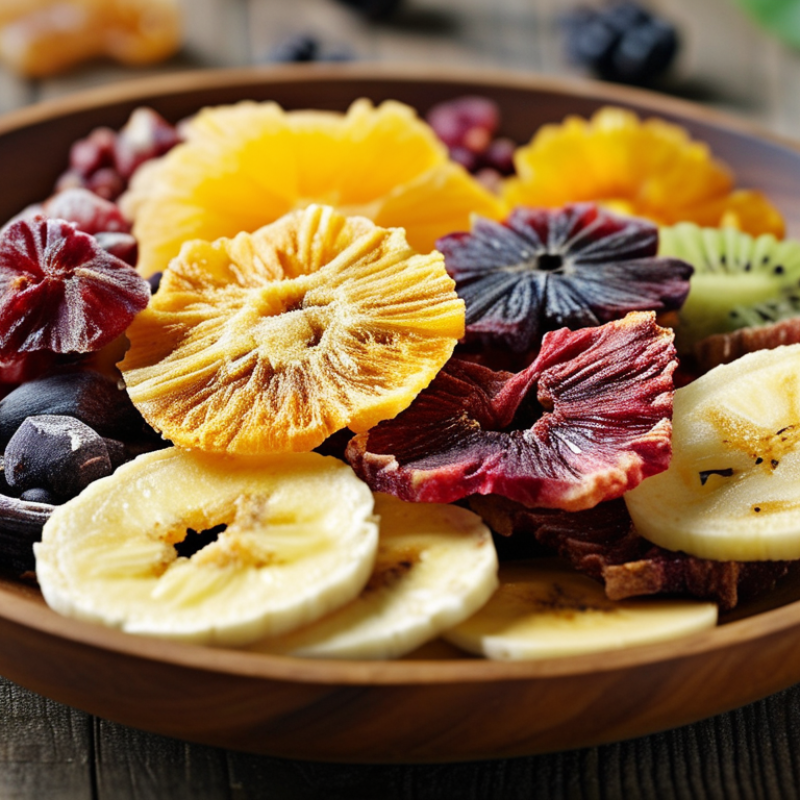
Benefits of Using a Fruit Dehydrator for Snack Preparation
Using a fruit dehydrator for snack preparation offers numerous health benefits. Dehydration removes moisture, preserving nutrients and enhancing flavor. According to a study by the USDA, dried fruits maintain most of their vitamins, such as vitamin C and antioxidants, making them a convenient and healthful snack option. The energy density also increases, allowing for quick and easy portion control.
Another significant advantage of a fruit dehydrator is its ability to save money. In 2021, the global fruit dehydrator market was valued at around $350 million. As people opt for healthier snacks, the demand for dried fruits is expected to grow. Making your snacks at home can significantly reduce costs compared to store-bought alternatives, which often contain added sugars and preservatives. Creating your own snacks allows for customization regarding flavor and sweetness, tailoring to personal preferences.
Moreover, preparing snacks at home can become a reflective activity. It requires planning and experimentation, which can reveal challenges in consistency. Not every batch will turn out perfect. Some fruits may lose texture or flavor if not dehydrated properly. However, this learning process can enhance one’s skills and deepen appreciation for healthy snacking.
Fruit Dehydrator Benefits for Healthy Snacks
Nutritional Advantages of Dehydrated Fruits Over Processed Snacks
Dehydrated fruits hold notable nutritional advantages compared to processed snacks. As fresh fruits lose moisture, their nutrients become concentrated. This leads to higher levels of vitamins and antioxidants in every bite. For instance, a slice of dehydrated apple contains more fiber than its fresh counterpart, making it more satisfying. Fiber aids digestion and helps control hunger.
Moreover, dehydrated fruits are free from added sugars and preservatives. Unlike many processed snacks, they retain their natural sweetness. This is beneficial for those seeking healthier options without sacrificing taste. Eating dehydrated fruits can provide a nutrient-dense alternative. A handful can be a great source of energy, particularly during busy days.
Choosing a fruit dehydrator allows control over ingredients. You can experiment with flavors, creating unique snacks tailored to your taste. However, it can be challenging to achieve the perfect texture. Some fruits may become too tough or chewy if not dried correctly. By adjusting drying times, you can find the right balance. Ultimately, investing in a dehydrator leads to healthier snack choices, promoting a balanced diet.
Key Features to Look for in a Quality Fruit Dehydrator Machine
When choosing a fruit dehydrator machine, understanding its key features is essential for making an informed decision. One of the most important aspects is temperature control. A good machine should offer adjustable heat settings, allowing users to dehydrate different fruits effectively. Proper temperature regulation ensures that the nutrients are preserved while also providing the right texture. Without this, your snacks can end up mushy or overly dry.
Air circulation is another critical factor. A quality dehydrator should have a fan that evenly distributes heat and air. This feature helps prevent uneven drying, which can lead to spoilage. Machines with poor air flow might leave some fruits partially dehydrated, affecting taste and safety. Additionally, consider the size and capacity of the machine. If you frequently prepare large batches, a larger unit will save time and energy.
Ease of cleaning is often overlooked but vital for maintenance. Removable trays can simplify this process, making it more convenient. Many users forget to clean their devices regularly, leading to issues with odor and contamination. Look for machines with dishwasher-safe components for hassle-free upkeep. Investing in a fruit dehydrator with these essential features can enhance your healthy snacking experience while ensuring you get the best nutritional benefits from your fruits.
Step-by-Step Guide to Dehydrating Fruits at Home
Dehydrating fruits at home can be a rewarding experience. It allows you to create healthy snacks while controlling the ingredients. Here’s a step-by-step guide to help you achieve great results.
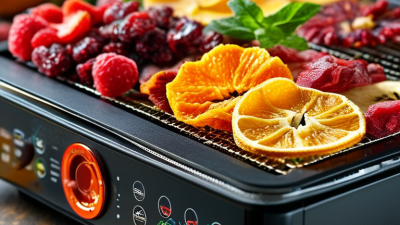
Begin by selecting fresh, ripe fruits. Common choices include apples, bananas, and strawberries. Clean the fruits thoroughly. Slice them into even pieces. Consistent size ensures uniform drying. For some fruits, soaking them in lemon juice can prevent browning.
Next, place the fruit slices in your dehydrator. Arrange them so air can circulate freely. Monitor the drying process. It usually takes several hours, depending on the fruit and thickness. Check periodically for dryness. The fruit should feel leathery but not sticky. It might take a few tries to perfect your technique. Don't worry; experimentation leads to learning.
Over time, you'll find the right balance for your taste. Enjoy your homemade snacks, knowing they are both nutritious and flavorful.
Creative Snack Ideas Using Dehydrated Fruits for a Healthy Diet
Dehydrated fruits are versatile ingredients for healthy snacks, offering creativity in meal preparation. Incorporating dried apples, mangoes, or bananas into your diet can provide vital nutrients. A study published in the Journal of Food Science revealed that dehydrated fruits retain up to 85% of their original vitamins and minerals. This means you can enjoy the flavors and benefits of fresh fruits all year round.
One exciting way to use dehydrated fruits is by mixing them into trail mixes. Combine dried cranberries, nuts, and seeds for a balanced snack. According to nutrition experts, this mix provides protein, fiber, and healthy fats, all essential for sustained energy. Dehydrated fruits can also enhance smoothies. Blend dried figs or peaches with yogurt for a quick, nutrient-rich meal.
Another idea is to use dehydrated fruits in baking. Adding dried fruit to muffins or granola bars can boost flavor and nutritional content. However, be mindful of portion sizes. High sugar content can sneak into your diet from multiple servings. Experimentation is key; sometimes, the flavors may not blend well. This reflection can guide future creativity in the kitchen.
Why Choose a Fruit Dehydrator Machine for Healthy Snacks? - Creative Snack Ideas Using Dehydrated Fruits for a Healthy Diet
| Fruit Type |
Nutritional Benefits |
Creative Snack Ideas |
Dehydration Time (hours) |
| Apples |
High in fiber, vitamin C |
Apple chips, trail mix |
6-8 |
| Bananas |
Rich in potassium, vitamin B6 |
Banana chips, smoothies |
8-12 |
| Pineapple |
High in manganese, vitamin C |
Pineapple snacks, granola bars |
6-10 |
| Mango |
Rich in vitamin A, C, E |
Mango slices, fruit salads |
10-12 |
| Strawberries |
High in antioxidants, vitamin C |
Strawberry chips, oatmeal toppings |
6-8 |