How to Choose the Right Heat Pump Split System for Your Home
Choosing the right heat pump split system for your home is a critical decision that can significantly impact your energy efficiency and comfort levels. According to the U.S. Department of Energy, heat pump systems can reduce electricity use for heating by approximately 50% compared to traditional electric resistance heating. In a time when homeowners are increasingly looking for sustainable and cost-effective climate control solutions, understanding the intricacies of heat pump splits becomes essential.
Industry expert Dr. Emily Thompson, a leading consultant in renewable energy systems, emphasizes the importance of selecting the right unit for your specific needs, stating, "The effectiveness of a Heatpump Split system largely depends on understanding your home's unique heating and cooling requirements." This highlights the necessity of thorough research and considerations—such as the size of your home, insulation levels, and regional climate—when investing in a heat pump.
As the market for heat pump split systems continues to grow, driven by innovations and rising energy costs, homeowners must be equipped with the right knowledge to make informed decisions. By taking into account efficiency ratings, installation costs, and potential rebates, selecting the ideal heat pump split system can lead to substantial long-term savings and a more comfortable living environment.

Understanding Heat Pump Split Systems: A Comprehensive Overview
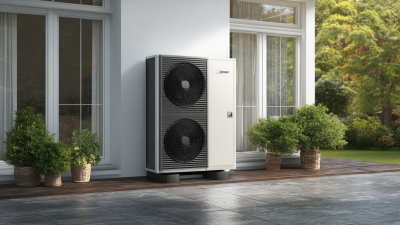
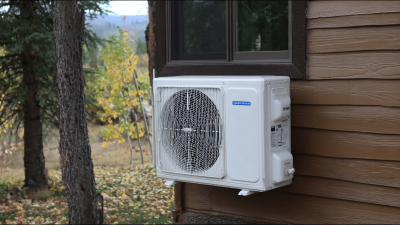
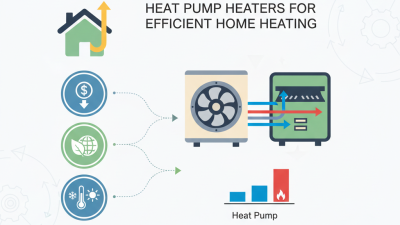
Heat pump split systems have gained popularity as an efficient solution for both heating and cooling residential spaces. These systems consist of two main components: an indoor unit that distributes conditioned air and an outdoor unit that absorbs or expels heat from the environment. According to the U.S. Department of Energy, heat pumps can provide up to three times more heating energy than the electrical energy they consume, making them an environmentally friendly choice for homeowners seeking to reduce energy bills and carbon footprints.
 Understanding the workings of heat pump split systems is crucial when selecting the right unit for your home. These systems operate on the refrigeration cycle, utilizing refrigerants that transfer heat from the outside air or ground to the interior space. The efficiency of these systems is indicated by their Seasonal Energy Efficiency Ratio (SEER) and Heating Seasonal Performance Factor (HSPF). The American Council for an Energy-Efficient Economy (ACEEE) recommends looking for units with a SEER rating of at least 16 and an HSPF rating of 9 or higher to ensure optimal performance. As homeowners increasingly prioritize energy efficiency, these metrics serve as vital benchmarks in making informed decisions about HVAC investments.
Evaluating Your Home's Heating and Cooling Needs
When choosing the right heat pump split system for your home, the first step is to evaluate your heating and cooling needs. Consider factors such as your home's size, insulation, and the local climate. A thorough assessment of these elements will help you determine the capacity required for your system. For instance, homes in colder regions may require a more robust system to maintain comfortable temperatures during winter months, whereas milder climates may benefit from a less powerful unit.
Tips: One effective way to gauge your heating and cooling needs is to perform a heat loss and gain calculation. This involves estimating the amount of heat your home loses during colder months and gains during warmer months. Use this information to choose a heat pump that can efficiently manage these fluctuations. Additionally, take note of the layout of your space. An open concept home may require a different setup compared to one with many rooms.
Moreover, consider your household’s occupancy patterns, such as the number of people who live in the home and their daily activities. Homes with larger families typically require systems that can adjust quickly to varying demands. Understanding your lifestyle will allow you to select a heat pump split system that not only meets your heating and cooling needs but also enhances your overall comfort year-round.
Key Features to Consider When Choosing a Heat Pump Split System
When selecting a heat pump split system for your home, several key features should be carefully considered to ensure optimal performance and efficiency. First and foremost, the heating and cooling capacity of the system is critical. It's essential to choose a model that matches the size of your home to avoid inefficiencies and energy waste. An oversized unit may lead to short cycling, while an undersized unit won’t adequately heat or cool your space. Consulting with a professional can help determine the appropriate capacity based on square footage and insulation levels.
Another vital consideration is the energy efficiency rating, often indicated by the Seasonal Energy Efficiency Ratio (SEER) and Heating Seasonal Performance Factor (HSPF). Higher ratings indicate better efficiency and can lead to significant savings on energy bills over time. Additionally, you should assess the system's noise levels. A quieter operation can enhance comfort, especially in residential settings where tranquility is valued.
Finally, think about the installation complexity and the long-term maintenance requirements. Some systems may require more extensive installation procedures, while others offer easier integration into existing setups. Ensure that you review any warranties and service agreements, as these can provide peace of mind regarding future repairs or replacements. By weighing these features carefully, you'll be well-equipped to choose a heat pump split system that best suits your home's needs.
Comparing Different Brands and Models of Heat Pump Split Systems
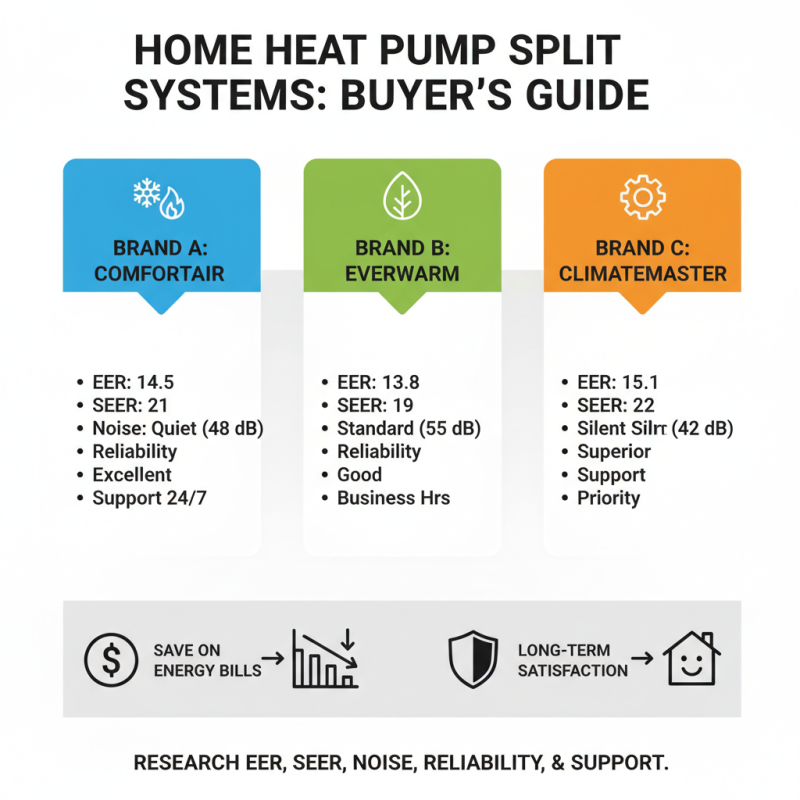
When considering a heat pump split system for your home, comparing different brands and models is crucial. Various manufacturers offer distinct features, efficiency ratings, and noise levels, which can significantly impact your comfort and energy costs. It's essential to research each brand’s reputation for reliability and customer support, as these factors can influence long-term satisfaction with your purchase. Look for systems with high Energy Efficiency Ratio (EER) and Seasonal Energy Efficiency Ratio (SEER) ratings, which indicate better performance and lower operational costs over time.
Additionally, consider the range of models within each brand. Some may offer advanced features such as smart technology integration, variable speed compressors, and enhanced filtration systems, which contribute to improved indoor air quality and comfort. It’s advisable to read user reviews and professional assessments to gauge how well each system performs in real-world conditions. Don't overlook the importance of warranty and service options, as these can provide peace of mind and protection for your investment. Ultimately, the right choice will align with your specific heating and cooling needs while fitting your budget.
Installation and Maintenance Tips for Optimal Performance
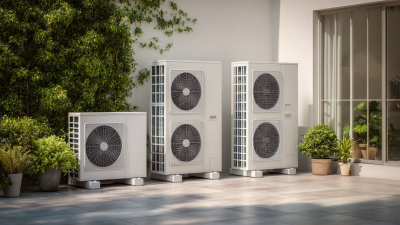
When it comes to the installation and maintenance of a heat pump split system, ensuring optimal performance requires attention to detail and proactive measures. Proper installation is crucial, as it significantly impacts the system's efficiency and longevity. Make sure to select a qualified HVAC technician to handle the installation process, as their expertise can prevent common pitfalls that lead to improper functioning. Additionally, installing the outdoor unit in a shaded area can enhance the system's performance, especially during hot summer months.
Maintenance is key to maximizing the lifespan of your heat pump split system. Regularly checking and replacing air filters is one of the simplest yet most effective ways to keep your system running smoothly. Clogged filters restrict airflow, reducing efficiency and potentially causing the system to overheat. Additionally, scheduling annual professional maintenance will ensure that your system is clean and free of any potential issues that could lead to costly repairs.
Another important tip is to monitor your system's performance throughout the year. Keep an eye out for unusual noises or temperature inconsistencies, as these might indicate a problem that needs immediate attention. Taking proactive measures will not only enhance comfort in your home but also save you money on energy bills and repairs in the long run.