How to Choose the Right Heatpump Split System for Your Home?
Choosing the right Heatpump Split system for your home can be a daunting task. Various models and features create confusion. However, making an informed decision can enhance your comfort and save energy.
When selecting a Heatpump Split system, consider your home’s size and layout. A properly sized unit ensures efficient heating and cooling. Pay attention to energy efficiency ratings. A higher rating can lead to significant savings over time.
Some features, like advanced thermostats and smart connectivity, may offer convenience. Yet, they can also complicate the installation and operation. Ensure you understand all specifications. Sometimes, homeowners overlook important details. Reflect on how each option fits your lifestyle and budget. Ultimately, the right choice should balance comfort with practicality.
Understanding Heat Pump Split Systems: Definition and Benefits
Heat pump split systems are an innovative solution for home heating and cooling. These systems consist of two main components: an indoor unit and an outdoor unit. The indoor unit circulates air within your home, while the outdoor unit absorbs heat from the environment. This dual structure enables high efficiency in temperature management. Families can enjoy comfortable indoor climates year-round, which reduces reliance on fossil fuels.
Choosing this system comes with benefits. Heat pumps use electricity to transfer heat, making them environmentally friendly. They can significantly lower your energy bills compared to traditional heating systems. However, understanding the specific needs of your home is crucial. Factors such as insulation quality, local climate, and the size of your living space matter. A miscalculated system may lead to inefficiencies, leaving you underheated or overcooled.
Despite their advantages, heat pump systems require regular maintenance to operate effectively. Neglecting upkeep can lead to decreased performance and increased energy consumption. Homeowners should be prepared for challenges, including understanding their system and its optimal settings. Knowledge about heat pump operation is key to fully benefiting from the investment.
Factors to Consider When Choosing a Heat Pump Split System
When choosing a heat pump split system, several factors come into play. One critical aspect is the energy efficiency rating. Systems with a higher Seasonal Energy Efficiency Ratio (SEER) can save homeowners up to 30% on their energy bills. According to the Department of Energy, opting for a unit with a SEER rating above 16 is ideal for maximizing efficiency.
Another consideration is the size of the system. Oversized units can lead to short cycling, reducing efficiency and increasing wear on components. It’s essential to perform a load calculation to determine the heating and cooling requirements specific to your space. An accurately sized unit can make a difference, saving both energy and money in the long run.
**Tips:** Always check local climate considerations. Your area's average temperatures can significantly influence the effectiveness of a heat pump. Additionally, think about system placement. An outdoor unit in direct sunlight might not perform as efficiently as one in a shaded area, especially during hotter months.
Noise levels are also crucial. Some models operate at around 50 decibels, which is like a soft conversation. Others can exceed 70 decibels, which may be disruptive in residential settings. Balance the need for efficiency with the desired comfort level in your home. Consider consulting with a licensed HVAC professional for personalized advice.
Factors to Consider When Choosing a Heat Pump Split System
Sizing Your Heat Pump Split System for Optimal Efficiency
When selecting a heat pump split system, sizing is critical. A properly sized unit ensures optimal efficiency and comfort. An undersized system will struggle to maintain temperature, leading to increased energy bills and wear. Conversely, an oversized system may cycle on and off too frequently, causing inconsistent temperatures and unnecessary energy waste.
To size your heat pump effectively, consider your home’s square footage, insulation, and local climate. Use a heat load calculation to determine the BTUs required for your space. Each room may have different needs based on sunlight exposure and occupant activity. Consult with a professional to ensure accuracy in your calculations, as small errors can lead to significant inefficiencies.
Reflecting on past experiences, many homeowners regret not taking the time to research. They often face higher costs or uncomfortable living conditions. A common mistake is underestimating the importance of insulation. Good insulation can significantly reduce the workload on your system, maximizing efficiency. Ensure you factor this into your sizing process.
Energy Efficiency Ratings and Their Importance in Selection
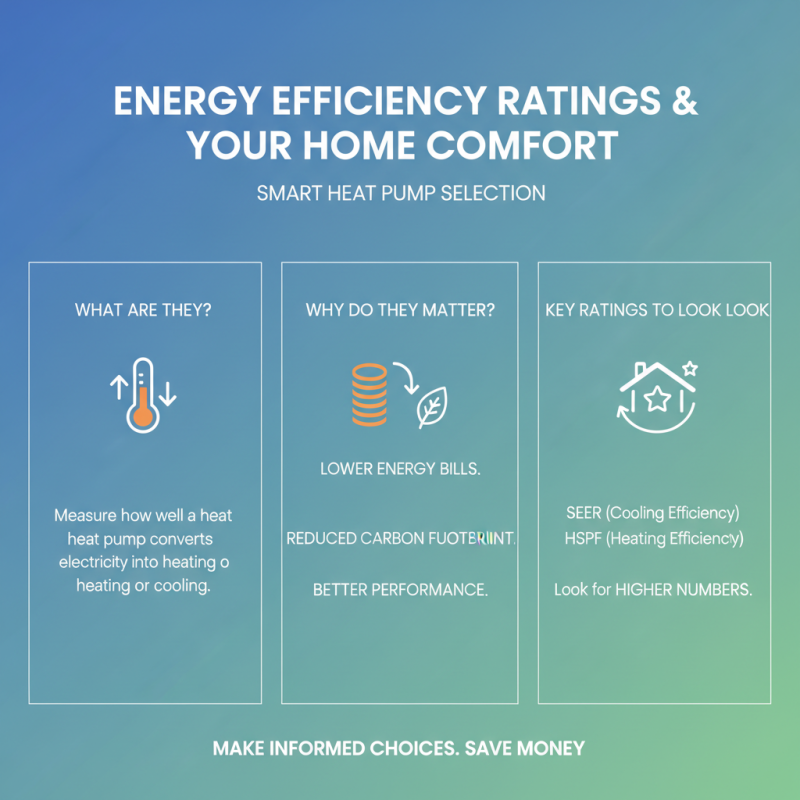
When selecting a heat pump split system, energy efficiency ratings are crucial. These ratings determine how effectively a system converts energy into heating or cooling. Higher ratings indicate better performance, which leads to lower energy bills. Understanding these ratings can be complex, yet it's essential for making an informed choice.
Many people overlook the specific efficiency metrics. The Seasonal Energy Efficiency Ratio (SEER) and Heating Seasonal Performance Factor (HSPF) are both significant. A higher SEER means cool air is produced more efficiently. Similarly, a high HSPF ensures warmth during winter months. Not all systems deliver the same efficiency, so doing research is vital.
Energy efficiency also affects environmental impact. Choosing a system with a high rating reduces greenhouse gas emissions. However, one must also consider installation costs versus long-term savings. Sometimes, more efficient units have a higher upfront price. Balancing immediate expenses with future savings can be challenging. Evaluating all these factors will lead to better decisions, even if it involves some trial and error.
Installation and Maintenance Tips for Heat Pump Split Systems
Installing a heat pump split system requires careful planning. Begin by assessing your home's layout and insulation. A professional can help identify optimal placement for indoor and outdoor units. Proper placement enhances efficiency. Poor positioning can lead to reduced performance. Ensure the outdoor unit has enough airflow and is not blocked by obstacles.
Regular maintenance is vital for longevity. Filters should be cleaned or replaced every few months. Dirty filters cause the system to work harder, wasting energy. Inspect the outdoor unit for debris, such as leaves and dirt. Removing these keeps the system operating smoothly. It’s also advisable to schedule annual professional inspections. A technician can spot issues before they become costly repairs.
User feedback can offer insights into what to expect. Many homeowners express regret for skipping regular maintenance. They often underestimate its impact on performance. Consider documenting maintenance tasks. This can help track when services are due. Small details make a difference in the efficiency of your heat pump system. Taking these steps can lead to a more comfortable home environment.
How to Choose the Right Heatpump Split System for Your Home? - Installation and Maintenance Tips for Heat Pump Split Systems
| Dimension |
Description |
Importance |
Maintenance Tips |
| Heating Capacity |
Measured in BTUs, this determines how much space it can effectively heat. |
Essential for efficient heating; too low might not heat adequately. |
Check periodically and calculate your home’s BTU needs based on size. |
| Energy Efficiency Ratio (EER) |
The ratio of cooling output to energy consumed, indicating efficiency. |
Higher EER means lower electricity bills and environmental impact. |
Look for models with high EER ratings and schedule regular system checks. |
| Seasonal Energy Efficiency Ratio (SEER) |
Measures cooling efficiency over an entire cooling season. |
A significant factor in energy cost savings and environmental benefits. |
Keep your system cleaned and serviced to maintain efficiency. |
| Noise Levels |
Measured in decibels (dB), affects comfort and livability. |
Quieter systems contribute to a more pleasant home environment. |
Consider sound rating when choosing a unit and ensure it’s properly installed. |
| Installation Type |
Options include wall-mounted, ducted, or floor-mounted systems. |
Choosing the right type can affect efficiency and aesthetics. |
Hire licensed professionals for installation to ensure systems work correctly. |