Why Choose a Solar Heat Pump for Your Home Energy Needs?
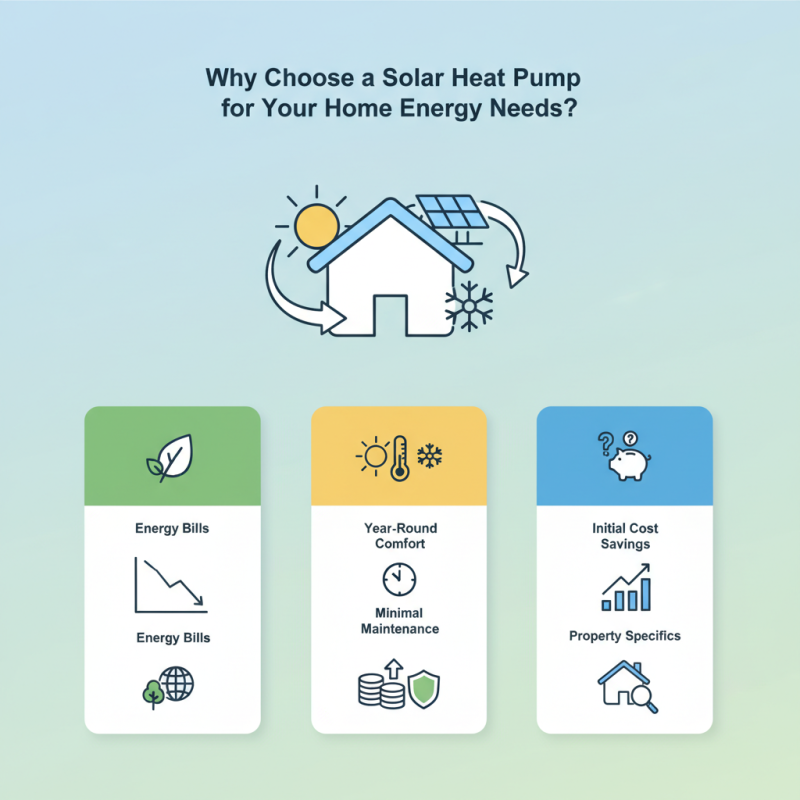
In today’s world, sustainable energy solutions are more important than ever. Homeowners seek effective ways to reduce their carbon footprint. A Solar Heat Pump proves to be a strong contender for energy needs. This technology utilizes the sun's energy to heat and cool homes efficiently. By harnessing renewable sources, you can enjoy lower energy bills and reduce environmental impact.
Choosing a Solar Heat Pump means investing in renewable energy. It offers both heating and cooling capabilities. As temperatures fluctuate, this system adapts to provide consistent comfort year-round. It also requires minimal maintenance, making it a reliable option. Homeowners can benefit from incentives that support renewable energy investment.
However, the initial costs can be a concern. Understanding long-term savings can help justify the expense. It is essential to evaluate property specifics before making a decision. Overall, a Solar Heat Pump stands out for its efficiency and environmental benefits.
Understanding Solar Heat Pumps: Basic Principles and Functionality
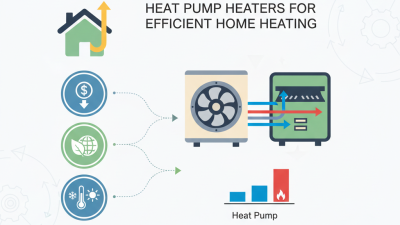
Solar heat pumps are innovative systems that harness solar energy for various heating needs in homes. These pumps operate on basic thermodynamic principles. They extract heat from the air or ground and amplify it for use in heating water or indoor spaces. Unlike traditional heating systems, solar heat pumps are more energy-efficient. They reduce reliance on fossil fuels and diminish greenhouse gas emissions.
When it comes to their functionality, solar heat pumps work by using refrigerants to absorb and transfer heat. The process begins when the refrigerant evaporates and absorbs heat, even in cold conditions. This heat is then compressed, increasing its temperature. This efficient system provides consistent heating and can significantly lower energy bills. It's worth noting that installation and initial costs could be a hurdle for some homeowners. However, the long-term savings often outweigh these concerns.
Environmental benefits are noteworthy. Solar heat pumps utilize renewable energy, reducing carbon footprints. Local climates can affect their efficiency. In colder regions, they may require supplementary heating. Proper planning and evaluation are essential to maximize performance.
Energy Efficiency of Solar Heat Pumps vs Traditional Heating Systems
Advantages of Solar Heat Pumps Over Traditional Heating Systems
Solar heat pumps present a compelling choice for homeowners seeking efficient energy solutions. One major advantage is their ability to harness solar energy. With a solar heat pump, sunlight is converted into heat, which dramatically reduces reliance on conventional energy sources. These systems can heat water and spaces effectively, leading to significant savings on energy bills.
Another notable benefit is their environmental impact. Unlike fossil fuel heating systems, solar heat pumps produce little to no greenhouse gas emissions. This makes them a more sustainable option for heating. However, the initial installation cost can be a hurdle for some homeowners. It's essential to assess long-term savings versus upfront expenses to determine their true value.
Solar heat pumps also require less maintenance. They often have a longer lifespan than traditional systems. This durability can lead to fewer repairs and replacements. Yet, their efficiency may decline in cloudy weather. Homeowners should consider this when planning their energy needs. Overall, the transition to solar heat pumps reflects a growing commitment to sustainable living.
Cost-Efficiency: Upfront Investment and Long-Term Savings Analysis
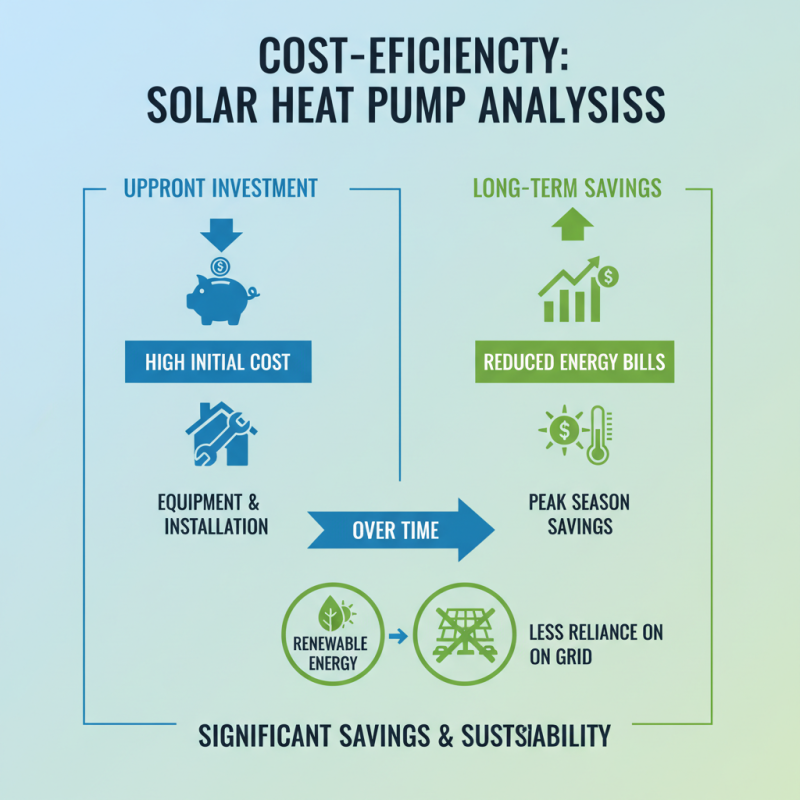
When considering energy solutions for your home, a solar heat pump stands out for its cost-efficiency. The initial investment might seem high, but this system can significantly reduce your energy bills over time. Homeowners can expect to save significantly during peak heating and cooling seasons. Utilizing renewable energy sources helps minimize reliance on traditional power grids.
However, there can be upfront costs associated with installation and equipment. Some families may find it challenging to allocate funds initially. It’s essential to evaluate local incentives and rebates that may apply. These can help alleviate the financial burden of switching to a solar heat pump.
Long-term savings can exceed the initial expenses. Over the years, many homeowners notice a marked decrease in their heating and cooling costs. They often feel more energy-independent. Reflecting on these aspects, it becomes clear that investing in a solar heat pump can be a smart financial decision, despite the possible hiccups during the transition.
Environmental Impact: How Solar Heat Pumps Contribute to Sustainability
Solar heat pumps are a promising solution for homeowners aiming to reduce their environmental impact. According to the International Energy Agency (IEA), buildings account for nearly 40% of global energy-related carbon dioxide emissions. By using solar heat pumps, homeowners can significantly lower these emissions. These systems harness renewable solar energy, making them a sustainable alternative to traditional heating methods.
The efficiency of solar heat pumps can lead to substantial energy savings. The U.S. Department of Energy reports that these systems can achieve efficiencies of 300-400%. This means for every unit of electricity used, they can produce three to four units of heat. Such efficiency is not just beneficial for homeowners but also plays a crucial role in reducing overall energy demand.
Tips: Regular maintenance of solar heat pumps can enhance their efficiency. This includes cleaning panels and checking for system leaks. Also, consider the positioning of your solar panels for maximum sunlight exposure. Rethink your energy choices and invest in renewable solutions that minimize your carbon footprint. Each small step can significantly contribute to a more sustainable future.
Why Choose a Solar Heat Pump for Your Home Energy Needs? - Environmental Impact: How Solar Heat Pumps Contribute to Sustainability
| Feature |
Effect on Environment |
Energy Efficiency |
Carbon Footprint Reduction |
Long-term Savings |
| Use of Renewable Energy |
Reduces reliance on fossil fuels |
Up to 400% efficiency |
Can reduce CO2 emissions by an estimated 3 tons/year |
Potential savings of 50-70% on heating costs |
| Low Noise Operation |
Less noise pollution compared to traditional systems |
Silent operation enhances energy conservation |
Contributes to a quieter environment |
Lower maintenance costs over time |
| Minimal Land Use |
Less impact on wildlife and natural habitats |
Utilizes existing space effectively |
Reduces habitat disturbance |
Maximizes property value |
Installation and Maintenance Considerations for Homeowners
When considering a solar heat pump for your home, installation and maintenance are critical factors. Proper installation ensures optimal performance and efficiency. Research indicates that a professionally installed system can increase energy savings by 20-30%. Homeowners should hire certified installers. They understand local building codes and requirements.
Maintenance is equally essential. Regular checks keep the system functional and efficient. It is recommended to inspect filters and ducts at least twice a year. Neglecting maintenance can reduce efficiency by up to 15%. Seasonal changes can affect performance. Homeowners must be proactive in scheduling routine checks.
It's important to note that while solar heat pumps are beneficial, they may not be perfect for every household. Initial costs can be high. In some areas, sunlight availability may limit efficiency. Homeowners must weigh these factors carefully. Thoughtful consideration can lead to better energy decisions.