How to Choose the Best Crop Dryer for Your Farming Needs?
In the world of agriculture, selecting the right Crop Dryer is crucial. A suitable Crop Dryer not only preserves the quality of harvested grains but also enhances market value. Different farmers have unique needs based on their crops and climates. Hence, the decision should consider various factors.
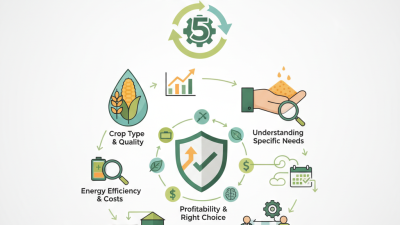
Farmers often overlook specific features. For instance, energy efficiency can impact operational costs significantly. A Dryer with a high capacity may not suit smaller farming operations. On the other hand, small units may lack efficiency for large-scale farming. Hence, assessing your harvest size and processing speed is vital.
Reliable advice from peers or industry experts can guide this choice. Reviews and case studies offer insights into different models. Farmers also need to reflect on their long-term goals. The right Crop Dryer should not only meet immediate needs but also adapt to future demands. Balancing these elements ensures better productivity and profitability.
Factors to Consider When Choosing a Crop Dryer
Choosing the right crop dryer is essential for effective post-harvest management. When selecting a dryer, consider the type of crops you handle. Different crops have varied moisture content and drying requirements. For instance, grains may need a different approach than fruits or vegetables.
Another important factor is the capacity of the dryer. Assess your farm's size and the volume of crops you expect. A dryer that's too small may lead to bottlenecks, causing delays. Conversely, an oversized dryer can waste energy and resources. Pay attention to energy efficiency as well. Look for dryers that use less fuel without compromising performance.
Don’t overlook ease of use. A complex machine can consume your time and labor. Simplicity in operation can lead to better productivity. Maintenance should also be manageable, as neglect can affect the dryer’s efficiency. Reflect on your experience with different models and seek feedback from fellow farmers. Your choice will have significant implications for your overall yield and profitability.
How to Choose the Best Crop Dryer for Your Farming Needs? - Factors to Consider When Choosing a Crop Dryer
| Factor |
Description |
Importance |
Considerations |
| Drying Capacity |
Amount of crops that can be dried at once. |
High |
Match capacity to your crop yield. |
| Energy Efficiency |
How much energy is consumed during operation. |
High |
Consider fuel types and costs. |
| Type of Dryer |
Different designs (airflow, batch, continuous). |
Medium |
Choose one based on your workflow. |
| Cost |
Initial purchase price and operational costs. |
High |
Evaluate budget constraints. |
| Ease of Use |
User-friendliness and learning curve. |
Medium |
Look for features that enhance usability. |
| Maintenance |
Requirements for upkeep and parts replacements. |
Medium |
Consider service availability and costs. |
| Crop Compatibility |
Suitability for specific types of crops. |
High |
Match dryer type with your crops. |
Types of Crop Dryers and Their Applications
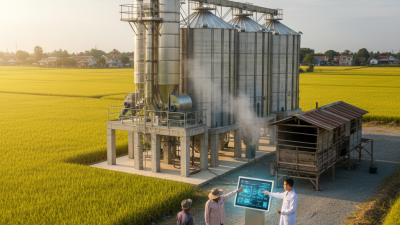
When selecting a crop dryer, it's essential to understand the types available and their specific applications. Grain dryers are among the most common types used in agriculture. They typically operate using heated air, circulating it through grains to remove moisture. According to the USDA, an effective grain drying process can reduce spoilage by over 50%, making it a vital tool for farmers.
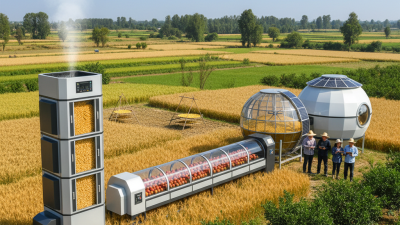
Another option is the fluidized bed dryer, popular for its ability to handle sensitive crops like fruits and vegetables. This technology uses air to suspend and dry produce uniformly, preventing damage. With rising temperatures affecting crop quality, farmers are increasingly turning to this type. A study published by the Journal of Food Engineering indicates that fluidized drying can maintain higher nutrient levels when compared to conventional methods.
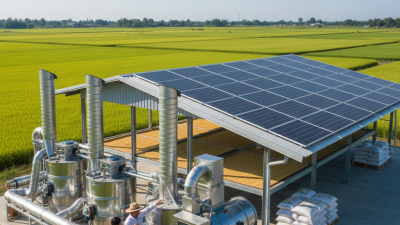
Solar dryers are also gaining traction, especially in regions with abundant sunlight. They are energy-efficient and environmentally friendly. However, the effectiveness can vary greatly depending on local climate conditions. According to research from the International Journal of Agricultural Sustainability, solar drying can take two to three times longer than conventional methods. Farmers must weigh these factors against their needs, underscoring that there is no one-size-fits-all solution in crop drying.
Assessing Your Farm’s Specific Drying Needs
When assessing your farm's specific drying needs, start by evaluating the types of crops you grow. Different crops have varying moisture requirements. For example, grains typically need lower moisture levels than fruits. Understanding these requirements helps you select a dryer that meets your specific needs.
Next, consider the scale of your operation. Are you a small family farm or a larger commercial entity? The size will determine the capacity of the dryer you need. Think about your average harvest volume and drying time. Choosing a dryer that can handle your farm’s output efficiently is crucial. A mismatch in capacity can lead to bottlenecks and increased costs.
Always factor in your farm's geographical conditions. Humidity and temperature can affect drying times. If you’re in a humid area, a more robust dryer may be necessary. Reflect on your past drying experiences. Were there any inefficiencies? Documenting these observations can guide your choice, ensuring you address any previous shortcomings.
How to Choose the Best Crop Dryer for Your Farming Needs
This chart illustrates the average drying time in hours for different crops using various drying methods. Understanding these times can help farmers select the most efficient crop dryer for their specific needs.
Evaluating Cost and Energy Efficiency in Crop Dryers
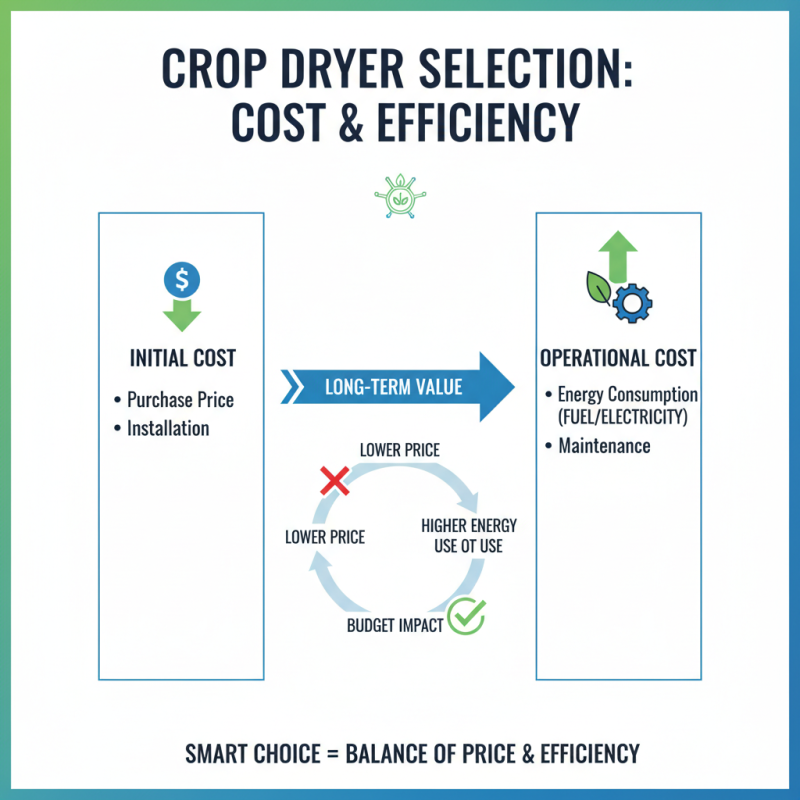
When selecting a crop dryer, cost and energy efficiency are crucial factors. You might consider the initial purchase price versus long-term operational costs. A lower initial cost may not equate to savings over time due to higher energy consumption. This can lead to unexpected expenses, affecting your overall budget.
Energy efficiency can significantly impact your farm's profitability. Look for models that utilize renewable energy sources or advanced drying technologies. Understanding the moisture content of your crops can also guide you in choosing the right dryer. Less moisture means less energy used, leading to savings. Monitor usage over time to see if the dryer maintains its efficiency.
Finally, think about maintenance costs. Some dryers require frequent repairs, while others remain reliable for years. Assessing these details can help you make a more informed decision. Investing time in research pays off. Don’t rush into a purchase. Re-evaluate options as technology evolves and new solutions emerge on the market.
Maintenance and Reliability of Crop Dryers
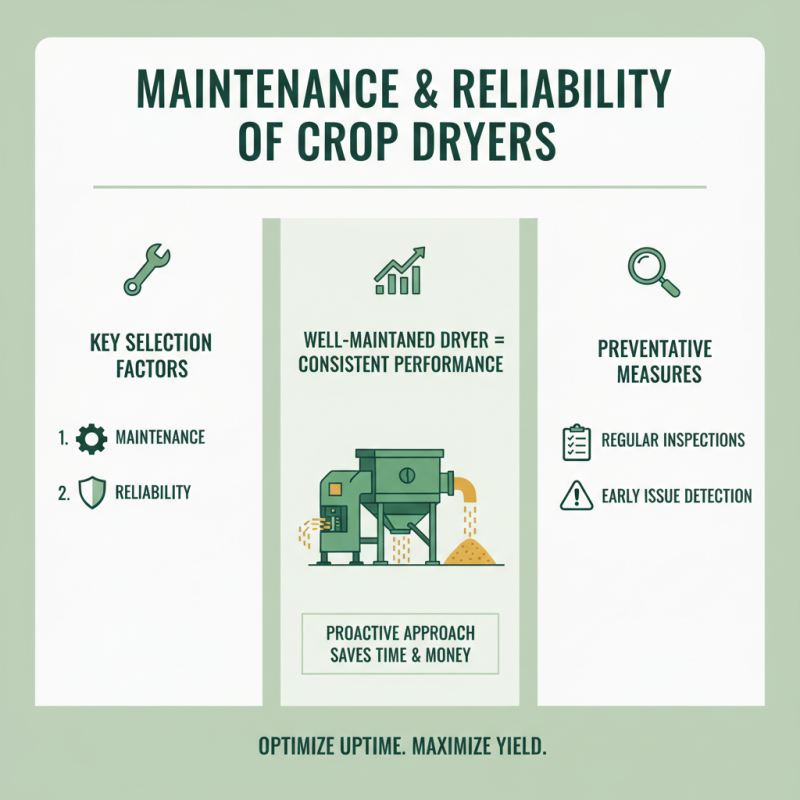
When selecting a crop dryer, maintenance and reliability are crucial factors. A well-maintained dryer ensures consistent performance. Regular inspections can help identify potential issues before they escalate. This proactive approach can save time and costs associated with repairs.
Reliability goes beyond the initial purchase. Consider how often the dryer will be used and the conditions it will face. A dryer that performs well under harsh conditions adds long-term value. Frequent breakdowns can disrupt harvesting schedules. Keeping a maintenance log is beneficial.
Additionally, understanding the mechanical components can aid in troubleshooting. For instance, if the airflow is insufficient, check the fan and filters. Sometimes, minor adjustments can restore efficiency. However, relying on professional service is not uncommon. Seeking expert advice can prevent oversights, ensuring your dryer operates smoothly.