How to Choose the Right Mini Split Heat Pump for Your Home?
Choosing the right Mini Split Heat Pump for your home can be daunting. According to a report by the Air-Conditioning, Heating, and Refrigeration Institute, about 21% of homes use this technology for heating and cooling. These systems are noted for their energy efficiency and flexibility. However, selecting the ideal unit may depend on various factors.
Expert Mark Johnson, a prominent consultant in HVAC technology, states, "Selecting the right Mini Split Heat Pump is crucial for maximizing comfort." He emphasizes understanding your home's unique needs. Factors like room size, insulation quality, and regional climate can make a significant difference. Mini Split Heat Pumps can often be an investment, with costs ranging widely from $3,000 to $10,000 or more, depending on capacity and features.
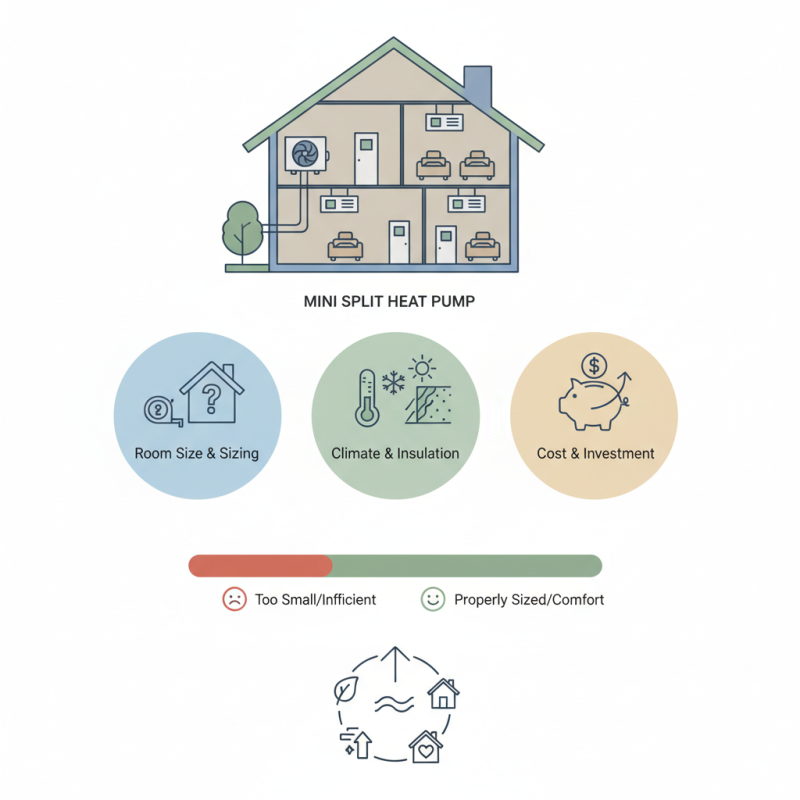
Paying attention to these details ensures you don’t end up with a system that underperforms. It’s a common pitfall to underestimate the importance of proper sizing. A too-large system may cycle on and off frequently, leading to inefficiency. Conversely, a small unit might struggle to maintain desired temperatures. Addressing these considerations will lead to a more satisfying heating and cooling experience in your home.
Understanding Mini Split Heat Pumps: Key Features and Benefits
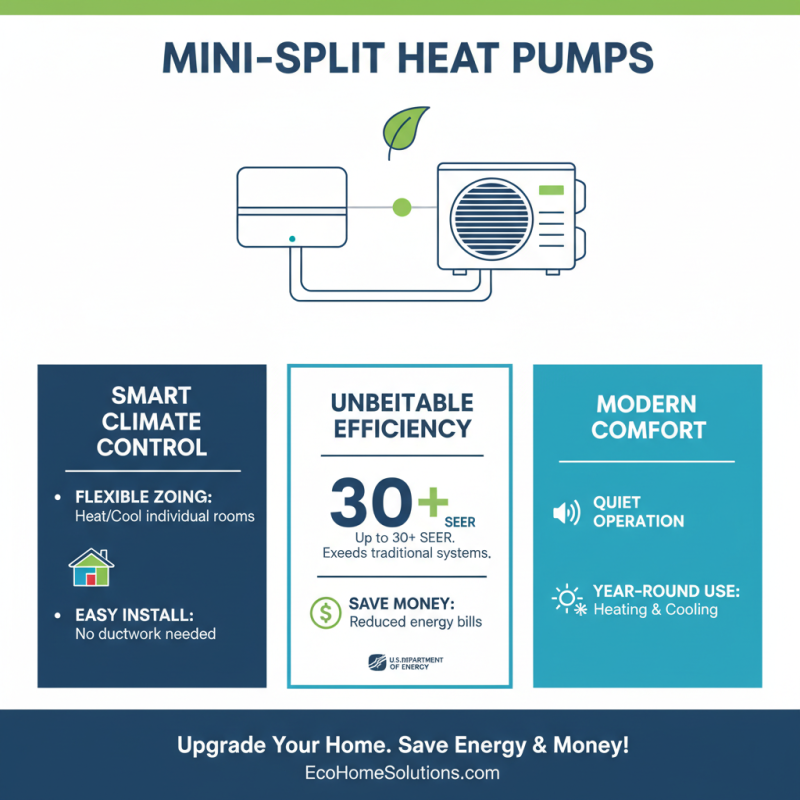
Mini split heat pumps are becoming popular in modern home heating and cooling solutions. They offer flexibility and energy efficiency. According to a report from the U.S. Department of Energy, ductless mini splits can achieve efficiencies exceeding 30 SEER (Seasonal Energy Efficiency Ratio). This means significant cost savings on energy bills over time.
Tip: Assess your home’s size and insulation. A well-insulated home can enhance the efficiency of a mini split system. Choose the unit capacity wisely. Too small, and it won't heat or cool effectively. Too large, and it can lead to energy waste.
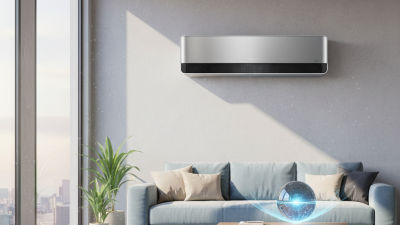
These systems typically feature individual indoor units that allow for personalized comfort. You can control different zones of your home independently. This is great for homes with varying occupancy levels between rooms. However, some homeowners forget about the importance of placement. Improperly positioned units may lead to discomfort in certain areas.
Tip: Regular maintenance is crucial for optimal performance. Clean the filters every month and schedule annual professional checks. A little attention goes a long way. Neglecting maintenance can decrease efficiency and lifespan significantly.
Assessing Your Home's Heating and Cooling Needs
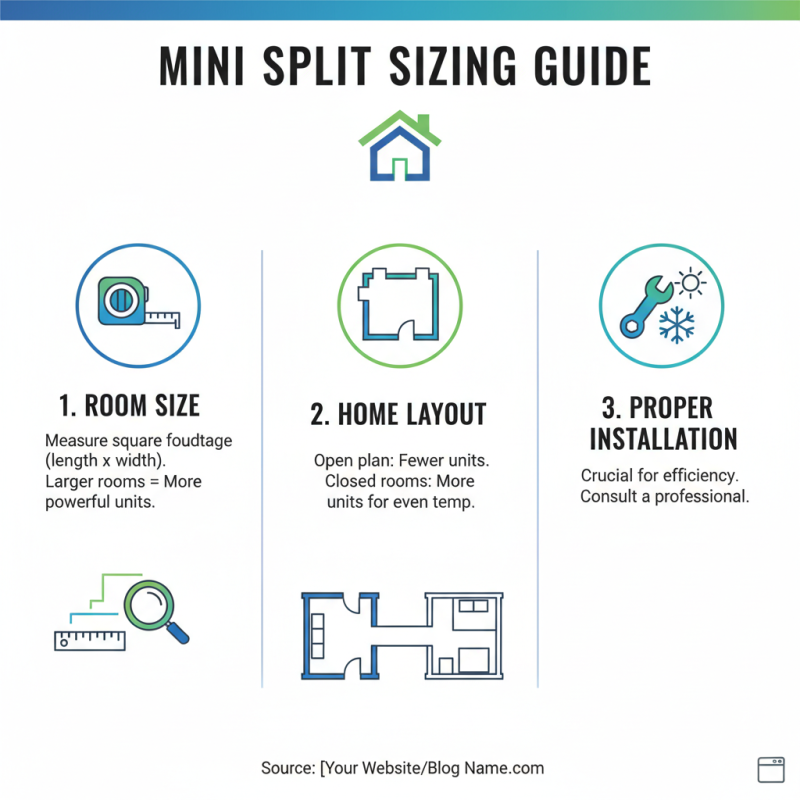
Assessing your home's heating and cooling needs is crucial for choosing the right mini split heat pump. Start by evaluating the size of each room. Measure the square footage to better understand how much heating or cooling is necessary. Larger spaces typically need more powerful units. A common mistake is ignoring the layout of your home. Open floor plans might require fewer units, while closed spaces may need more to ensure a consistent temperature.
Next, consider insulation quality. Well-insulated homes retain heat better in winter and stay cool in summer. If your insulation is lacking, you might need additional heating or cooling capacity. Windows also play a role. Single-pane windows allow heat loss, affecting your pump's efficiency. Think about local climate as well. If your area sees extreme temperatures, you will need a system that can handle those conditions. This often means reassessing your initial calculations. Don't rush the decision—take your time to get it right.
Determining the Right Size and Capacity for Your Mini Split
Choosing the right mini split heat pump for your home requires careful consideration of size and capacity.
An undersized unit may struggle to maintain temperature, leading to discomfort.
Over time, this can increase energy bills. A common rule of thumb is to have about 20 BTUs
per square foot of living space. However, factors like insulation and ceiling height can affect this calculation.
For example, a home with poor insulation may require a higher capacity unit. According to the
U.S. Department of Energy, proper sizing can enhance efficiency
by 30%. It's essential to do a room-by-room analysis. Each space may
have unique demands based on sun exposure and usage.
Many homeowners overlook the need for precise measurements and calculations. This oversight can lead to
inefficient heating and cooling. Consult with professionals for an accurate load calculation.
They will consider various elements, like climate zone and local weather patterns. Taking these steps
ensures you choose a mini split heat pump that meets your home's specific needs, providing comfort
throughout the year.
Evaluating Energy Efficiency Ratings and Costs
When choosing a mini split heat pump, energy efficiency is paramount. Look for the Seasonal Energy Efficiency Ratio (SEER) and Heating Seasonal Performance Factor (HSPF) ratings. Higher ratings indicate better efficiency and lower operational costs. Efficient systems save you money in the long run. However, you may notice higher upfront costs due to advanced technology. This factor can be daunting.
Consider your local climate. In warmer regions, a high SEER rating may be more critical. In colder areas, HSPF becomes essential for winter performance. Researching both ratings can help you make an informed decision. Bear in mind, efficiency also relies on proper installation. An improperly installed system can lead to inefficiency, even with high ratings.
Energy costs fluctuate. Obtaining accurate energy bills for your home is wise. Analyze these costs before committing. It may be beneficial to reflect on your heating and cooling needs over time. You might discover that a system with slightly lower efficiency meets your needs perfectly. Balancing initial investment and long-term savings can be challenging. Don't rush the process. Your comfort deserves consideration.
Installation Considerations for Mini Split Heat Pumps
When considering a mini split heat pump, installation is a key factor. Proper placement can greatly affect efficiency and comfort. Ensure indoor units are located where airflow is unobstructed. Rooms with heavy furniture could block warm or cool air. Think about window placement too. Avoid direct sunlight as it can lead to inconsistent temperatures.
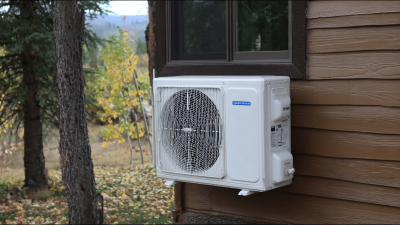
For outdoor units, consider accessibility. They should be positioned away from foliage and debris. An area with good drainage is essential. Improper drainage may lead to corrosion. Noise is also a consideration. Some locations might amplify sound. It’s wise to get a noise rating before installation.
Don’t forget about local building codes. Ensure your plan complies with regulations. Hiring a professional can help navigate these details. Remember, every home is unique. Take time to evaluate your specific needs. This will lead to better comfort year-round.
Energy Efficiency Comparison of Mini Split Heat Pumps