2026 How to Choose the Best Air Source Heat Pumps?
Air Source Heat Pumps (ASHPs) are gaining popularity among homeowners and businesses alike. According to the U.S. Department of Energy, ASHPs can reduce energy consumption by 30% to 40% compared to traditional heating systems. Many consumers are aware of the energy savings potential but often overlook crucial selection criteria. Choosing the right ASHP requires a careful evaluation of efficiency ratings, size, and features.
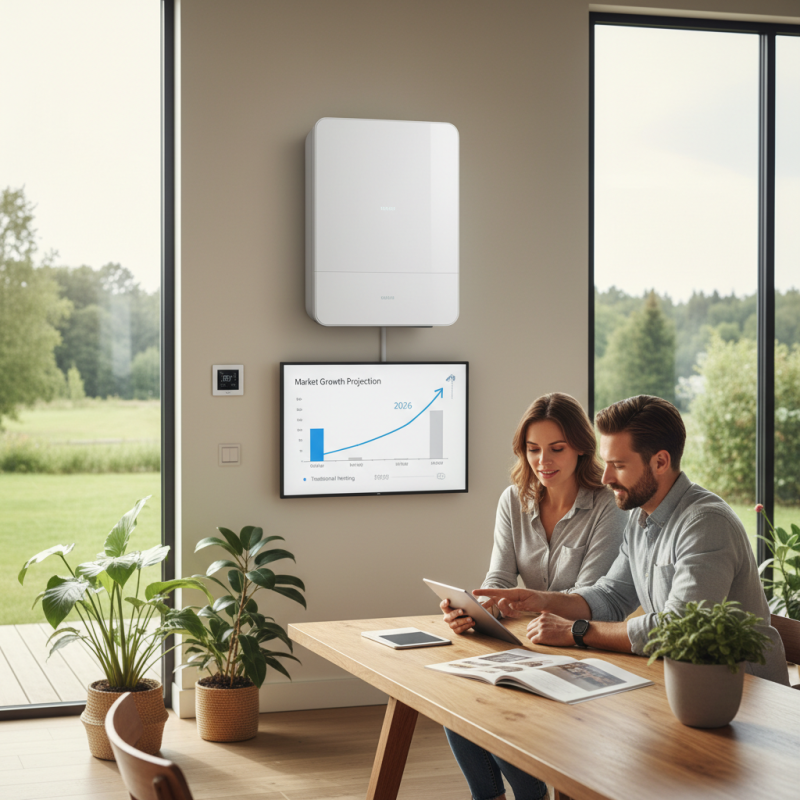
The market is projected to grow significantly, reaching $95 billion by 2026, driven by increasing awareness of energy efficiency benefits. However, not all ASHPs are created equal. Some brands may lack reliability or adequate performance in extreme temperatures. Research shows that improper sizing can reduce efficiency by up to 20%. Homeowners must consider local climate conditions, energy costs, and installation quality when making a choice.
In a world where renewable energy is becoming vital, ASHPs represent a sustainable option. Still, many buyers face decision fatigue, trapping them in analysis paralysis. Without expert guidance, the selection process can feel overwhelming. Emphasizing reliable data and clear criteria will empower consumers to make informed decisions for a comfortable and efficient future.
Understanding Air Source Heat Pumps: Types and Functionality
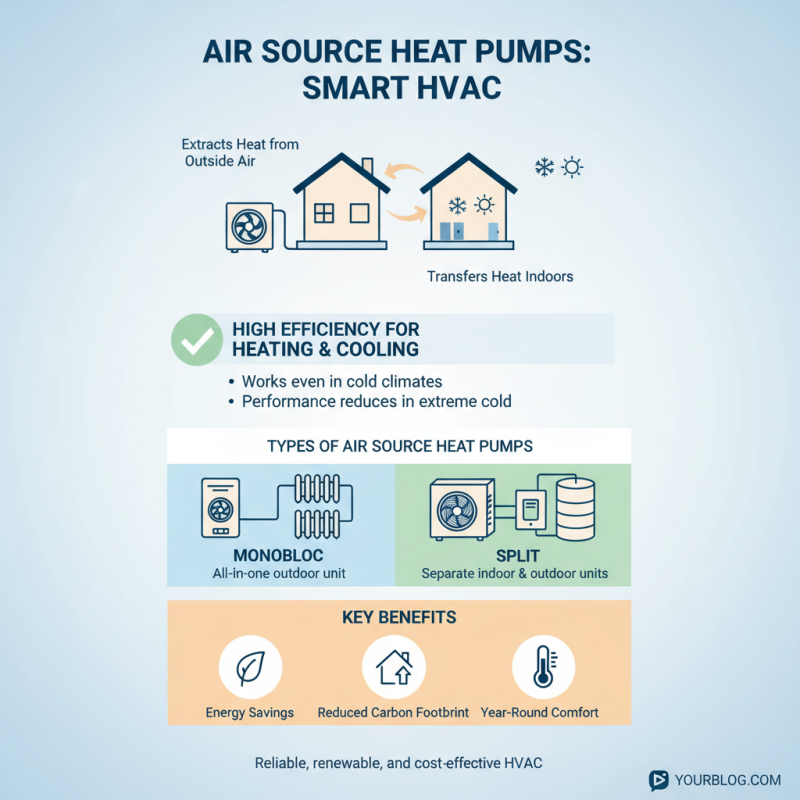
Air source heat pumps are efficient systems designed for HVAC needs. They extract heat from the air outside and transfer it indoors. These systems work effectively even in cold climates. However, their performance can diminish in extremely low temperatures. Understanding the types of air source heat pumps is crucial.
There are two main types: air-to-air and air-to-water heat pumps. Air-to-air systems circulate warm air into your home, while air-to-water units deliver hot water for radiators or underfloor heating. Each type has unique benefits and drawbacks. For example, air-to-air units are usually easier to install but may not provide hot water.
When choosing a heat pump, consider your home's specific heating needs. Evaluate the climate in your region, the layout of your space, and energy efficiency ratings. It’s worth noting that not every system will suit every home. Research extensively and consult professionals for tailored advice. Adapting to new technologies can seem overwhelming, yet it opens the doors to greater efficiency and comfort.
Key Factors Influencing Efficiency Ratings in Heat Pumps
When selecting an air source heat pump, efficiency ratings are crucial. These ratings depend on several key factors. Understanding these can simplify your decision-making process.
One important factor is the Seasonal Energy Efficiency Ratio (SEER). A higher SEER indicates better efficiency. You should also check the Heating Seasonal Performance Factor (HSPF). This tells how effectively a heat pump provides heating over the seasons. Look for models with high ratings in both areas.
Climate plays a role as well. In colder regions, a heat pump may struggle. In these areas, backup heating systems often become necessary. Insulation also affects efficiency. Well-insulated homes retain heat better, reducing the load on the pump. Investing in insulation could significantly boost overall efficiency. Also, consider installation quality. A poorly installed unit might not perform well. It's essential to collaborate with experienced professionals to avoid future inefficiencies.
Evaluating Cost-Effectiveness: Initial Investment vs. Long-Term Savings
When contemplating the installation of an air source heat pump, it's essential to evaluate both the initial investment and potential long-term savings. The upfront cost can be significant, often leading to second thoughts. Homeowners may feel daunted by a high installation price. However, understanding the savings on energy bills can paint a different picture.
Consider the fact that air source heat pumps can reduce energy costs by up to 50%. This makes them an appealing option for many. However, not all systems are equally efficient. Energy efficiency ratings can vary widely. Therefore, it’s crucial to do thorough research before making a purchase. Some pumps may have a lower initial price but could lead to higher operational costs over time.
It's also important to factor in maintenance needs. Regular maintenance can enhance efficiency and prolong the life of the system. But, maintenance costs can add up. Reflecting on these aspects helps in making a more informed decision. Homeowners should weigh the pros and cons carefully. The right choice should align with both budget constraints and energy-saving goals. Balancing these factors can be a challenging yet rewarding endeavor.
Installation Considerations: Sizing and Placement of Heat Pumps
When installing air source heat pumps, proper sizing is crucial.
A heat pump that is too small will struggle to maintain comfort. On the other hand, an oversized unit may lead to short cycling.
This can increase energy costs and reduce efficiency. It's essential to conduct a load calculation to determine the appropriate size based on the space's heating and cooling needs.
Placement of the heat pump also impacts its performance. Ideally, it should be installed in a location with good airflow and away from obstructions.
If it's too close to walls or fences, airflow could be restricted. This could lead to reduced efficiency and increased wear on the unit. Pay attention to local climate conditions, as these can affect placement decisions as well.
Consider noise levels, too. Some models are quieter than others. A noisy unit can disrupt the living space. Always think about where you want to place the heat pump in your yard.
Make sure it won't disturb your neighbors. Achieving the right balance between efficiency and comfort often requires thoughtful planning.
Every detail counts in the success of your installation.
Future Trends in Air Source Heat Pump Technology and Regulations
As the world moves toward sustainable energy solutions, air source heat pumps (ASHPs) are gaining popularity. Future trends suggest these systems will become more efficient and user-friendly. The focus on reducing carbon footprints drives innovation in this space.
New regulations are emerging globally, aiming to improve ASHP technology. Governments encourage homeowners to adopt more eco-friendly options. Energy efficiency standards are tightening, impacting the design and function of heat pumps. This shift may lead to more advanced features, such as smart controls and integration with renewable energy sources.
However, challenges remain. Not all regions have the same climate conditions, which can limit the effectiveness of ASHPs. Installation costs may also deter potential users. As technology evolves, adaptability and affordability must go hand in hand. The future of air source heat pumps relies on these critical factors. Balancing innovation with practicality could be the key to success.
2026 How to Choose the Best Air Source Heat Pumps? - Future Trends in Air Source Heat Pump Technology and Regulations
| Criteria |
Description |
| Efficiency Ratings |
Look for Seasonal Energy Efficiency Ratio (SEER) and Heating Seasonal Performance Factor (HSPF) ratings. |
| Climate Adaptability |
Select units designed for local weather conditions; some perform better in cold climates. |
| Noise Levels |
Check decibel ratings; quieter models enhance comfort and meet neighborhood regulations. |
| Regulatory Compliance |
Ensure the pump meets local building codes and energy standards. |
| Installation and Maintenance |
Consider installation complexity and maintenance requirements; some systems need professional handling. |
| Cost Considerations |
Evaluate initial purchase cost and long-term savings on energy bills. |
| Smart Technology Integration |
Choose heat pumps that can connect with smart home systems for enhanced control. |