How to Choose the Best Heatpump Split for Your Needs?
Choosing the right Heatpump Split for your needs can be daunting. With various options available, it’s essential to understand what suits your specific requirements. This decision impacts energy efficiency, comfort, and cost.
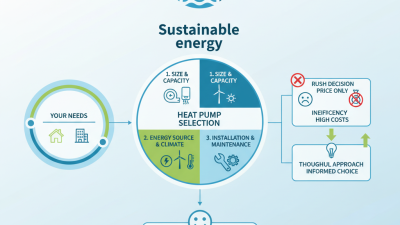
Understanding your space is crucial. Is it large or small? Do you need heating, cooling, or both? These factors influence your choice. Researching models and specifications can feel overwhelming, but it's necessary for better performance. Failing to consider your unique needs can lead to inefficiency and higher bills.
Expert advice can help navigate your options. Consulting HVAC professionals adds reliability to your choices. They provide insights into installation and maintenance. However, always verify their recommendations. Personal experiences also matter. Many users share their success and frustrations with different systems online. Balancing these perspectives is key. Ultimately, making an informed choice ensures long-term satisfaction with your Heatpump Split.
Understanding Heat Pump Splits: Basics and Benefits
Heat pump splits are becoming popular for home heating.
They operate efficiently and provide comfort throughout the year. Understanding how they function can help in making an informed choice.
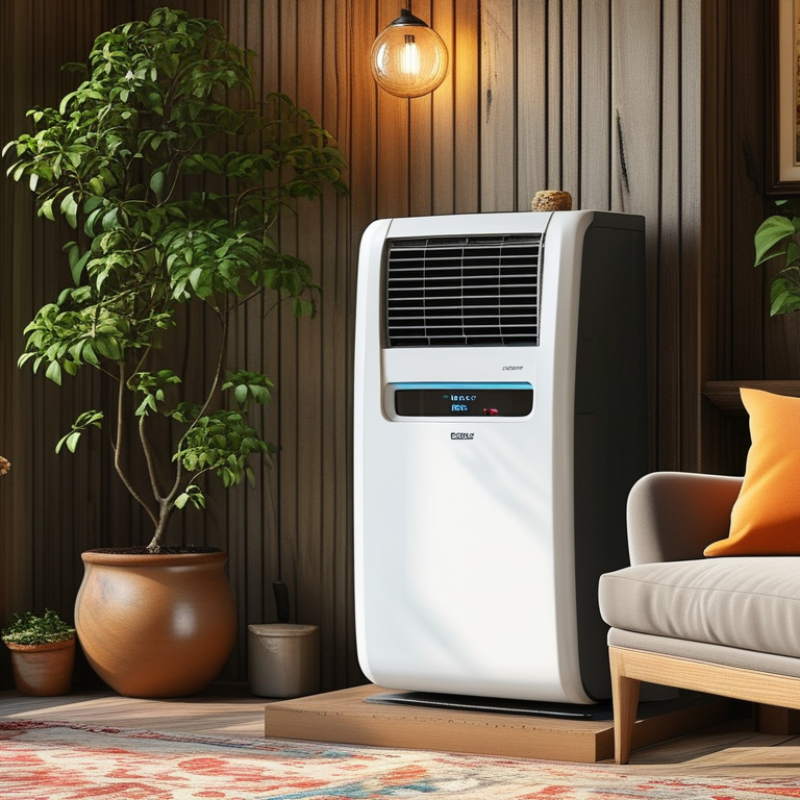
A heat pump split system includes an indoor unit and an outdoor compressor. This design allows for better space utilization and flexibility in installation.
The benefits are significant. Heat pump splits can reduce energy bills over time.
They also have a lower environmental impact compared to traditional heating systems.
However, their effectiveness can vary.
Factors like climate and insulation must be considered.
A unit that works well in one region may not perform the same way in another.
Installation can be tricky. It requires a professional to assess your home's specific needs.
DIY installations might seem appealing but can lead to inefficiencies.
Moreover, the balance between upfront costs and long-term savings is complex.
Understanding these nuances can guide your decision effectively.
Each detail matters in this process.
The right choice means better comfort and efficiency for your home.
Evaluating Your Home's Heating and Cooling Needs
When selecting the best heat pump split system, a thorough evaluation of your home's heating and cooling needs is essential. According to the U.S. Department of Energy, an efficient heat pump can reduce energy usage by 30-40%. Understanding your space can help make informed choices.
Start by assessing your home's square footage. Measure each room to determine its volume. This will affect the size and power of the heat pump you’ll need. Consider insulation, windows, and the layout. Poorly insulated homes may require more powerful models to maintain comfort.
Tip: Use a professional to conduct an energy audit. This can highlight areas for improvement. Also, calculate local climate factors; extreme temperatures will impact your choice.
Consider the SEER (Seasonal Energy Efficiency Ratio) and HSPF (Heating Seasonal Performance Factor) ratings. A higher rating usually indicates better efficiency. However, balance this with your budget; sometimes, the highest efficiency isn't necessary for mild climates.
Tip: Keep an eye out for available rebates or incentives. Energy vendors often provide financial assistance for choosing energy-efficient systems. Remember, every home's needs are different. What works for one might not suit another, so tailored assessments are crucial.
Key Features to Consider When Choosing a Heat Pump Split
Choosing the right heat pump split requires careful consideration of several key features. Energy efficiency is vital. Look for systems that have a high Seasonal Energy Efficiency Ratio (SEER). According to the U.S. Department of Energy, units with a SEER rating above 14 are considered energy efficient. This rating can significantly influence your energy bills.
Another important factor is the heating capacity, measured in British Thermal Units (BTUs). A system with incorrect BTU ratings may overheat or underheat your space. Research indicates that a proper-sized unit can maximize efficiency by up to 30%. It’s crucial to assess the size of your space before making a choice.
Don’t overlook installation requirements. Some systems may need extensive ductwork, which can add to the cost. Additionally, look for features like variable-speed compressors. These models provide consistent temperatures and lower energy consumption. Balancing these aspects will lead to a more informed decision.
Key Features to Consider When Choosing a Heat Pump Split
Comparing Different Types and Brands of Heat Pump Splits
When comparing different types of heat pump splits, understanding their characteristics is crucial. These systems vary in efficiency, capacity, and technology. For instance, inverter heat pumps adjust their speed based on demand, leading to significant energy savings. On the other hand, fixed-speed models operate at a constant level, which can lead to higher energy costs.
Brand reputation plays an important role. Researching consumer reviews and expert evaluations can guide your choice. Certain brands may have excellent warranties and customer service, which adds to reliability. However, don't overlook local installation expertise. The best equipment requires skilled installation for optimal performance.
It’s essential to evaluate your specific needs. Factors like room size, insulation quality, and local climate affect efficiency. A heat pump might seem appealing, but if it’s not suited for your environment, effectiveness diminishes. Additionally, some systems may be noisy or take longer to heat, which can be a drawback in residential settings. Always consider the balance between features and your unique requirements.
Installation and Maintenance Tips for Heat Pump Splits
When installing a heat pump split, consider the placement of both indoor and outdoor units. The outdoor unit should be away from obstructions. This allows for optimal airflow. Avoid spots near tall fences or dense shrubs. The indoor unit needs good air circulation. It should be positioned high on the wall for even distribution.
Maintenance is crucial for efficiency. Regularly clean or replace filters every month. This helps to maintain airflow and efficiency. Check the outdoor unit for debris or ice buildup. Remove any leaves or dirt to ensure proper function. Schedule professional check-ups yearly. Technicians can identify potential issues early.
Here are some practical tips: Always ensure the thermostat is functioning correctly. An inaccurate thermostat can lead to energy waste. Think about upgrading to a smart thermostat for better control. Inspect the insulation around ducts to prevent heat loss. Small details can make a big difference in performance.