Top Energy Efficient Heat Pump Options for Sustainable Home Heating?
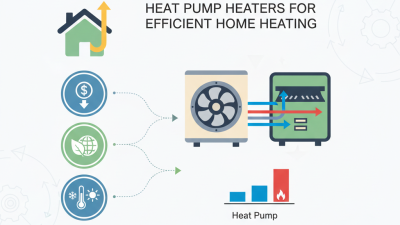
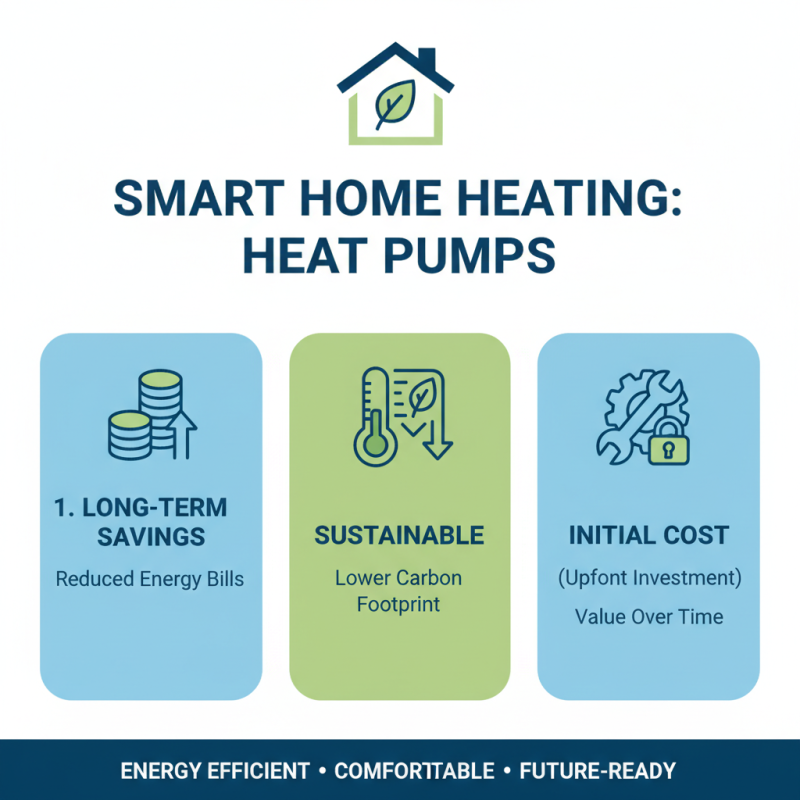
The pursuit of sustainability in home heating has never been more critical. As climate concerns grow, many homeowners seek solutions. One viable option is the Energy Efficient Heat Pump. These systems can reduce energy consumption by up to 50%, offering substantial savings.
According to the U.S. Department of Energy, heat pumps are gaining traction. They provide both heating and cooling, making them versatile. This dual function meets diverse needs while minimizing environmental impact. In 2021, about 12% of U.S. homes used heat pumps. However, a significant portion remains unaware of their benefits.
Yet, challenges persist. Installation costs can be high, and not all models are equally efficient. Selecting the right Energy Efficient Heat Pump requires research and reflection. Homeowners need to consider local climate, existing systems, and specific needs. Making informed choices can lead to better performance and savings over time.

Top Energy Efficient Heat Pump Technologies for Home Heating
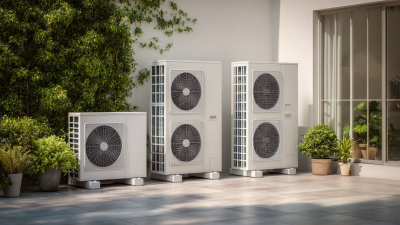
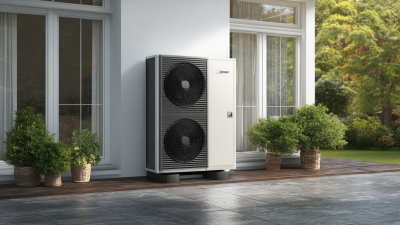
When considering energy-efficient heat pump technologies, several options stand out for sustainable home heating. Air-source heat pumps are popular and relatively easy to install. They draw heat from the outside air, even in chilly temperatures. These systems are best suited for moderate climates. Their efficiency tends to drop in extreme cold. Thus, homeowners in harsher areas may need additional backup heating.
Ground-source heat pumps, also known as geothermal systems, can be more effective in various climates. They extract heat from the ground, which maintains a stable temperature below the surface. The installation process is extensive, often requiring significant space. However, once installed, they provide reliable heating with low energy costs over time. They can also cool homes during the summer.
Another emerging option is the hybrid heat pump. These systems combine traditional heating methods with heat pumps. This flexibility allows homeowners to switch between different energy sources depending on efficiency. While this technology shows promise, it may complicate installation and maintenance. Finding the right fit for your home can also be a challenge. Each option presents unique benefits and drawbacks, and careful consideration is necessary.
Comparative Analysis of Heat Pump Types: Air Source vs. Ground Source
When considering sustainable home heating, the choice between air source and ground source heat pumps is crucial. Air source heat pumps are more affordable upfront. They utilize ambient air, making installation simpler. These systems can achieve efficiencies of 300% or more, as stated in the U.S. Department of Energy reports. However, efficiency decreases in extreme cold. This limitation may raise heating costs during winter months.
On the other hand, ground source heat pumps draw heat from the ground. They operate at a stable temperature, improving efficiency year-round. Reports indicate these systems can deliver efficiencies upwards of 400%. Installation is more complex, requiring significant land use for ground loops. This can be a limiting factor for smaller properties. Both systems have advantages yet present unique challenges.
Evaluating the specific heating needs and property conditions is essential. Air source heat pumps may suit milder climates better. Meanwhile, ground source options can excel in colder regions. User feedback shows satisfaction varies widely with each type. Choosing the right heat pump demands careful consideration of both cost and performance metrics.
Factors Influencing Heat Pump Efficiency: Climate, Installation, and Size
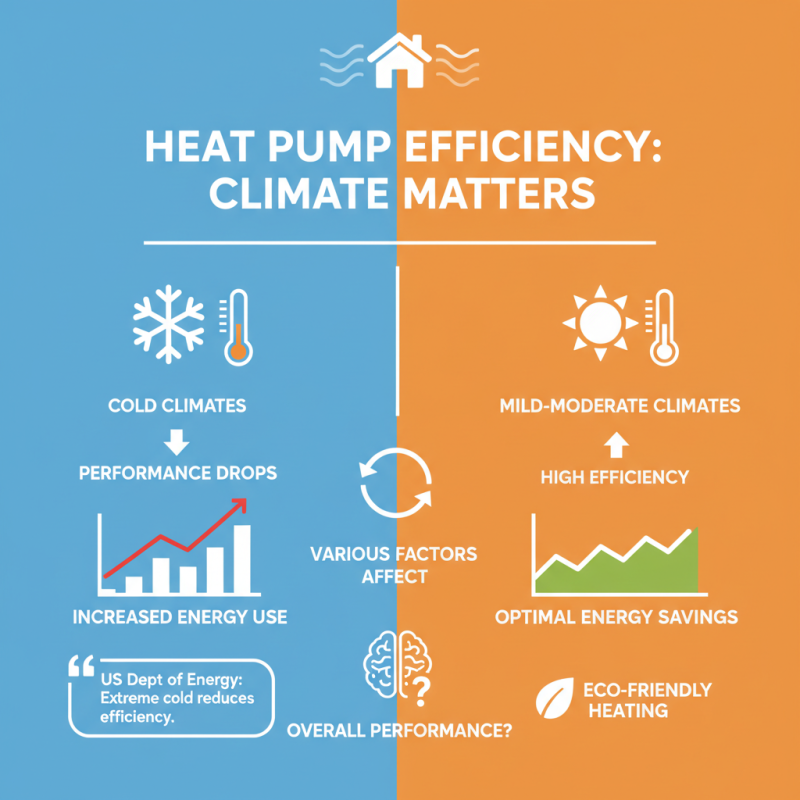
Heat pumps are recognized for their energy efficiency in home heating. However, various factors affect their overall performance. Climate plays a pivotal role. In colder regions, heat pumps may struggle to extract sufficient heat from the environment. A report by the U.S. Department of Energy notes that performance drops in extreme cold. This can lead to increased energy consumption, countering the efficiency benefits of heat pumps.
Installation quality is crucial. A poorly installed heat pump can reduce efficiency by up to 30%. The Energy Star program emphasizes proper sizing and placement to optimize airflow. If a unit is too small or too large, it can lead to inconsistent heating, higher energy use, and unnecessary wear. This highlights the importance of professional installation in achieving sustainability goals.
Size matters immensely. An oversized pump may short-cycle, leading to energy waste. Conversely, an undersized system won’t provide adequate heating. A study indicated that a correctly sized heat pump can save homeowners approximately 20%-40% on energy costs. This illustrates how essential it is to evaluate home heating needs carefully. Homeowners should prioritize these factors for optimal heat pump performance and energy savings.
Recent Advancements in Heat Pump Technology and Their Environmental Impact
Recent advancements in heat pump technology have significantly improved their energy efficiency. These systems now use innovative refrigerants, enhancing their performance in various climates. New designs also allow for easier installation, making them more accessible for homeowners. This evolution in technology reflects a growing commitment to sustainability and environmental responsibility.
Furthermore, many modern heat pumps are designed to minimize their environmental impact. They consume less electricity than older models, which can reduce greenhouse gas emissions. However, the production process of these units is still a concern. The materials used and the energy required for manufacturing can negate some of the ecological benefits.
While the future appears promising, challenges remain. Not all homeowners are aware of these advancements. Some may hesitate due to installation costs and unfamiliar technology. Educating the public about the latest heat pump options is crucial. Addressing misunderstandings can lead to wider adoption of these energy-efficient solutions. It’s essential to highlight both the benefits and the limitations as we move towards a sustainable energy future.
Top Energy Efficient Heat Pump Options for Sustainable Home Heating
| Heat Pump Type |
Coefficient of Performance (COP) |
Energy Efficiency Ratio (EER) |
Heating Capacity (BTU/h) |
Environmental Impact Rating |
| Air Source Heat Pump |
3.2 - 4.0 |
12 - 16 |
12,000 - 60,000 |
Low |
| Geothermal Heat Pump |
4.0 - 5.0 |
15 - 20 |
12,000 - 60,000 |
Very Low |
| Ductless Mini-Split Heat Pump |
3.5 - 4.5 |
13 - 18 |
9,000 - 36,000 |
Moderate |
| Hybrid Heat Pump |
3.0 - 4.2 |
12 - 15 |
10,000 - 50,000 |
Low |