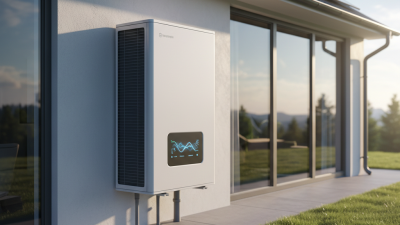
What is a Monoblock Air Conditioner and How Does it Work?
In the realm of climate control, the Monoblock Air Conditioner stands out as a popular choice for efficient cooling. Industry expert Dr. Emily Carter states, "Monoblock systems offer a balance of simplicity and effectiveness in air conditioning." These units come as a single, self-contained system, making installation straightforward. Homeowners often find them appealing due to their compact design and lower cost.
The Monoblock Air Conditioner operates by expelling hot air outside while circulating cool air indoors. This method is effective for various spaces, from homes to small offices. Yet, one must consider the limitations. Noise levels can be a concern, and efficiency may drop in extreme heat. It's essential to reflect on these factors when choosing a cooling solution.
As the demand for energy-efficient systems grows, understanding how a Monoblock Air Conditioner works becomes crucial. These units provide flexibility and adaptability in diverse environments. However, it’s important to weigh their advantages against potential drawbacks. A thoughtful approach ensures effective cooling while maintaining comfort in any setting.
What is a Monoblock Air Conditioner?
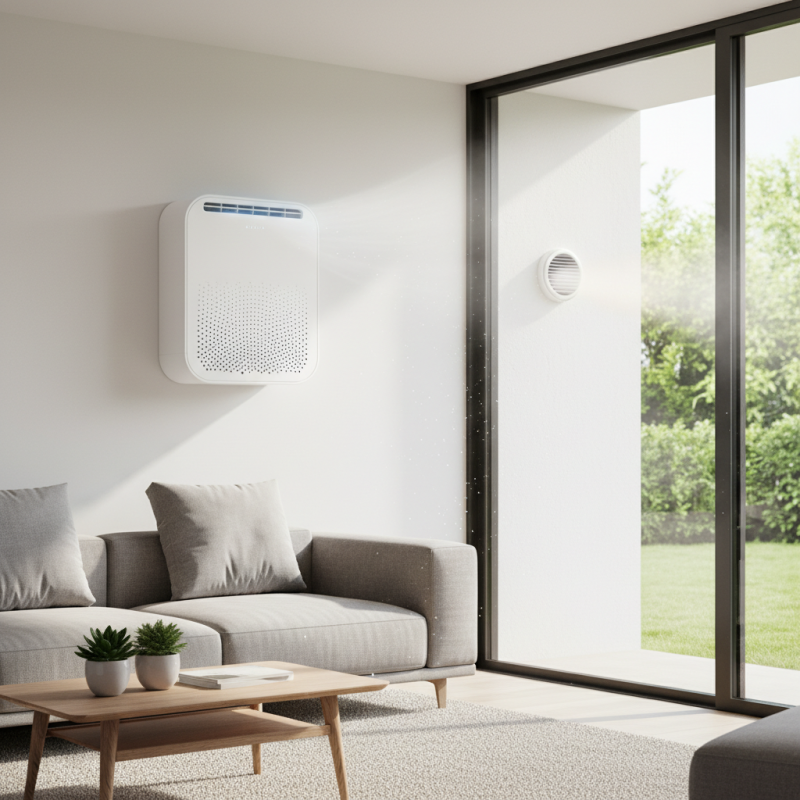
A monoblock air conditioner is a self-contained unit designed for efficient cooling. Unlike split systems, it combines all components in one package. This design simplifies installation and reduces space requirements. Typically, a monoblock unit can cool areas of up to 500 square feet, making it suitable for apartments or small offices.
Monoblock units work by using refrigerant to absorb heat from indoor air. This process cools the air and expels heat outside. The efficiency of these units is often measured by their Energy Efficiency Ratio (EER). Reports indicate that many monoblock air conditioners have an EER ranging between 10 and 14. This means for every watt of power, they provide 10 to 14 watts of cooling.
When considering a monoblock air conditioner, size matters. A unit too small can struggle, while a unit too large can lead to inefficiency. Monitor your usage and room size closely. Additionally, maintenance is key. Regularly cleaning filters can improve airflow and efficiency.
Remember, energy consumption can vary. For optimal performance, keep an eye on your energy bills. Sometimes, a lower initial cost doesn't mean better long-term savings. Choosing the right air conditioning system is crucial. Evaluate your needs carefully before making a decision.
Key Components of a Monoblock Air Conditioner
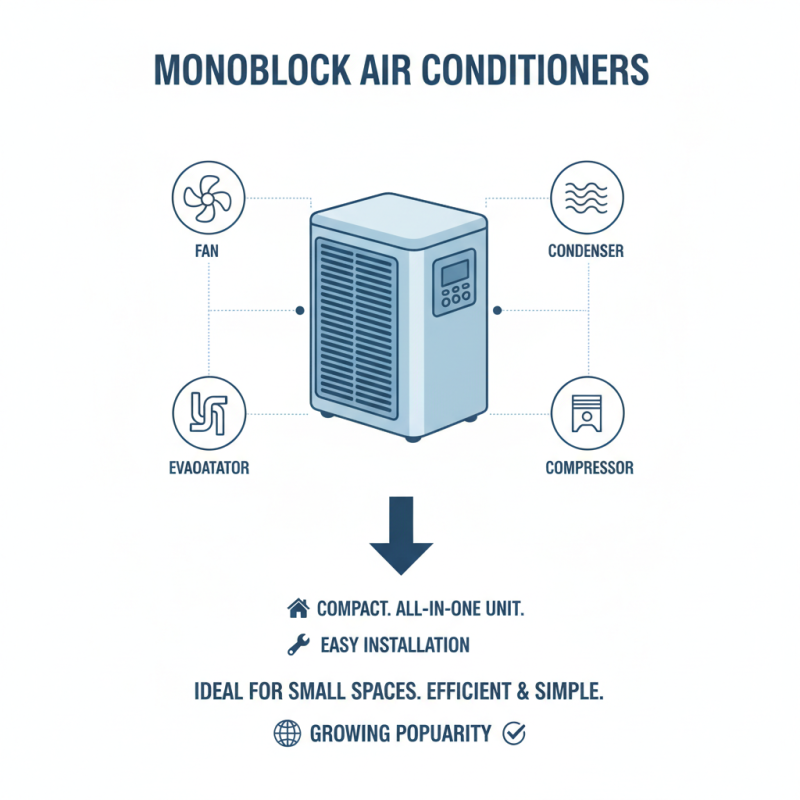
Monoblock air conditioners are compact cooling units. They integrate all components into one single unit, making installation easier. These systems typically consist of a compressor, condenser, evaporator, and fan—all packed in a single chassis. According to industry reports, monoblock units are gaining popularity in small spaces due to their efficiency and ease of use.
The compressor compresses refrigerant to absorb heat from the indoor air. This process cools the air that passes over the evaporator coil. The condenser then releases the absorbed heat outside. Fans play a crucial role in circulating cool air indoors and expelling warm air outdoors. They ensure an even temperature across the space.
**Tip:** Regular maintenance can significantly enhance efficiency. Clean the air filters every month to keep airflow optimal.
Some users might face challenges with noise levels. Monoblock units can be noisier than split systems. This factor is worth considering, especially in quiet environments.
**Tip:** Consider installing rubber pads under the unit. This may help reduce vibrations and noise.
Overall, while monoblock air conditioners provide great convenience, it's essential to weigh their pros and cons before deciding.
How a Monoblock Air Conditioner Operates
A monoblock air conditioner is a compact cooling unit. It combines all components in one single casing. This design makes installation simpler and requires less space. The unit usually sits on the ground or window.
So, how does it operate? When turned on, the monoblock system draws warm air from the room. The air passes over evaporator coils. These coils contain refrigerant that absorbs heat. The cooled air is then released back into the room. This process creates a comfortable indoor climate.
However, there are some aspects to consider. The unit may not be as efficient in larger spaces. Placement can impact performance. If too close to a wall, airflow may be restricted. Sometimes, they can be noisy. It’s worth reflecting on whether the monoblock suits your specific needs.
Advantages of Using a Monoblock Air Conditioner
Monoblock air conditioners are gaining popularity due to their unique design. They combine both cooling and heating functions in a single unit. This can save valuable space, especially in smaller homes. One major advantage is their simple installation. They don't require the exterior unit typically seen in split systems. Instead, they can be placed in a window or mounted on a wall, making them user-friendly.
Another advantage is their energy efficiency. Monoblock units often consume less power compared to traditional air conditioning systems. This can lead to lower electricity bills. They also offer a quick cooling or heating response. Many users appreciate the immediate comfort these units provide.
However, potential buyers should consider the noise levels. Some monoblock air conditioners can be louder than other types. This could be a factor in quiet environments. Additionally, the design may not suit all interior decors. Some users find the look a bit bulky. It's essential to evaluate both the pros and cons before making a choice.
What is a Monoblock Air Conditioner and How Does it Work? - Advantages of Using a Monoblock Air Conditioner
| Feature |
Description |
Advantages |
| Design |
Compact and all-in-one unit without outdoor compressor. |
Space-saving and aesthetically pleasing. |
| Installation |
Easy to install, often requiring no professional help. |
Cost-effective installation compared to split systems. |
| Cooling Capacity |
Effective cooling for small to medium-sized rooms. |
Sufficient cooling without the need for multiple units. |
| Energy Efficiency |
Modern models are designed for optimized energy consumption. |
Lower electricity bills and reduced environmental impact. |
| Maintenance |
Requires minimal maintenance due to its self-contained design. |
Less hassle and convenience for the user. |
Common Applications and Use Cases for Monoblock Air Conditioners
Monoblock air conditioners are gaining popularity for their versatility and ease of installation. They are compact units that house all components in a single casing. This design makes them ideal for spaces where traditional split systems may not be feasible. Offices, small retail shops, and residential units often benefit from this solution. They provide efficient cooling while saving valuable floor space.
Installation is straightforward. Many monoblock units can be placed in windows or walls without complex piping. However, they may require regular maintenance to ensure optimal performance. Dust can accumulate in filters, leading to reduced efficiency. Regular cleaning can extend the lifespan of the unit.
Tip: When selecting a monoblock air conditioner, consider the size of the space. A unit that is too small won’t cool effectively. One that is too large may waste energy.
These units also find use in temporary setups, such as events or construction sites. They are easily transported, making them a practical choice for unexpected heat waves. However, it’s important to be mindful of energy consumption. Some models can be power-hungry, especially if run continuously.
Tip: Always check energy ratings before purchase. A more energy-efficient model can save money in the long run. Consider your specific needs and measure your space thoughtfully.