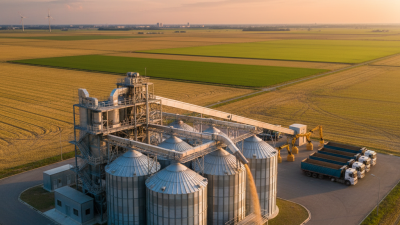
What is a Rice Dryer and How Does It Work?
The rice dryer industry plays a crucial role in ensuring the quality of harvested rice. According to the Global Rice Dryer Market Report 2023, the demand for efficient drying solutions is on the rise, driven by increasing production needs. An expert in agricultural engineering, Dr. Henry Liu, once stated, "The right drying process is key to preserving the grain's quality and market value."
Rice dryers utilize advanced technology to minimize moisture content effectively. This process prevents spoilage and enhances the storage life of rice. For instance, energy-efficient models reduce operational costs significantly. Nonetheless, challenges remain in technology adoption among small-scale farmers. Many lack access to the latest equipment or information.
Moreover, integrating smart features could enhance these machines further. AI-driven models, similar to what is seen in other industries, could optimize performance. Nonetheless, the industry must address the gap in knowledge and resources to capitalize on these advancements fully. The future of rice drying technology hinges on innovation and accessibility.
What is a Rice Dryer?
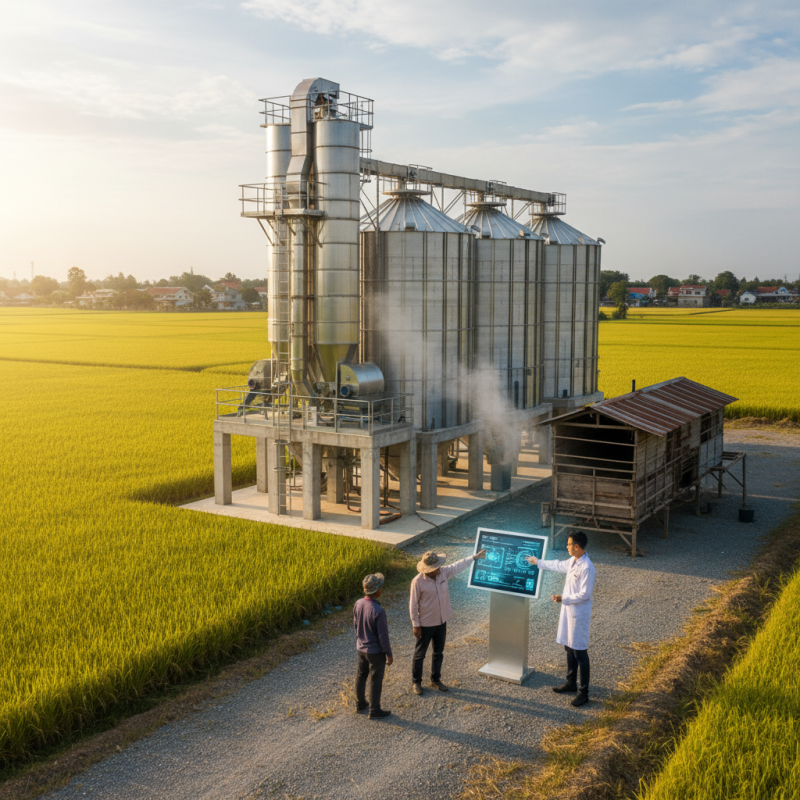
A rice dryer is a crucial tool in the agricultural sector. It helps farmers reduce the moisture content of harvested rice. Typically, rice needs to be dried to about 14% moisture for safe storage. This prevents spoilage and maintains quality. According to industry reports, efficient drying can enhance the shelf life of rice by up to 50%.
The working principle is straightforward. Hot air circulates through rice grains, absorbing moisture. There are different types of rice dryers, such as batch and continuous systems. Batch dryers are common in smaller farms, while larger operations might use continuous dryers. These systems generally operate on energy-efficient principles. However, some farmers still face challenges with uneven drying, which can lead to quality issues.
Improper drying can cause major losses. Research shows that an estimated 30% of harvested rice can be lost due to inadequate drying methods. That is significant. Many farmers overlook calibration settings for optimal drying temperatures. This inconsistency affects the final yield. Ensuring proper usage of rice dryers remains a challenge in the industry.
The Importance of Drying Rice for Preservation
Drying rice is crucial for its preservation. When rice is harvested, it contains a significant amount of moisture. If this moisture is not removed, the rice can spoil quickly. Mold and bacteria thrive in damp conditions. This can lead to waste and economic loss for farmers.
A rice dryer helps in this process. It uses controlled heat and airflow to reduce moisture content. Ideal moisture levels extend the rice's shelf life. However, if the drying is not done properly, it can result in uneven drying. Some grains may remain too moist. This can induce spoilage and affect overall quality.
Different drying methods exist, but each has its drawbacks. Sun drying is natural but weather-dependent. Mechanical dryers are efficient but can be costly. Proper technique is vital. Producers need to strike a balance to avoid pitfalls, ensuring their rice stays fresh for consumption.
Principles of Rice Drying Technology
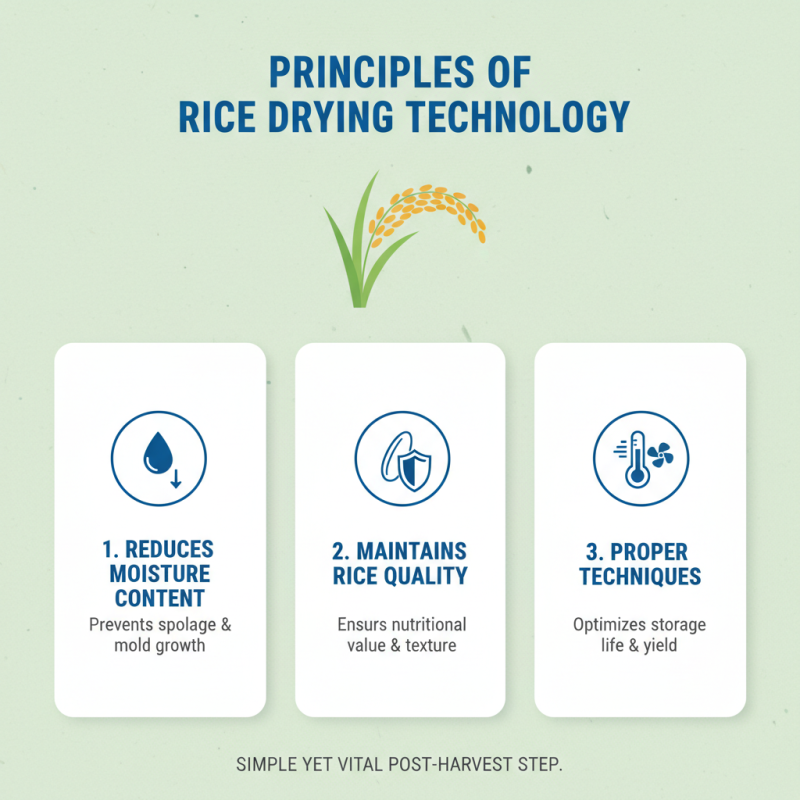
Rice drying is a crucial step in post-harvest processing. It reduces moisture content, preventing spoilage. Proper drying ensures that rice retains its quality over time. The principles of rice drying technology are simple yet vital.
Heat is applied to the rice, increasing the evaporation of moisture. The drying process can be influenced by various factors. Airflow, temperature, and humidity all play a role. For instance, higher temperatures speed up drying but may damage the rice. Balancing these factors is essential for optimal results.
Different methods of drying exist, including sun drying and mechanical drying. Sun drying is cost-effective but weather-dependent. Mechanical dryers provide more control over the process but require investment. Each method has its advantages and drawbacks. Finding the right balance is often a trial-and-error process.
Types of Rice Dryers and Their Mechanisms
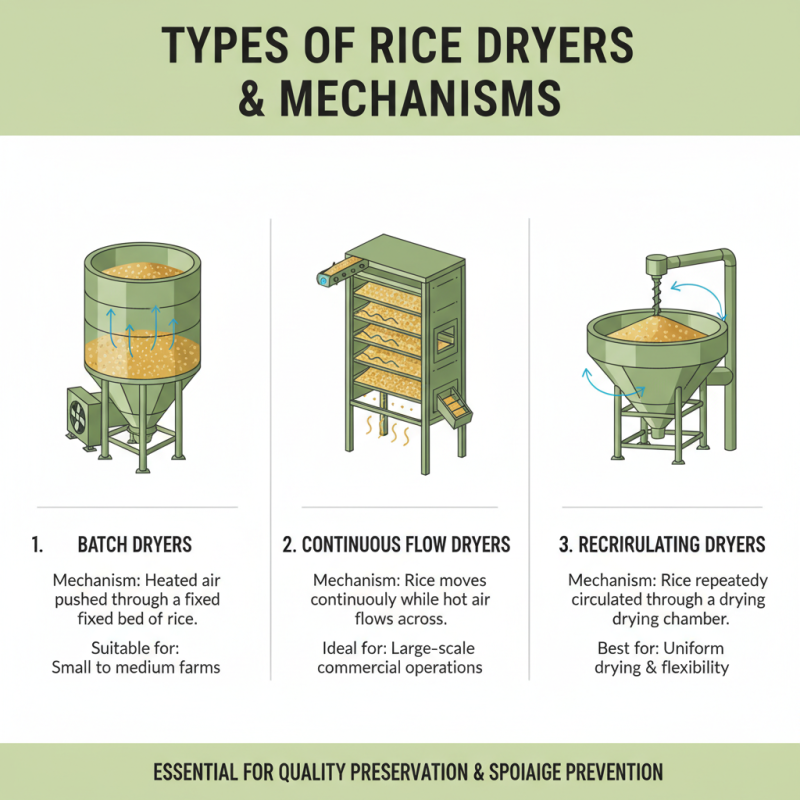
Rice dryers are essential in modern agriculture. They help reduce the moisture content in harvested rice. This process is crucial for preserving quality and preventing spoilage. Different types of rice dryers operate with varied mechanisms, each suited for specific agricultural needs.
Batch dryers are common in small-scale operations. They heat rice in batches, allowing for efficient moisture removal. According to industry reports, about 40% of rice drying is done using batch systems. On the other hand, continuous dryers are more efficient for larger harvests. They offer a steady flow of rice through the dryer, which minimizes downtime. Continuous dryers account for roughly 60% of the market.
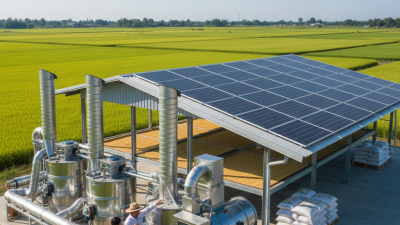
Solar dryers are another type worth mentioning. They use solar energy, making them environmentally friendly. However, their effectiveness depends on weather conditions. In regions with low sunlight, reliance on solar dryers can be problematic. As the rice industry evolves, the challenge remains to optimize drying methods. Balancing efficiency and sustainability is key. Insights from recent studies suggest integrating advanced technology into these systems can enhance overall effectiveness.
Key Factors Affecting Rice Drying Efficiency
Efficient rice drying is influenced by several key factors. Temperature plays a significant role. Higher temperatures can speed up the drying process, but if too high, they can damage the rice. According to reports, optimal drying temperatures range from 40°C to 60°C. This range maintains grain quality and reduces the risk of spoilage.
Humidity is another critical factor. A study indicated that ideal relative humidity levels should be around 15% during drying. If humidity is too high, rice may not dry properly, leading to increased mold risk. Conversely, low humidity can lead to overly rapid drying, causing cracks in the grains. Monitoring both temperature and humidity is vital for effective drying.
Airflow is just as vital. Adequate airflow ensures uniform drying. Uneven airflow can cause some grains to remain wet, which can create quality issues. Furthermore, stale air can impede the drying process. Regularly cleaning and maintaining drying equipment helps improve airflow. It's essential to review these factors continuously for better drying outcomes.