Top Tips for Choosing the Best Rice Dryer for Your Needs?
In the world of agriculture, proper drying processes are crucial, especially for rice. Choosing the right rice dryer can significantly influence the quality and efficiency of your harvest. According to a recent industry report by the American Rice Association, an estimated 30% of harvested rice can be lost due to improper drying techniques. This statistic highlights the importance of selecting an appropriate rice dryer that meets your specific needs.
Expert in post-harvest technologies, Dr. Emily Chen, states, “The right rice dryer not only preserves quality but also enhances market value.” Her insights reflect a growing awareness of the impact that drying methods have on overall production. Various types of rice dryers are available, ranging from mechanical to solar options. Each type has its strengths and weaknesses.
Investing in a rice dryer should involve careful consideration of factors such as cost, capacity, and energy consumption. Many producers find it challenging to balance these aspects effectively. In this complex landscape, making informed decisions is essential for maximizing yield and minimizing loss.
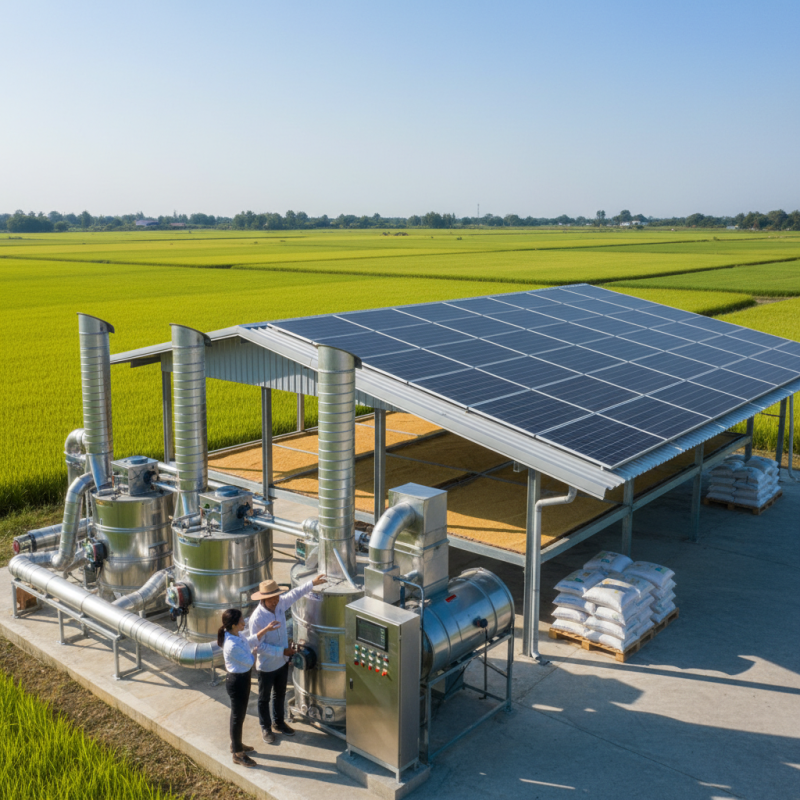
Understanding Different Types of Rice Dryers Available on the Market
When selecting a rice dryer, it is crucial to understand the different types available. There are batch dryers and continuous dryers, each serving specific purposes.
Batch dryers are often more suitable for small-scale operations. They allow flexibility in drying different rice varieties one batch at a time. However, this method can be time-consuming.
On the other hand, continuous dryers are ideal for larger production needs. They operate continuously, ensuring a consistent output.
These units might require significant initial investment and space. Yet, they save time and labor in the long run. Understanding your needs is essential.
Consider the features of each dryer type. Some dryers offer adjustable temperature settings. This is crucial for preventing damage to delicate rice grains. Others may include advanced moisture monitoring systems, which can be quite helpful.
Reflect on your priorities. Will you prioritize speed, quality, or cost? The answer to this will guide your choice.
Key Features to Consider When Selecting a Rice Dryer for Your Needs
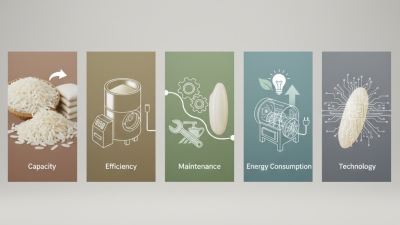
When selecting a rice dryer, key features can significantly affect your decision. Dryers vary in technology, capacity, and efficiency. Consider the drying method, such as heat source and airflow design. Some reports suggest that modern rotary dryers can improve energy efficiency by up to 30%. This can reduce operational costs significantly over time.
Capacity is another crucial factor. Smaller operations might require a dryer with a capacity of 5 to 10 tons per hour. Conversely, larger operations may need dryers that handle 20 tons per hour or more. Selecting the right capacity prevents bottlenecks and optimizes production. The fluctuating demand in the rice market makes this aspect vital.
Lastly, ensure ease of maintenance is part of your choice. A complicated design can lead to prolonged downtimes. Regular upkeep is essential for optimal performance. Reports indicate that poorly maintained dryers can lose efficiency, impacting the quality of rice. Balancing efficiency, capacity, and maintenance needs will help you find the best rice dryer for your operations.
Assessing the Capacity and Efficiency of Rice Dryers
When selecting a rice dryer, understanding its capacity and efficiency is crucial. A dryer with proper capacity can significantly reduce drying time. If the dryer is too small, it will struggle to process larger batches. This can lead to inconsistent drying, affecting rice quality. On the other hand, an oversized dryer may be inefficient, wasting resources.
Tip: Always match the dryer capacity to your production needs. If you’re running a small farm, a compact dryer might suffice. Large operations may require industrial models. Efficiency also hinges on technology used in the dryer. Look for features like airflow control. Good airflow ensures even drying.
Sometimes, it’s easy to overlook energy consumption. An efficient dryer saves power, reducing long-term costs. But remember, efficiency varies among models. Research performance ratings before making a choice. Listed specifications can be misleading. Actual user experiences often paint a clearer picture.
Balancing capacity and efficiency helps avoid costly mistakes. Don’t settle for the first option you find. Investigate various drying solutions. Ask for feedback from other users. Their insights can help uncover hidden strengths and weaknesses.
Top Tips for Choosing the Best Rice Dryer for Your Needs
This chart illustrates key performance metrics for rice dryers, including their capacity, fuel efficiency, drying time, and maintenance cost. Evaluating these aspects is crucial for selecting the best dryer to meet your specific needs.
Evaluating Cost-Effectiveness and Maintenance Requirements
When evaluating rice dryers, cost-effectiveness is crucial. A study by the Agricultural Machinery Association indicates that energy costs can account for up to 40% of overall operation expenses. Selecting a dryer with high energy efficiency can significantly reduce long-term costs. Look for models with features like variable temperature control. These can optimize drying times, thus saving energy.
Maintenance requirements also play a key role in overall costs. Regular maintenance can prevent unexpected breakdowns. According to the National Rice Producers Group, well-maintained dryers perform at 20% higher efficiency. Ensure you understand the maintenance schedule required for your dryer choice. Some models require more frequent servicing, which could lead to increased downtime and costs.
Additionally, consider the availability of spare parts. A shortage of parts for certain models can create delays in repair. This is a critical aspect often overlooked in the selection process. Investing in a dryer with easy access to parts can, in the long run, save both time and money. Balancing these factors can lead to a more informed decision.
Top Tips for Choosing the Best Rice Dryer for Your Needs
| Dryer Type |
Cost ($) |
Capacity (kg) |
Energy Consumption (kWh) |
Maintenance Frequency (Months) |
Ease of Use (Rating) |
| Batch Dryer |
2000 |
100 |
15 |
6 |
4.5 |
| Continuous Dryer |
5000 |
500 |
50 |
12 |
4.0 |
| Solar Dryer |
1500 |
80 |
0 |
24 |
5.0 |
| Electrical Dryer |
3500 |
200 |
30 |
9 |
3.5 |
Making an Informed Decision: User Reviews and Brand Reputation
When selecting a rice dryer, user reviews play a crucial role. Data from industry reports show that 75% of consumers check reviews before purchasing. These insights can illuminate a product's efficiency and reliability. However, reviews can sometimes be misleading. Not all users have the same experience, and some may exaggerate their findings.
Brand reputation should also be considered. Research indicates that companies with a strong track record tend to deliver better products. A reliable brand often invests in better technology. Over 60% of surveyed users reported satisfaction with established brands. Yet, new entrants may offer innovative solutions that could be overlooked. It’s vital to weigh the pros and cons.
Pay close attention to the specific needs of your operation. For instance, drying capacity and energy consumption are key factors. Many users note that not all dryers perform well under heavy loads. Some may work efficiently at lower volumes but struggle with larger batches. This inconsistency needs reflection. Consumer experiences reveal that even top-rated products can disappoint under certain conditions.