Top Energy Efficient Heat Pump Options for Your Home?
In today's world, energy efficiency is more crucial than ever. Homeowners are looking for effective ways to reduce energy costs and minimize their carbon footprint. One solution gaining popularity is the Energy Efficient Heat Pump. These systems can significantly lower heating and cooling expenses while being environmentally friendly.
Different types of energy-efficient heat pumps are available on the market, and choosing the right one can be daunting. Some offer remarkable performance, but they may not suit every home. Size, installation, and climate play key roles in determining the best fit.
Investing in the right heat pump can be challenging. Often, homeowners may overlook specifics like efficiency ratings or long-term savings. It’s essential to research and reflect on personal needs. The decision should blend comfort, efficiency, and practicality. Through careful consideration, you can find a heat pump that truly enhances your home’s energy efficiency.
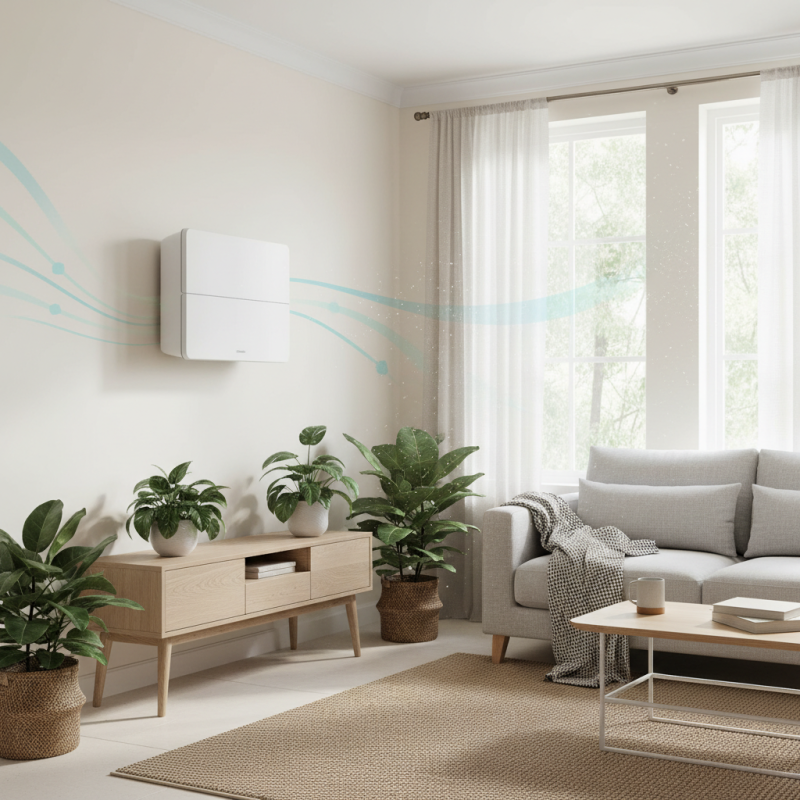
Key Types of Energy Efficient Heat Pumps for Home Use
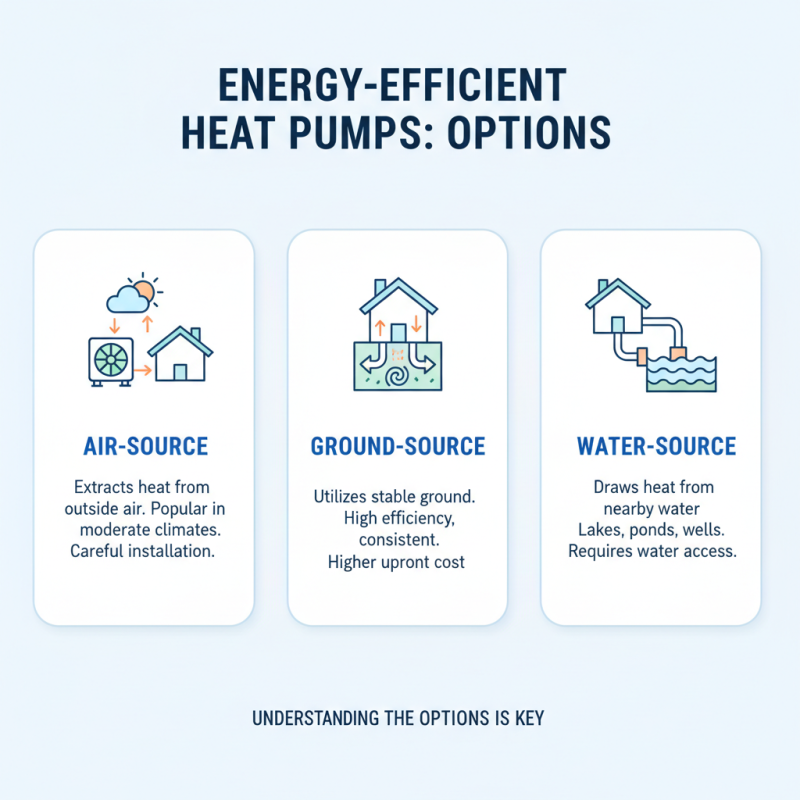
When considering energy-efficient heat pumps, understanding the options is key. There are primarily three types to explore: air-source, ground-source, and water-source heat pumps. Each type has unique features. Air-source units extract heat from the outside air. They are popular in moderate climates. They require careful installation for maximum efficiency.
Ground-source options, also known as geothermal, dig deep into the earth. They utilize stable underground temperatures. These systems can be more expensive upfront but save significantly on energy bills. Water-source pumps use nearby bodies of water. They can be quite efficient, but location is a constraint. The choice depends on various factors like climate, installation space, and budget.
It's important to weigh the pros and cons of each type. Research is crucial for making an informed decision. Each heat pump may offer different performance levels. Consider the long-term benefits. Maintenance can also be challenging depending on the system. Simple tweaks might be necessary for optimal functioning. The journey to energy efficiency requires thoughtful reflection and planning.
Factors to Consider When Choosing a Heat Pump for Your Home
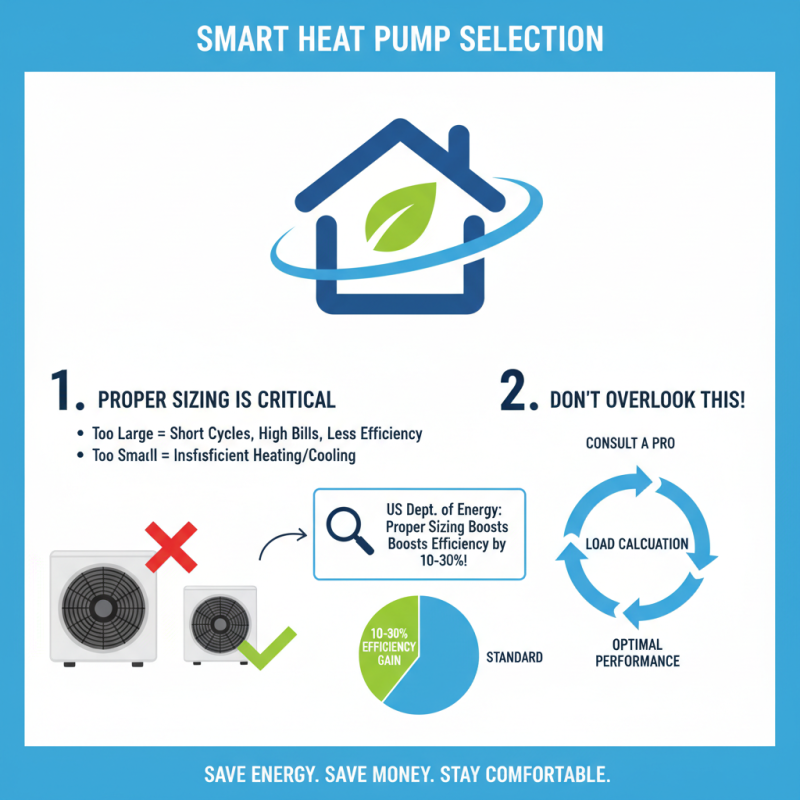
When selecting a heat pump for your home, several factors play a vital role. The size of the heat pump is critical. A unit that’s too large will cycle on and off frequently. This can lead to higher energy bills, reducing efficiency. According to the U.S. Department of Energy, proper sizing can enhance efficiency by 10-30%. This aspect often gets overlooked.
Another important factor is the heat pump's coefficient of performance (COP). A heat pump with a higher COP provides more heating output per unit of electricity consumed. The average COP ranges from 2.5 to 4.0, indicating varying degrees of efficiency. Research indicates that a unit with a COP of 4.0 can save homeowners up to 60% on heating costs compared to traditional systems.
Installation quality should not be neglected either. Poor installation can negate energy savings. In fact, a report by the American Society of Heating, Refrigerating and Air-Conditioning Engineers suggests that inadequate installation can reduce efficiency by up to 30%. Moreover, local climate can influence your choice. Heat pumps perform differently in varying temperatures. This requires careful consideration for optimal performance.
Benefits of Energy Efficient Heat Pumps Compared to Traditional Systems
When comparing energy-efficient heat pumps to traditional systems, the advantages become clear. Heat pumps use less energy. They transfer heat instead of generating it. This method results in lower utility bills and less environmental impact.
Heating and cooling a home can be expensive. Traditional systems often rely on fossil fuels, which can drive up costs. In contrast, heat pumps can operate efficiently in various temperatures. They are designed to provide consistent comfort without excessive energy use.
Many homeowners might overlook initial installation costs. Yes, they can be higher than traditional units. However, the savings over time often outweigh the upfront investment. Heat pumps also require less maintenance, reducing long-term hassles. It's essential to consider energy efficiency when planning upgrades. The right choice now can lead to significant benefits later.
Installation and Maintenance Tips for Optimal Heat Pump Performance
When considering heat pumps for your home, installation and maintenance are key. Proper installation ensures efficiency. An ideal location for your unit is crucial. It should not be obstructed by trees or buildings. This maximizes airflow. The ground must be level. If it isn't, vibrations may occur. Such vibrations can lead to noise and inefficiency.
Maintaining your heat pump is equally important. Regularly check and clean the filters. Dirty filters reduce airflow and increase energy costs. Inspect the outdoor unit for debris. Leaves and dirt can block airflow and damage the system. It's worth noting that many homeowners neglect these simple tasks. This oversight leads to issues down the line.
Always keep an eye on the thermostat. Setting it properly will enhance performance. Some users place it too high or too low. This can cause unnecessary energy consumption. Monitor the unit’s performance often. If you notice unusual sounds, investigate. Early detection can save money and ensure efficient heating. Stay proactive to avoid common pitfalls.
Top Energy Efficient Heat Pump Options for Your Home
| Heat Pump Type |
Efficiency Rating (SEER) |
Installation Cost ($) |
Annual Operating Cost ($) |
Lifespan (Years) |
Maintenance Frequency (Years) |
| Air Source Heat Pump |
15-20 |
3,500 - 7,500 |
1,000 - 2,000 |
15 |
1-2 |
| Geothermal Heat Pump |
20-30 |
10,000 - 25,000 |
500 - 1,200 |
25 |
3-5 |
| Ductless Mini-Split Heat Pump |
15-25 |
2,000 - 6,000 |
600 - 1,500 |
20 |
1-2 |
| Hybrid Heat Pump |
16-22 |
4,000 - 8,000 |
800 - 1,800 |
18 |
1-2 |
Understanding the Cost-Benefit Analysis of Heat Pumps for Homeowners
Heat pumps are an attractive option for homeowners looking to increase energy efficiency. They can heat or cool your home by transferring heat instead of generating it. This process can lead to significant savings on energy bills. However, the initial installation cost can be daunting. Homeowners must weigh these costs against long-term savings.
Consider installation expenses, which often range from moderate to high. Additionally, local climate plays a crucial role in overall efficiency. In milder climates, heat pumps can offer impressive savings. Yet, in extreme conditions, they may struggle, leading to higher energy usage. It's essential to assess your home's insulation as well. Good insulation can enhance the heat pump's efficiency, lowering energy costs.
Many homeowners experience uncertainty about their return on investment. While energy savings accumulate over time, the payback period can be lengthy. A careful analysis of energy usage patterns can help determine the best options. Remember, the decision should align with your budget and future plans for your home. Balancing upfront costs with long-term benefits is key to making an informed choice.