Top Heat Pump Heater Benefits and How to Choose the Right One?
Heat Pump Heaters are transforming the way we think about home heating and cooling. As energy prices rise, homeowners seek efficient alternatives. According to the U.S. Department of Energy, heat pump systems can reduce energy use by up to 50% compared to traditional heating methods. This significant reduction can lead to substantial cost savings over time.
Selecting the right Heat Pump Heater requires careful consideration. Factors like climate, home size, and insulation play crucial roles in determining efficiency. In colder climates, air-source heat pumps perform differently than ground-source systems. Additionally, the choice between a ducted and ductless model can significantly impact comfort levels and installation costs.
With advancements in technology, more options are available than ever before. However, these choices can also lead to confusion. Homeowners must evaluate their needs and preferences clearly. A focused approach can help avoid common pitfalls, ensuring the right fit for both budget and lifestyle.
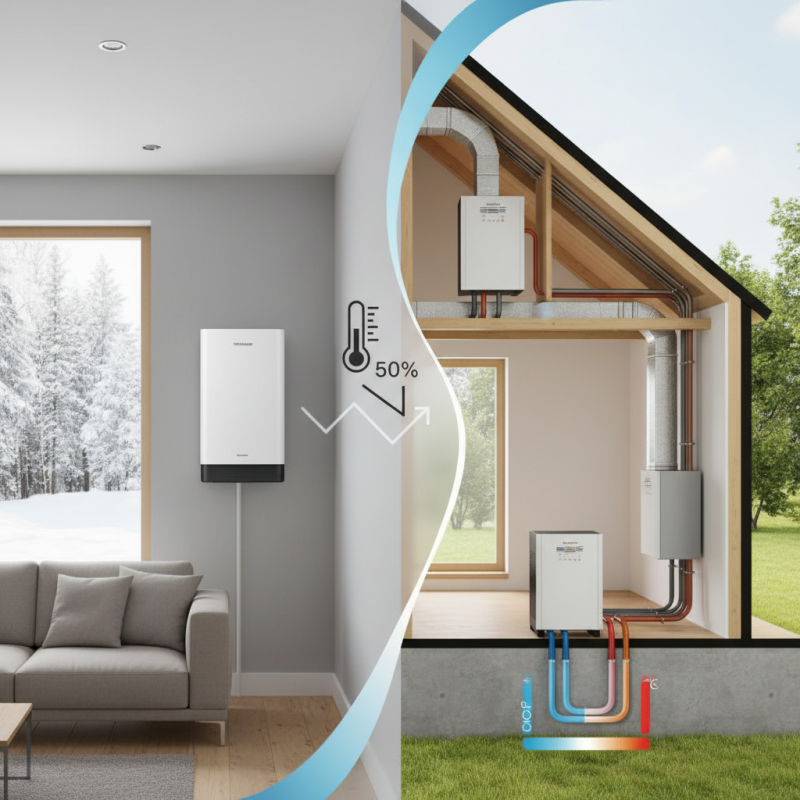
Key Advantages of Using Heat Pump Heaters
Heat pump heaters are gaining popularity due to their efficiency and eco-friendly features. According to the U.S. Department of Energy, heat pumps can be 3-4 times more efficient than traditional heating systems. This means they use less energy, which leads to significant cost savings on utility bills. In fact, homeowners can save between 30-60% on heating costs compared to standard electric resistance heating.
Beyond savings, heat pump heaters also improve indoor air quality. They work by circulating air and filtering out pollutants. This is especially beneficial for those with allergies or respiratory issues. According to a study by the Environmental Protection Agency, proper ventilation can reduce indoor air pollutants by up to 50%.
Yet, there are considerations to keep in mind. Performance can drop in extremely cold climates. In such cases, backup heating systems might be necessary. Additionally, installation costs can be higher upfront than traditional systems. However, the long-term benefits tend to outweigh these initial hurdles. Energy efficiency is not just a trend; it’s a step toward sustainability.
Comparison of Heat Pump Heaters with Traditional Heating Systems
Heat pump heaters are gaining traction as a more efficient alternative to traditional heating systems. According to the U.S. Department of Energy, heat pumps can deliver up to three times more heat energy than the electrical energy they consume. This remarkable efficiency can lower your energy bills significantly. While traditional systems typically convert fuel into heat, heat pumps simply move heat from one place to another. This gives them a distinct advantage in many climates.
However, heat pump systems are not without their challenges. Their effectiveness can diminish in extremely cold temperatures, requiring a backup system. An industry study noted that in regions with temperatures below 30°F, some models struggle to maintain efficiency. Additionally, installation and maintenance costs can be higher than conventional systems. A proper assessment of your home’s heating needs is crucial here. Homeowners must align their choices with local climate conditions and their specific requirements.
While heat pumps provide substantial benefits, they also bring reflection points. For example, their reliance on electricity raises questions about sustainability, especially in areas where energy comes from non-renewable sources. Furthermore, the complexity of their systems may require more specialized knowledge during installation and upkeep. Therefore, examining both the benefits and the potential drawbacks is essential when considering this investment.
Essential Factors to Consider When Choosing a Heat Pump Heater
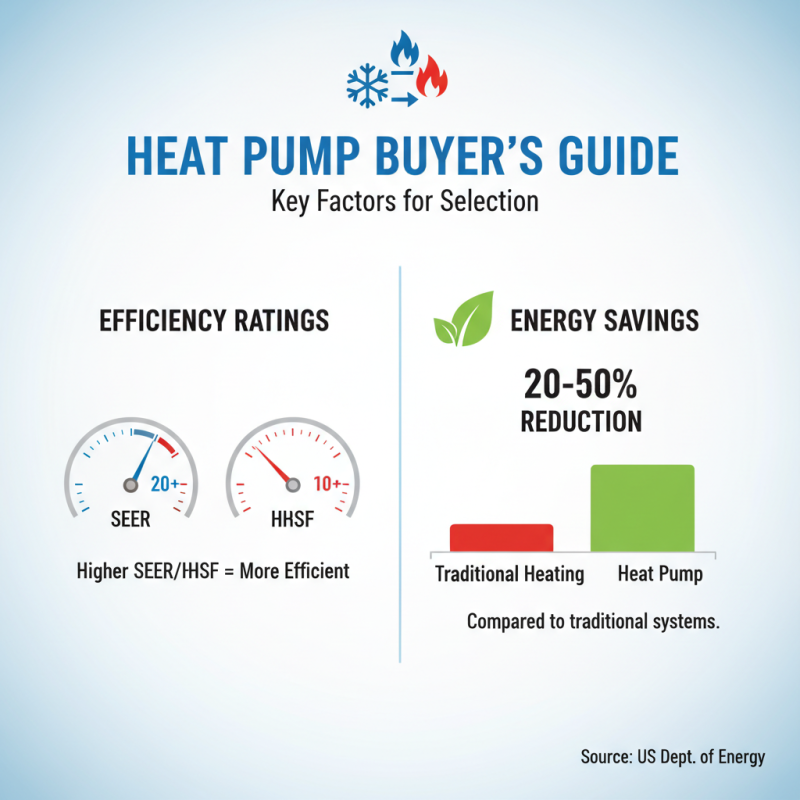
When selecting a heat pump heater, consider several essential factors. Efficiency ratings are crucial. The Seasonal Energy Efficiency Ratio (SEER) and Heating Seasonal Performance Factor (HSPF) indicate how well the unit performs. A higher SEER or HSPF means better efficiency. According to the U.S. Department of Energy, heat pumps can reduce energy usage by 20% to 50% compared to traditional heating systems.
Sizing is another critical element. A model that's too small will struggle to heat your space. Conversely, an oversized unit can lead to frequent cycling. This might impact its performance and longevity. To get it right, use a Manual J calculation. This method evaluates the home's insulation, windows, and orientation.
Consider your climate. In warmer areas, heat pumps can work efficiently year-round. However, in regions with extreme cold, they may need backup heating sources. Research indicates that in sub-zero conditions, some heat pumps lose efficiency. Additionally, check noise levels. Some units operate quietly, while others can be disruptive. The right choice can enhance your overall comfort and energy savings.
Types of Heat Pump Heaters and Their Specific Applications
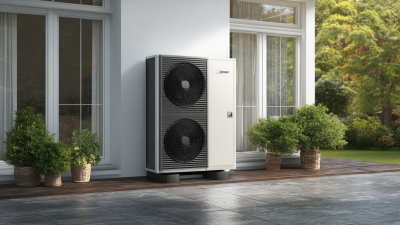
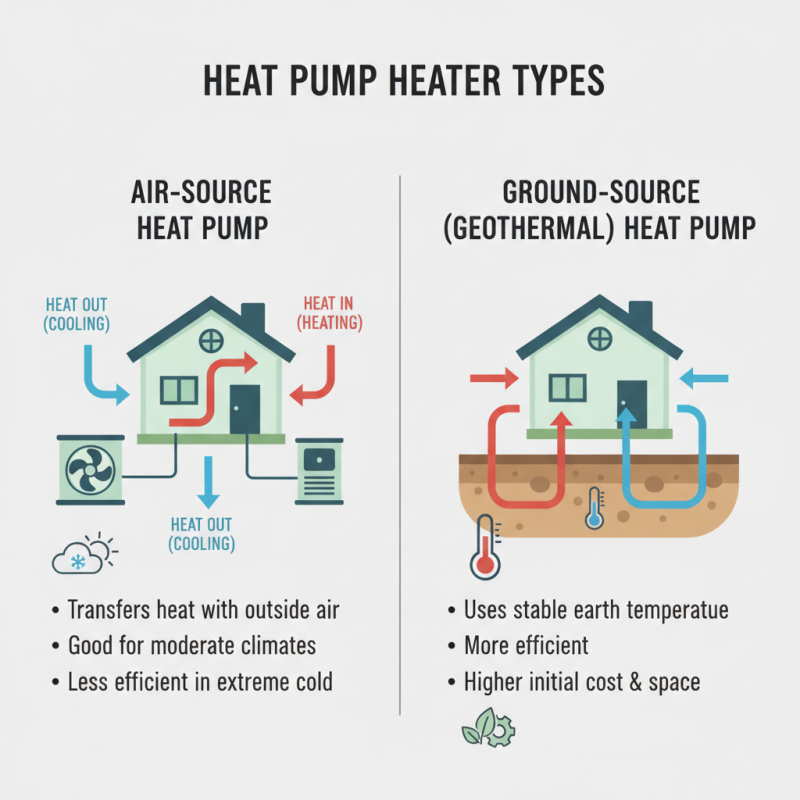
When considering heat pump heaters, understanding the types available is crucial. Air-source heat pumps are popular for residential use. They transfer heat between your home and the outside air. This model works well in moderate climates. However, it may struggle in extremely cold temperatures. Ground-source heat pumps, or geothermal systems, tap into the earth's stable temperature. They can be more efficient but often require more initial investment and space.
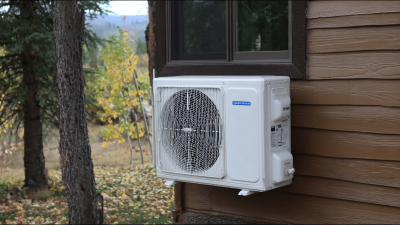
Ductless mini-split systems are another option. They provide flexibility in heating individual rooms. If your home lacks ductwork, this is a practical solution. It can be less invasive than traditional systems. Yet, installation can be complex. Make sure to assess your home’s layout before deciding.
Tips: Always evaluate your local climate. It plays a significant role in the efficiency of the heat pump. Don't rush your choice, as each type has unique benefits. Research thoroughly to find what aligns best with your heating needs. Remember, what works for one home may not work for another. Your choice impacts comfort and energy consumption.
Installation and Maintenance Tips for Optimal Heat Pump Performance
When considering a heat pump heater, installation is crucial. Proper placement can enhance efficiency. Ensure that the outdoor unit is not obstructed. Clear any debris around it. Position it in a shaded area if possible. This can improve its performance during hot days. Now, let’s talk about the indoor installation. The indoor unit should be placed in a central location. This helps distribute heat evenly throughout the space.
Maintenance is equally vital for optimal performance. Regularly check and clean the filters. Clogged filters reduce efficiency. It’s a simple task but often overlooked. Additionally, inspect the ducts for blockages. Even small obstructions can hinder airflow. You may need a professional to assess the system every few years. This can prevent costly repairs later on.
Lastly, keep an eye on your system’s performance. Unusual noises or inconsistent temperatures may signal a problem. Don't dismiss these signs. Early detection can make all the difference. In conclusion, being proactive with installation and maintenance can extend the life of your heat pump heater.