Top 10 Vegetable Dryer Machine Benefits You Should Know?
In the modern food industry, the importance of a Vegetable Dryer Machine cannot be overstated. These innovative machines provide a method to preserve the nutritional value of vegetables while extending their shelf life. According to the Food and Agriculture Organization, proper drying processes can retain up to 90% of essential vitamins and minerals. With growing consumer demand for healthy and convenient foods, the role of such machines is more critical than ever.
Data indicates that the global market for vegetable drying technology is expected to grow at a CAGR of 8.5% from 2022 to 2030. This growth points to increasing investment in high-efficiency Vegetable Dryer Machines across various sectors. However, not all machines perform equally, and choosing the right type can be challenging. Issues like uneven drying and energy consumption remain areas for improvement.
Understanding the benefits of a Vegetable Dryer Machine can greatly influence production efficiency and product quality. While these machines can optimize operations, they also present challenges, including maintenance and cost considerations. As the industry evolves, it’s essential to examine these factors closely to ensure optimal performance and meet consumer demands effectively.
Benefits of Using Vegetable Dryer Machines for Preservation
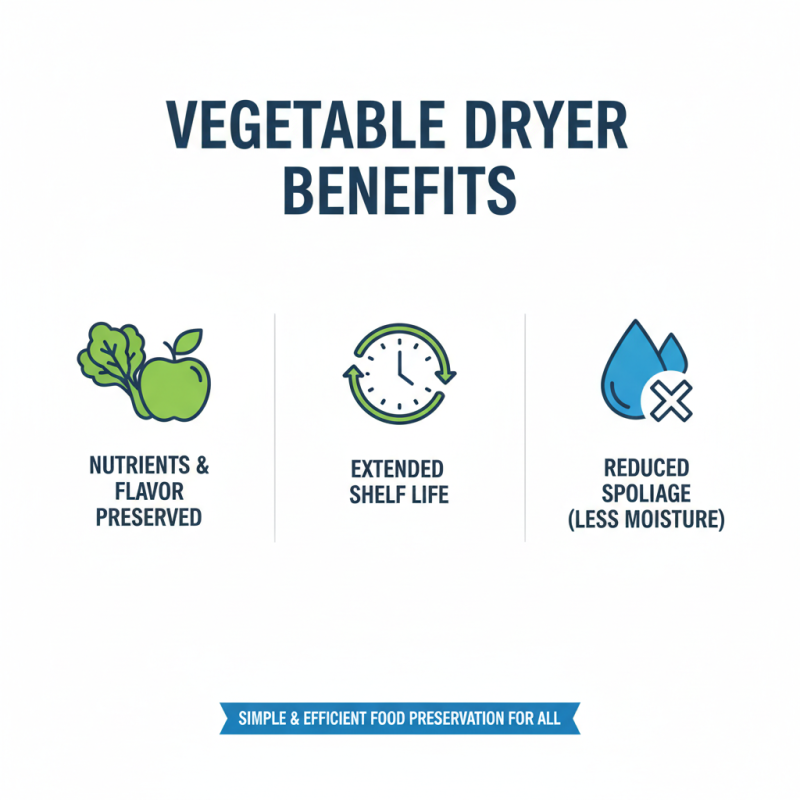
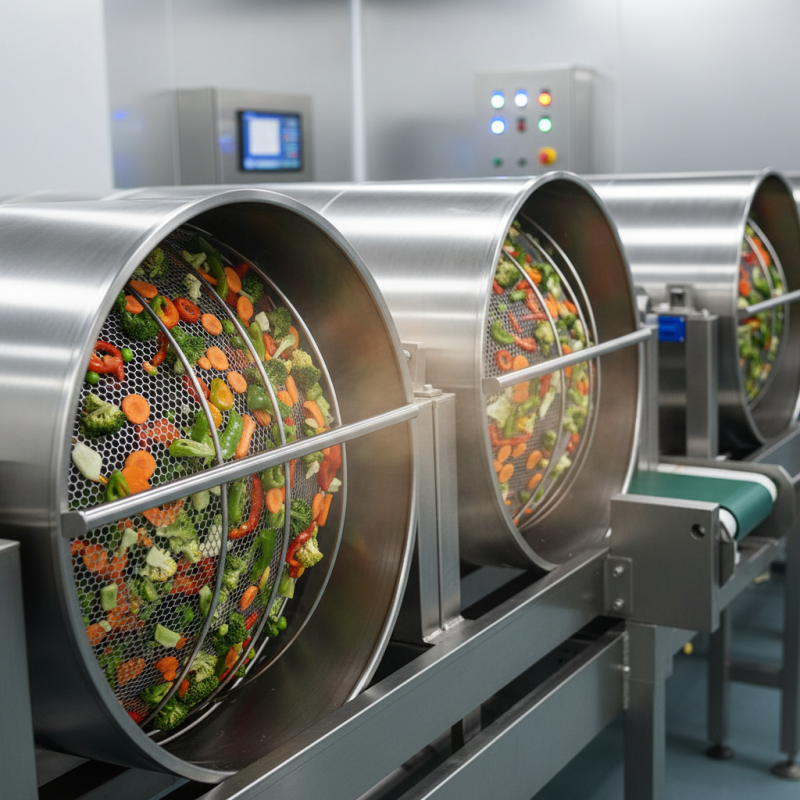
Vegetable dryer machines offer significant benefits for food preservation. They help retain nutrients and flavor while extending shelf life. Using a dryer can significantly reduce moisture content, making vegetables less prone to spoilage. This process is simple and efficient for busy households.
One important tip is choosing the right drying temperature. High heat can destroy essential vitamins. A moderate temperature will maintain more nutrients during the drying process. Testing the moisture content periodically can also ensure vegetables are dried properly. Over-drying can lead to a less appealing texture.
Another key benefit is space-saving storage. Dried vegetables take up significantly less room than fresh produce. This makes it easier to stock up, especially during harvest season. However, keep an eye on your storage conditions. Humidity and heat can damage dried products. Always store them in airtight containers.
Enhanced Flavor and Nutritional Value of Dried Vegetables
Dried vegetables are more than just a snack. They pack a powerful punch in flavor and nutritional benefits. When vegetables are dehydrated, their flavors become concentrated. Imagine biting into a dried tomato or a piece of kale. The burst of flavor can be surprising. You may even find that you enjoy these healthy snacks more than their fresh counterparts.
The drying process also preserves nutrients. Vitamins and minerals remain intact, making them readily available. This means you can enjoy the health benefits throughout the year, even when fresh produce is out of season. However, not all vegetables dry equally. Some lose more nutrients than others. It's essential to know which vegetables retain their value during drying.
While there are numerous benefits, the drying process can sometimes alter the texture. Some dried vegetables can be chewy or tough. This might not appeal to everyone. You may miss the crisp crunch of fresh veggies. It’s worth experimenting to find your favorites. The adventure of discovering new flavors is part of the charm of dried vegetables.
Top 10 Vegetable Dryer Machine Benefits
Energy Efficiency and Cost-Effectiveness in Food Processing
Energy efficiency plays a crucial role in food processing. Using vegetable dryer machines can significantly reduce energy consumption. With optimized drying cycles, less energy is used to remove moisture from vegetables. This leads to reduced operational costs. In the long run, energy savings contribute to a healthier bottom line for businesses.
Cost-effectiveness is another essential benefit. By investing in efficient drying technologies, companies can lower their production expenses. Higher moisture content in vegetables can lead to spoilage. This results in waste and loss. However, effective drying prevents these issues. The initial investment might seem high, but the savings add up over time.
Still, not all machines are created equal. Some may consume more power than advertised, leading to unexpected costs. It's vital to conduct thorough research before selecting a vegetable dryer. Understanding energy metrics and machine performance is key. Relying solely on price may not yield the best long-term benefits. A careful approach can enhance operational efficiency while ensuring quality produce.
Time-Saving Advantages of Automated Drying Processes
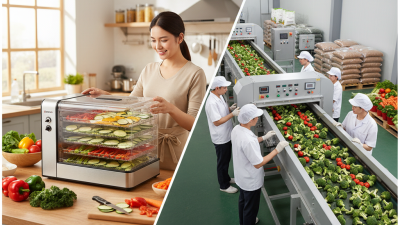
Automated vegetable dryer machines offer significant time-saving advantages for food preservation. Traditional methods require lengthy hours of manual work. In contrast, an automated dryer streamlines the process effectively. It reduces the time spent on setting up and monitoring drying cycles. This means more time for other tasks or relaxation.
Efficiency is key. With just a press of a button, vegetables can be dried in less than half the time. The technology ensures consistent results, eliminating the uncertainty of manual drying. Yet, some may worry about energy consumption. It's worth reflecting on the balance between convenience and resource use. Proper use of these machines can lead to better food storage without excessive energy waste.
While automated systems generally work well, some users report minor issues. Occasionally, vegetables may not dry uniformly. This can be frustrating for those who expect perfection. Regular checks can help catch these inconsistencies. Embracing automation in the kitchen brings benefits, but it requires continual learning and adjustments along the way. The journey towards efficient food preservation is filled with opportunities for improvement.
Versatility of Vegetable Dryer Machines in Various Food Applications
Vegetable dryer machines offer incredible versatility in food applications. They efficiently remove moisture from various vegetables, fruits, and even herbs. This process enhances flavor and extends shelf life. A well-dried carrot or spinach can become a convenient snack or ingredient in numerous dishes. Additionally, these machines are useful for preserving seasonal produce. You can enjoy summer flavors during winter.
Here’s a tip: Try experimenting with different drying times. Shorter drying periods keep more nutrients. Longer drying results in different textures and flavors. Adjust according to your preference. Making tomato powder for seasoning is a great option. You can dry tomatoes, grind them, and use them as a flavorful addition to pasta dishes or sauces.
When using a vegetable dryer machine, be mindful of the drying method. Not all vegetables require the same temperature. For instance, delicate greens need lower heat than root vegetables. This mistake can lead to undesirable textures. Understanding your ingredients can enhance the quality of your dried products.
Top 10 Vegetable Dryer Machine Benefits You Should Know
| Benefit |
Description |
| Preservation of Nutrients |
Retains vital vitamins and minerals in vegetables compared to other drying methods. |
| Versatility |
Suitable for drying a wide range of vegetables, enhancing culinary applications. |
| Energy Efficiency |
Consumes less energy than traditional drying methods, reducing operational costs. |
| Space Saving |
Compact designs allow for easy storage and use in small kitchens. |
| Consistent Results |
Ensures uniform drying, avoiding issues of under or over-dried products. |
| Enhanced Flavor |
Concentrates flavors, improving the taste of dishes prepared with dried vegetables. |
| Cost Effective |
Reduces food waste and helps in saving money by prolonging shelf life. |
| Convenience |
Simplifies the process of preparing dried ingredients for meals. |
| Health Benefits |
Encourages consumption of more vegetables, contributing to a balanced diet. |