In today's fast-paced world, maintaining a healthy diet can often feel like a challenge. As we look for convenient yet nutritious snack options, the idea of using "Fruit Dryers" emerges as a viable solution for those seeking healthier alternatives. Fruit dryers not only offer a way to preserve the natural goodness of fruits but also facilitate a variety of creative snacking possibilities that are both delicious and beneficial to our health.
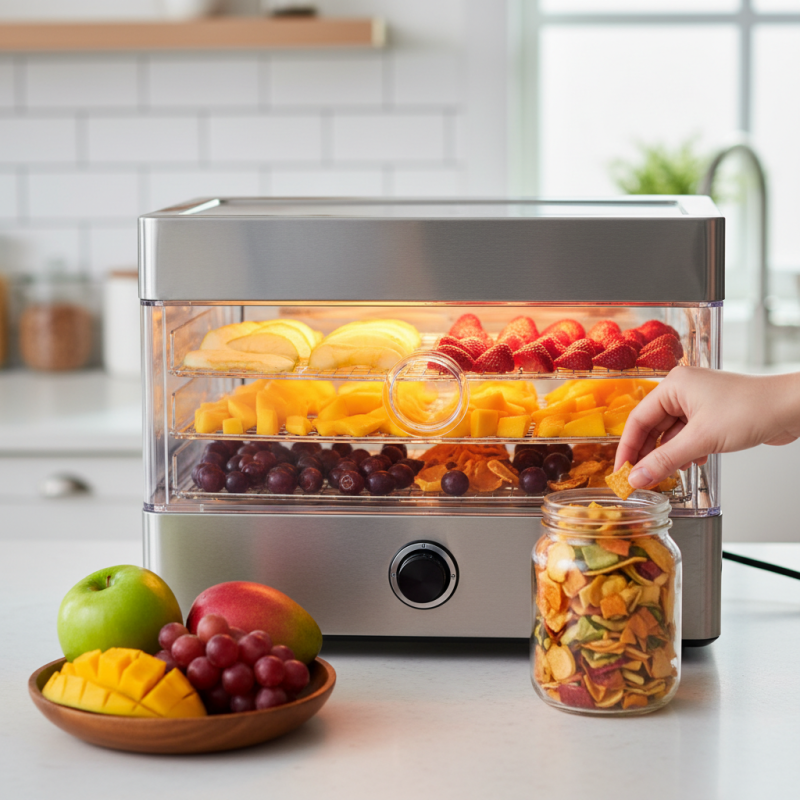
The process of dehydrating fruits concentrates their flavors and nutrients while significantly reducing moisture content, making them more shelf-stable and easy to transport. By utilizing fruit dryers, individuals can take control of their snacking habits, avoiding the added sugars and preservatives commonly found in store-bought dried fruits. Additionally, the versatility of dried fruits allows for a range of culinary uses, from homemade energy bars to tasty salad toppings, ensuring that healthy snacking does not have to be monotonous.
Ultimately, embracing fruit dryers can lead to healthier lifestyle choices, as they empower us to make nutritious snacks at home with minimal effort. As we delve deeper into the myriad benefits and uses of fruit dryers, it becomes clear that integrating them into our routine can support better eating habits and promote overall well-being.
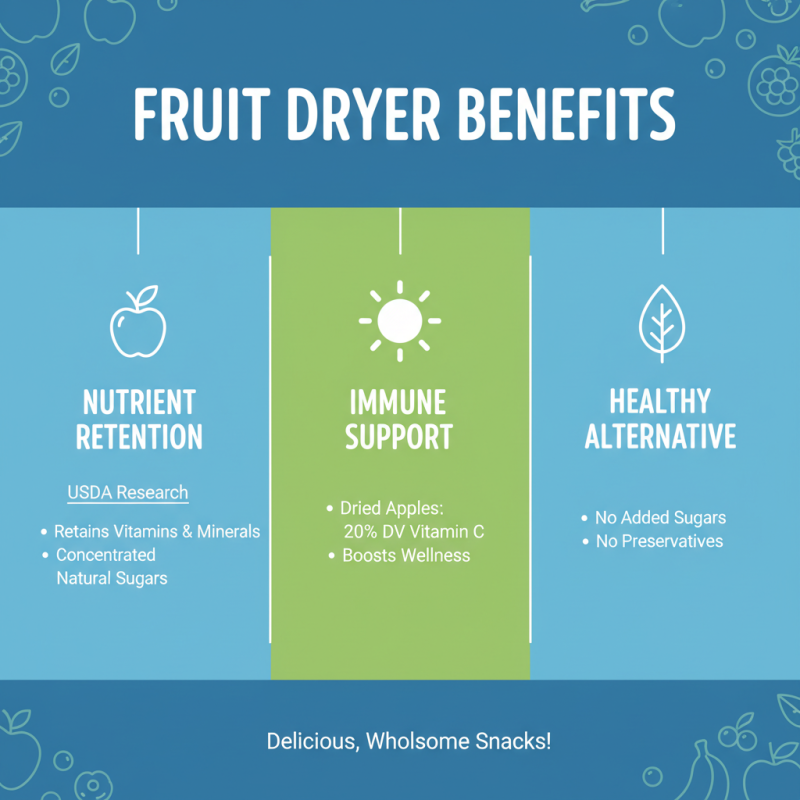
Using fruit dryers for nutritious snacks offers a multitude of health benefits that can significantly enhance your diet. Research from the USDA shows that dried fruits retain much of their nutritional value and can be an excellent source of essential vitamins and minerals. For instance, dried apples contain up to 20% of the daily recommended value of Vitamin C per serving, making them an excellent choice for immune support. Additionally, the process of drying fruits concentrates their natural sugars, making them a healthier alternative to processed snacks, which often contain added sugars and preservatives.
Moreover, fruit dehydration can enhance flavor profiles while preserving the fiber content that aids in digestion. A report by the International Journal of Food Science indicates that drying fruit can increase its fiber concentration by up to three times compared to fresh fruit, making dried fruits a great option for those looking to improve their digestive health. Furthermore, they provide a convenient, lightweight snack that is easy to store and transport, fitting seamlessly into a busy lifestyle. Ultimately, incorporating dried fruits into your snacking routine not only enhances nutritional intake but also satisfies sweet cravings in a healthier way.
Drying fruit is an exceptional method for preserving the vitamins and nutrients that are often lost during other cooking processes. When fruits are dehydrated, their water content diminishes, but their vitamins remain largely intact. For instance, vitamin C and several B vitamins, which can degrade through exposure to heat and moisture, retain their potency when fruits are dried at lower temperatures. This preservation allows you to enjoy healthier snacks that not only satisfy your cravings but also provide essential nutrients.
Tips for maximizing nutrient retention during fruit drying include selecting ripe, high-quality fruits. Fresh fruits not only have the best flavor but also boast higher nutrient levels. Additionally, cutting the fruits into uniform pieces ensures even drying, preventing some pieces from overcooking while others remain moist. It's also beneficial to use a dehydrator that provides consistent heat, which can further safeguard vitamins against deterioration.
Another effective tip is to store dried fruits in airtight containers away from light and moisture. This not only prolongs their shelf life but also helps maintain their nutritional value. Incorporating dried fruits into your snacking routine can promote a healthier lifestyle, making it easier to consume the recommended daily servings of fruits while enjoying delicious, nutrient-rich treats.
When considering different types of fruit dryers, it's important to evaluate the available options to find the one that best suits your needs. Generally, there are three main types of fruit dryers: air dehydrators, solar dehydrators, and microwave dehydrators. Air dehydrators are popular for their efficiency and ability to retain the nutrients in the fruit. They use a fan and heat to circulate air, drying the fruit evenly. Solar dehydrators leverage sunlight, making them eco-friendly and cost-effective, though their efficiency depends on weather conditions. Lastly, microwave dehydrators offer a fast alternative, drying fruits quickly but requiring careful monitoring to avoid over-drying.
When selecting a fruit dryer, consider your drying capacity and usage frequency. If you plan to dehydrate large batches, a high-capacity air dehydrator may be ideal. For occasional use or small portions, a microwave or solar dehydrator could be the perfect fit. Additionally, look for models with adjustable temperature settings, as different fruits require different drying temperatures for optimal results.
Tips for getting the best results with your fruit dryer:
Drying fruits at home is a simple and rewarding process that allows you to create nutritious snacks while controlling ingredients and flavors. To begin, select fresh, ripe fruits such as apples, peaches, or berries. Wash them thoroughly to remove any pesticides or contaminants, then slice them evenly to ensure consistent drying. Thinner slices will dry more quickly and evenly compared to thicker ones, making it important to find the right balance.
Once your fruit is prepped, you can choose the drying method that works best for you, whether it's using a food dehydrator, an oven, or air drying. If using a dehydrator, set it to the recommended temperature for the type of fruit you are drying, usually around 135°F (57°C). For the oven method, lay the fruit slices on a baking sheet lined with parchment paper and set the oven to the lowest temperature, propping the door open slightly for air circulation. Keep an eye on the drying process, as times can vary from several hours to a full day, depending on the moisture content of the fruit.
Once your fruits are fully dried, store them in airtight containers to maintain their freshness. Properly dried fruits should be chewy yet pliable, and they can be enjoyed as healthy snacks or used in recipes like granola, trail mix, or baked goods. Embracing the art of drying fruits at home not only boosts your snack options but also promotes healthier eating habits.
| Fruit Type | Nutritional Benefits (per 100g) | Drying Time (Hours) | Shelf Life (at Room Temperature) | Favorite Uses |
|---|---|---|---|---|
| Apple | 52 calories, 14g carbs, 2.4g fiber | 6-12 hours | 6-12 months | Snacks, cereals, baking |
| Banana | 89 calories, 23g carbs, 2.6g fiber | 8-15 hours | 6-12 months | Smoothies, trail mix, baking |
| Mango | 60 calories, 15g carbs, 1.6g fiber | 8-12 hours | 6-12 months | Snacks, salads, yogurt |
| Strawberry | 32 calories, 7.7g carbs, 2g fiber | 5-10 hours | 1-2 years | Snacks, desserts, cereals |
| Peach | 39 calories, 10g carbs, 1.5g fiber | 6-12 hours | 6-12 months | Snacks, smoothies, toppings |
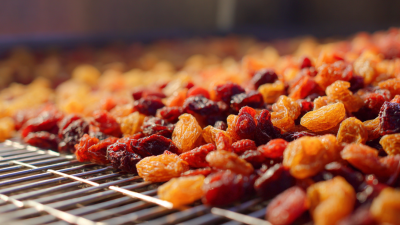
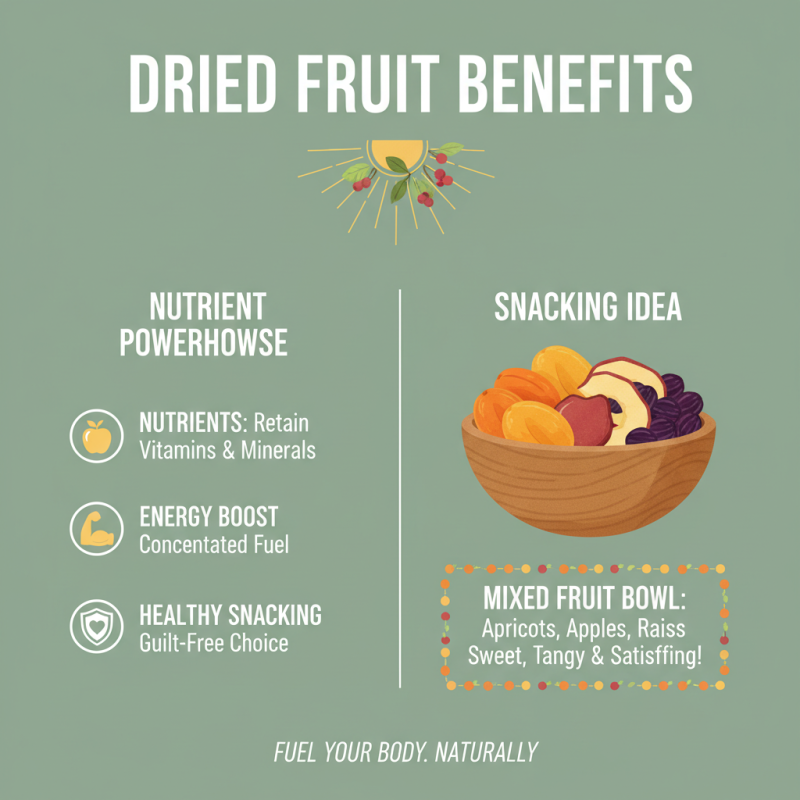
Dried fruits are not only a delicious treat but also a fantastic way to incorporate more nutrients into your diet. They retain most of the vitamins and minerals found in fresh fruits and provide a concentrated source of energy. Incorporating dried fruits into your diet can lead to healthier snacking options. One easy idea is to create a mixed dried fruit bowl, combining apricots, apples, and raisins for a sweet and tangy flavor burst that can curb your cravings for less healthy snacks.
Another tasty way to enjoy dried fruits is by adding them to your morning oatmeal or yogurt. This not only enhances the flavor but also increases the fiber content, helping you to feel fuller for longer. Toasted nuts can be sprinkled on top for added crunch and protein. Additionally, consider blending dried fruits into smoothies for a natural sweetness and a boost of essential nutrients.
**Tips:** When selecting dried fruits, look for those without added sugar or preservatives for the healthiest options. To maximize their versatility, store dried fruits in an airtight container to maintain freshness. Experiment with pairing dried fruits with savory dishes, such as salads or grain bowls, to elevate your meals and enjoy a unique flavor combination.