What is a Vegetable Dryer Spinner and How Does It Work?
A Vegetable Dryer Spinner is an essential kitchen tool for anyone who loves cooking with fresh produce. It effectively removes excess water from washed vegetables, making them crispier and more enjoyable to eat. This device spins your vegetables, using centrifugal force to eliminate moisture.
Using a Vegetable Dryer Spinner is simple, but there are nuances to consider. You need to load it correctly. Overloading can lead to uneven drying. The right technique can significantly enhance your salads and dishes.
Some may overlook this gadget, thinking it's unnecessary. However, drying vegetables can elevate flavors and textures. Reflection on its utility may lead to new culinary adventures in the kitchen.
What is a Vegetable Dryer Spinner?
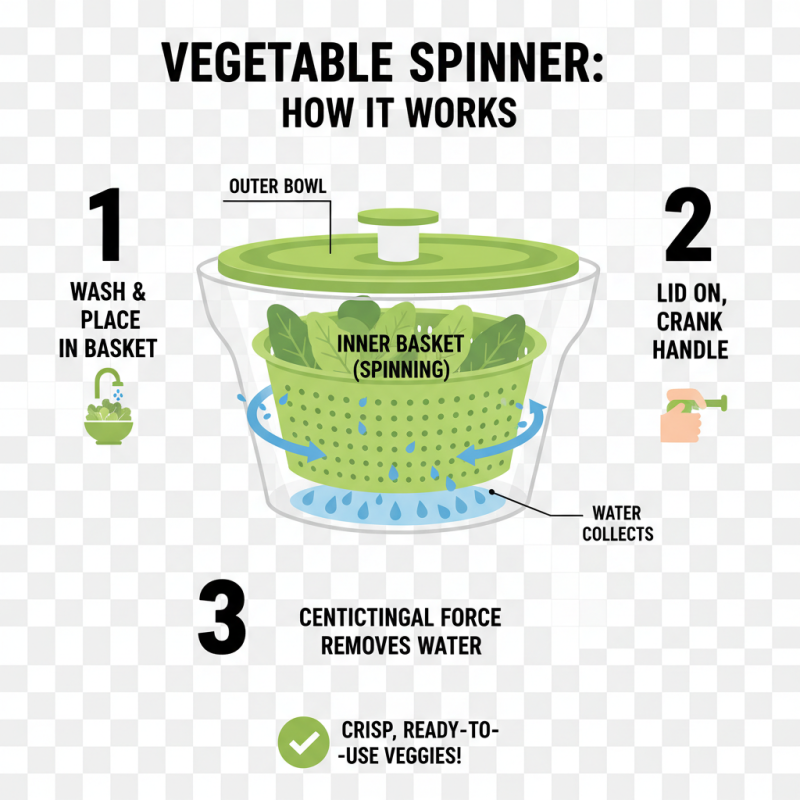
A vegetable dryer spinner is a handy kitchen tool designed to remove excess water from freshly washed vegetables. It operates on a simple yet effective principle: centrifugal force. When you place your vegetables inside and spin the handle, the basket rotates rapidly. This action pushes water droplets outward, leaving your greens crisp and ready for use.
Using a vegetable dryer spinner has its quirks. Some may find that not all veggies spin out completely dry, which can be frustrating. For instance, leafy greens often cling to moisture. It’s essential to chop them into smaller pieces for best results. Additionally, if you pack too many vegetables into the spinner, they may not dry evenly. The balance of space and quantity matters when you want perfectly dried greens.
Maintaining the spinner can be a bit tricky too. Frequent washing and drying can cause wear and tear. Sometimes, the lid might not fit properly after many uses. Make sure to check for any damage before each use. A vegetable dryer spinner is efficient but requires attention to detail for optimal drying results.
The Mechanism Behind Vegetable Dryer Spinners
A vegetable dryer spinner operates through a straightforward but effective mechanism. Essentially, it uses centrifugal force to remove excess water from vegetables. When you place washed vegetables inside, the spinner starts to rotate rapidly. This motion pulls water away from the produce and sends it to the outer edges of the basket. According to industry reports, using such methods can reduce moisture content by up to 90% in just a few minutes.
The design is often simple yet ingenious. Most models consist of a bowl, a lid, and a removable basket. The basket holds the vegetables securely while allowing water to escape. As the spinning action occurs, water droplets cling to the basket's sides. Sometimes, the efficiency of the spinning can be compromised if the basket is overcrowded. This leads to uneven drying and can negatively impact the quality of your vegetables.
In terms of energy use, these spinners are relatively efficient. Many devices require minimal power, which is essential for eco-conscious consumers. Yet, they do have limitations. Some vegetables do not dry well when spun. Leafy greens, in particular, can sometimes end up bruised. Thus, understanding the specific needs of each vegetable is vital for getting the most out of a vegetable dryer spinner.
What is a Vegetable Dryer Spinner and How Does It Work? - The Mechanism Behind Vegetable Dryer Spinners
| Feature |
Description |
Benefits |
| Design |
Typically cylindrical with a mesh basket. |
Allows air circulation for efficient drying. |
| Mechanism |
Uses centrifugal force to remove moisture. |
Reduces drying time compared to air drying. |
| Capacity |
Varies by model, typically holds 3-5 quarts of vegetables. |
Suitable for small to medium batches for home use. |
| Material |
Made of plastic or stainless steel. |
Durable and easy to clean. |
| Usage |
Ideal for leafy greens, herbs, and washed vegetables. |
Helps maintain freshness and crunchiness. |
| Cleaning |
Can be rinsed, with some parts dishwasher safe. |
Saves time in food preparation and maintenance. |
Benefits of Using a Vegetable Dryer Spinner
A vegetable dryer spinner is a handy kitchen tool designed to remove water from fresh produce. It uses centrifugal force to spin vegetables, effectively drying them after washing. This technique helps in preserving their crispness and flavor.
Using a vegetable dryer spinner offers several benefits. It reduces moisture, which can lead to spoilage. Less water on your veggies means they’ll last longer. Furthermore, dry vegetables can be easily sautéed or tossed into salads without making other ingredients soggy. You will enjoy enhanced texture and taste in your dishes. Plus, saving time during meal prep is always a plus.
Tips for effective use include shaking the spinner gently for an even dry. Start with small batches for best results. Also, load the basket loosely. Overloading can cause uneven drying. Finally, remember to clean your spinner frequently to maintain hygiene and efficiency. A well-maintained spinner will serve you better in the long run.
How to Operate a Vegetable Dryer Spinner Effectively
Operating a vegetable dryer spinner can be straightforward with the right approach. Begin by washing and cutting your vegetables into uniform sizes. This ensures even drying. Place them in the spinner's basket, but do not overcrowd. Overcrowding can lead to uneven drying, leaving some vegetables moist.
After loading, secure the lid and set the spinner on a flat surface. Many models have a simple pull mechanism or crank, making it easy to start. Spin vigorously for 30 seconds to 1 minute. You may need to pause and check if some vegetables are still wet. If so, give them another spin.
Keep an eye on the time; excessive spinning could lead to bruising or conversely, not enough could lead to prolonged drying time.
After spinning, lay out the vegetables on a clean, dry surface or tray. It is crucial to monitor the drying process. If it’s humid, you may need to adapt your approach. Occasionally, I forget this, and I end up with soggy vegetables.
Adjusting for your environment is essential for successful drying. Remember, practice makes perfect; learning from mistakes is part of the journey.
Maintenance Tips for Vegetable Dryer Spinners
Maintaining a vegetable dryer spinner is essential for optimal performance. Regular cleaning can improve efficiency significantly. According to industry reports, proper maintenance can extend the lifespan of these devices by up to 30%. Food residues can lead to mechanical issues, so a thorough wash after each use is necessary.
Check the spinner’s filter regularly. A clogged filter can hinder air circulation, reducing drying efficiency. Some users forget this simple task, leading to frustration. Filters should be replaced as indicated by the manufacturer’s guidelines. Ignoring this can result in uneven drying and wasted energy.
Lubrication of moving parts is crucial. Over time, these parts can wear down, affecting performance. Use food-safe lubricants to avoid contamination. Furthermore, inspect the power cord and plug for wear. Safety should always be a priority. Skipping these maintenance steps can cause serious accidents or damage. Regular upkeep not only ensures safety but also enhances the drying quality of your vegetables.
Vegetable Dryer Spinner Usage Statistics
This bar chart represents the statistics related to vegetable dryer spinners, illustrating the average spin time (5 minutes), drying efficiency (85%), and energy consumption (0.5 kWh) during the drying process. These metrics help users assess performance and maintenance needs for optimal usage.