Why Choose an Air Conditioner Inverter for Your Home?
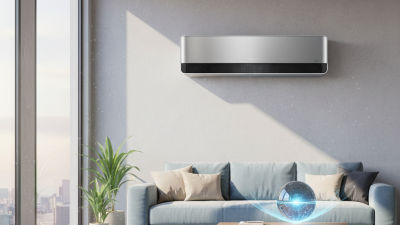
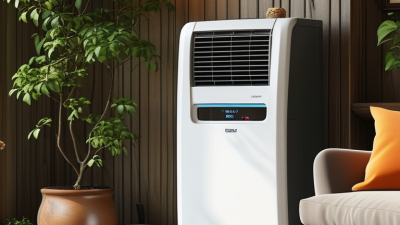
When considering home comfort, choosing the right cooling system is vital. Many experts, including Johnathan Lee, a prominent HVAC consultant, emphasize the significance of modern technologies. He states, "An Airconditioner Inverter is not just an option; it's a necessity for energy efficiency." This highlights the growing importance of inverter technology in air conditioning.
Airconditioner Inverters adjust speed for efficient cooling. They offer advantages over traditional systems, like reduced energy consumption and quieter operation. Homeowners often note lower utility bills after switching to this technology. However, installation costs can be a concern. It requires a careful analysis of budget versus long-term savings.
The expertise in the Airconditioner Inverter industry is undeniable. Professionals consistently promote its benefits. Still, not every model suits every home. Home design, climate, and personal needs influence the best choice. Reflecting on these factors ensures a more informed decision tailored to individual lifestyles.
Understanding the Basics of Air Conditioner Inverters
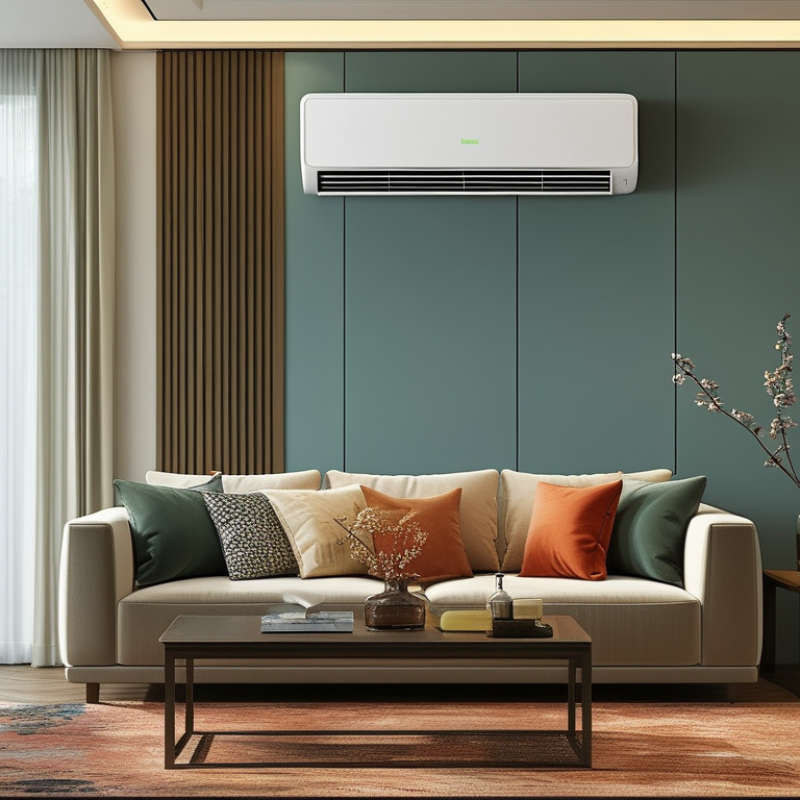
Air conditioner inverters are becoming increasingly popular in homes. They work differently from traditional units by controlling the compressor speed. This feature allows for more precise temperature control, resulting in enhanced energy efficiency. The inverter adjusts its operation to maintain the desired temperature, reducing energy waste.
Understanding how inverters function is crucial. When the ambient temperature rises, the inverter ramps up the compressor speed. This quick response ensures comfort without overcooling the space. Conversely, when it cools down, the inverter slows the compressor. This method avoids the frequent on-and-off cycles typical in standard models. It’s a more stable and efficient way to manage indoor climates.
Despite these advantages, some may find inverter technology complex. Initial costs can be higher than non-inverter units. Users might need time to learn how to optimize settings for maximum efficiency. Energy savings can take months to manifest. Reflecting on your specific needs and budget is essential before upgrading. An informed decision will lead to greater satisfaction and comfort in your home.
Benefits of Using an Inverter AC Over Traditional Models
Homeowners are increasingly considering inverter air conditioners for efficient climate control. Unlike traditional models, inverter ACs utilize advanced technology to regulate temperature more effectively. According to a recent industry report, inverter systems can save up to 30-50% on energy bills compared to conventional units. This is largely due to their ability to adjust compressor speed, reducing energy waste when maintaining desired temperatures.
One signficant benefit is maintaining a consistent indoor climate. Inverter ACs operate at variable speeds, ensuring a stable temperature without the constant cycling on and off that characterizes traditional units. This leads to better comfort and potentially greater health benefits. A study by the Department of Energy highlights that consistent temperatures can improve air quality and reduce allergens.
Tip: Consider proper installation and maintenance. Well-planned installation enhances efficiency. Regular cleaning of filters helps maintain optimal performance. Ultimately, this investment in an inverter AC can lead to long-term savings and comfort, making it a smart choice for many households.
Benefits of Inverter Air Conditioners Compared to Traditional Models
This chart illustrates the benefits of inverter air conditioners over traditional models based on various factors such as energy efficiency, noise levels, initial cost, maintenance cost, and cooling speed. As seen in the chart, inverter ACs excel in energy efficiency and noise levels while traditional models tend to have lower initial costs.
Energy Efficiency and Cost Savings with Inverter Technology
When considering an air conditioning system, inverter technology stands out. Its design allows for variable speed operation. This leads to significant energy savings compared to traditional systems. Inverter air conditioners adjust their cooling output based on the room temperature. It runs more efficiently, leading to lower electricity bills.
Understanding these savings is essential. An inverter system can reduce energy consumption by up to 30%. This reduction not only saves money but also lowers your carbon footprint. It’s a win-win for your wallet and the planet.
**Tips for Choosing an Inverter AC:**
Ensure the unit has a good Energy Efficiency Ratio (EER). Higher EER ratings usually reflect better efficiency. Regular maintenance, like cleaning filters, improves performance. Keep in mind, initial costs may be higher, but the long-term savings justify the investment.
Noise Levels and Comfort: How Inverters Make a Difference
When considering an air conditioning system for your home, noise levels are a crucial factor. Traditional units often produce disruptive sounds. They can be loud and jarring, disrupting your peace. In contrast, inverter air conditioners operate much quieter. Their unique technology allows for smoother operation, minimizing abrupt noises. You can enjoy a serene environment, whether you're sleeping, working, or relaxing.
Inverter systems also improve your comfort significantly. They maintain a consistent temperature, preventing the uncomfortable fluctuations often caused by standard AC units. This feature can be particularly beneficial during hot summer months. Instead of blast-cooling and then shutting off, inverters adjust power supply gradually. This not only enhances comfort but also contributes to energy efficiency. You might notice a drop in your energy bills, adding to the value they offer.
However, it's important to remember that not all inverter systems are the same. Some may still produce noise under certain conditions. Investing time in research is vital. Read reviews and consult with professionals for advice. Understanding these nuances can help ensure you choose an option that truly meets your comfort needs.
Why Choose an Air Conditioner Inverter for Your Home? - Noise Levels and Comfort: How Inverters Make a Difference
| Feature |
Standard AC |
Inverter AC |
| Noise Level (dB) |
50 - 70 |
30 - 50 |
| Energy Efficiency |
2.5 - 3.2 COP |
3.5 - 5.0 COP |
| Cooling Capacity (BTU) |
5,000 - 15,000 |
7,000 - 20,000 |
| Temperature Stability |
±4°C |
±1°C |
| Average Life Span (years) |
10 - 15 |
15 - 20 |
Choosing the Right Inverter AC for Your Home Needs
When considering an inverter air conditioner for your home, it’s important to evaluate your specific needs. An inverter AC offers variable speed compressor technology. This technology adjusts the cooling output to maintain a consistent temperature. According to the U.S. Department of Energy, inverter ACs can be up to 30% more energy-efficient than traditional units. This can lead to significant cost savings over time.
Size your unit properly. An oversized unit will cycle on and off frequently, leading to inefficiency. A professional assessment can ensure you select the right capacity. Homeowners often overlook insulation and sunlight exposure. Both factors can influence cooling needs. For example, a well-insulated home may require a less powerful unit.
Tips: Consider energy efficiency ratings. Look for units with higher SEER (Seasonal Energy Efficiency Ratio) ratings. Also, pay attention to noise levels. Inverter models are generally quieter, creating a more comfortable living environment. Always read reviews and seek advice from trusted HVAC professionals. A well-informed choice can enhance your comfort and reduce utility bills significantly.