Best Heatpump Split Systems for Efficient Home Heating?
In the evolving landscape of home heating, heat pump split systems have emerged as an efficient solution. Experts like Dr. John Thompson, a leading authority in HVAC technology, emphasize their importance. He states, "Heat pump split systems are vital for reducing energy consumption and improving comfort."
These systems efficiently transfer heat energy, providing optimal heating during cold months. They work by harnessing ambient air, using it to heat your home without excessive energy use. However, choosing the right system requires careful consideration of factors like size and efficiency ratings.
Despite their benefits, heat pump splits may not be suitable for every home. Some users have found mixed results, particularly in extremely cold climates. It's essential to assess your specific needs before making an investment in a heat pump split system. Balancing efficiency with practicality is key in attaining ideal home heating solutions.
Types of Heat Pump Split Systems for Home Heating Efficiency
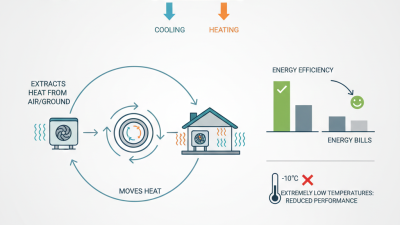
Heat pump split systems are increasingly popular for home heating efficiency. These systems consist of an indoor unit and an outdoor compressor. They work by transferring heat rather than generating it, using refrigerant fluid to absorb and release heat. According to the U.S. Department of Energy, heat pumps can be 300% to 400% efficient, meaning they can produce three to four units of heat for every unit of electricity consumed.
There are two main types of heat pump split systems:
air-source and
ground-source.
Air-source systems extract heat from the outside air. They are cost-effective and easier to install. Ground-source systems use underground loops to access stable temperatures below the surface. While they have higher upfront costs, they offer greater energy efficiency. A study by the National Renewable Energy Laboratory suggests that ground-source heat pumps can save homeowners up to 50% on heating bills compared to traditional systems.
While these systems provide significant benefits, there can be challenges. Installation can be complex, requiring professional expertise. Homeowners may also face limitations based on their geographic location, particularly with air-source systems. For instance, their efficiency drops in extremely cold temperatures. This necessitates careful consideration of climate when choosing a system. Balancing initial costs with long-term savings can lead to tough decisions for homeowners.
Benefits of Using Heat Pump Split Systems for Home Heating
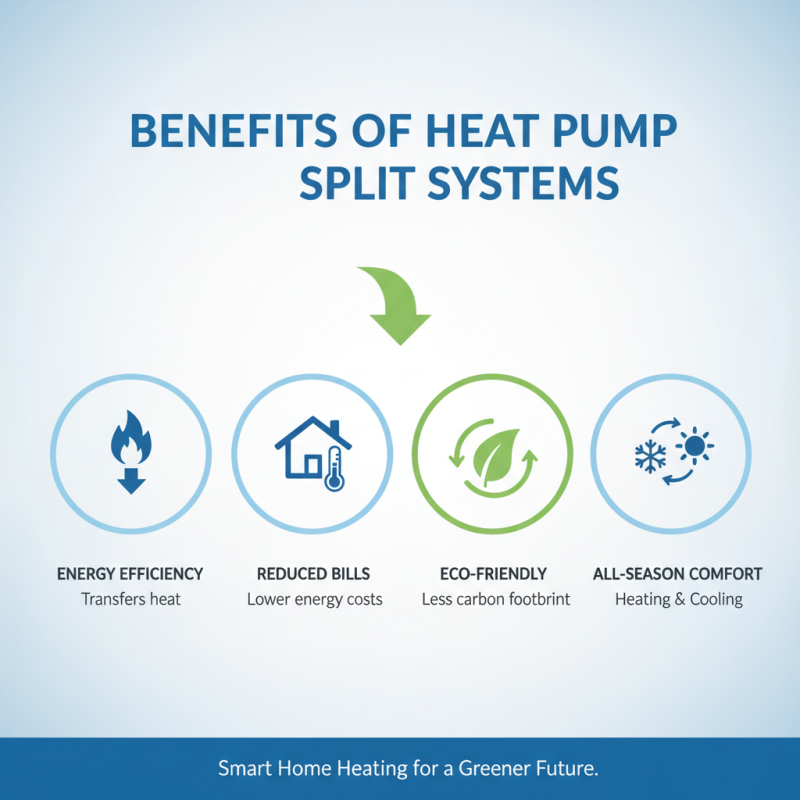
Heat pump split systems are gaining popularity for home heating. They efficiently transfer heat from outside to inside, even in cold conditions. This method reduces energy consumption compared to traditional heating systems. Homeowners appreciate the lower energy bills that come from using these systems.
One significant benefit is their dual functionality. During summer, heat pumps can work as air conditioners, providing year-round comfort. They operate quietly, ideal for residential areas. However, some people find them less effective in extreme cold. It's crucial to consider regional climate when choosing a system.
Installation is another factor to ponder. Proper setup is essential for optimal performance. A poorly installed system may not deliver the expected energy savings. Regular maintenance can also be overlooked by homeowners. Neglecting this aspect may lead to reduced efficiency over time. With these considerations, heat pump split systems can be a game-changer in energy-efficient home heating.
Installation and Maintenance Tips for Heat Pump Split Systems
When considering a heat pump split system, installation and maintenance play crucial roles in performance. Start with proper placement of indoor and outdoor units. The outdoor unit needs ample airflow. Avoid placing it near trees or tall structures. Indoor units should be distributed evenly, ensuring balanced heating or cooling. Secure the units with sturdy mounts. Accurate installation prevents future issues, promoting efficiency.
Regular maintenance checks add years to system life. Clean or replace filters every few months. Dirty filters restrict airflow, reducing efficiency. Inspect ducts for leaks. Any gaps in the ductwork can lead to energy waste. Also, check the refrigerant levels. Low levels indicate leaks that require professional attention.
It's easy to overlook the importance of routine care. Many homeowners neglect these tasks. Skipping maintenance can lead to costly repairs. Reflect on how often you've prioritized these checks. A little effort goes a long way in ensuring optimal performance and reliability. Stay vigilant and proactive to enjoy the full benefits of your system.
Best Heatpump Split Systems for Efficient Home Heating
This chart displays the performance metrics of the best heat pump split systems based on their efficiency, cost, noise level, installation ease, and maintenance frequency. The ratings are on a scale from 0 to 100, illustrating how these systems compare in different aspects.
Comparative Analysis of Top Heat Pump Split System Brands and Models
When choosing a heat pump split system, efficiency is key. Many brands offer features that promise energy savings, but not all live up to expectations. Some systems are quieter, while others have better installation flexibility. Understanding these differences is crucial for homeowners.
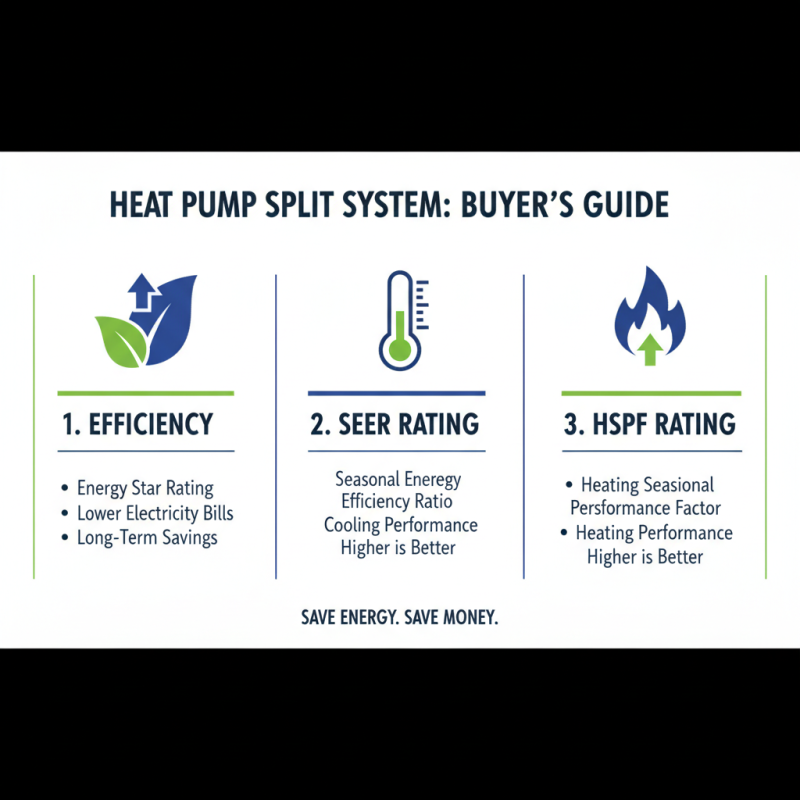
In a comparative analysis of top models, performance varies significantly. Some units excel in colder climates but might struggle in milder ones. The SEER and HSPF ratings are important indicators. Higher ratings generally mean better efficiency, but they also often come with a higher upfront cost. Installation quality can also affect performance, leading to some systems underperforming.
Homeowners should assess specific heating needs before making a decision. Consider the space size and layout for optimum results. It's also essential to reflect on long-term energy costs versus initial investments. While one model may catch your eye, its performance in your region could be less than ideal. Thorough research, including user reviews and expert assessments, can guide you toward the best choice.
Best Heatpump Split Systems for Efficient Home Heating
| Model |
Heating Capacity (BTU/h) |
Energy Efficiency Rating (SEER) |
Noise Level (dB) |
Warranty (Years) |
| Model A |
24,000 |
16 |
50 |
10 |
| Model B |
30,000 |
18 |
45 |
12 |
| Model C |
18,000 |
14 |
55 |
7 |
| Model D |
36,000 |
20 |
40 |
15 |