Leave Your Message
AI Helps Write

China Best Food Dehydrator Machine Manufacturer

Food waste is creating a practical need for better preservation technology. The FAO’s State of Food and Agriculture reports that approximately 14% of global food is lost between harvest and retail. The UNEP Food Waste Index Report 2024 estimates that 1.05 billion tonnes of food were wasted in 2022. These figures expose a costly gap between production and consumption.

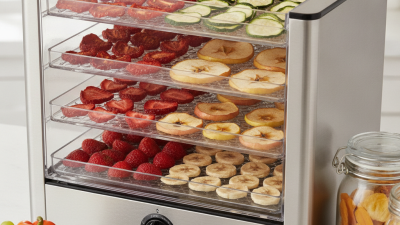
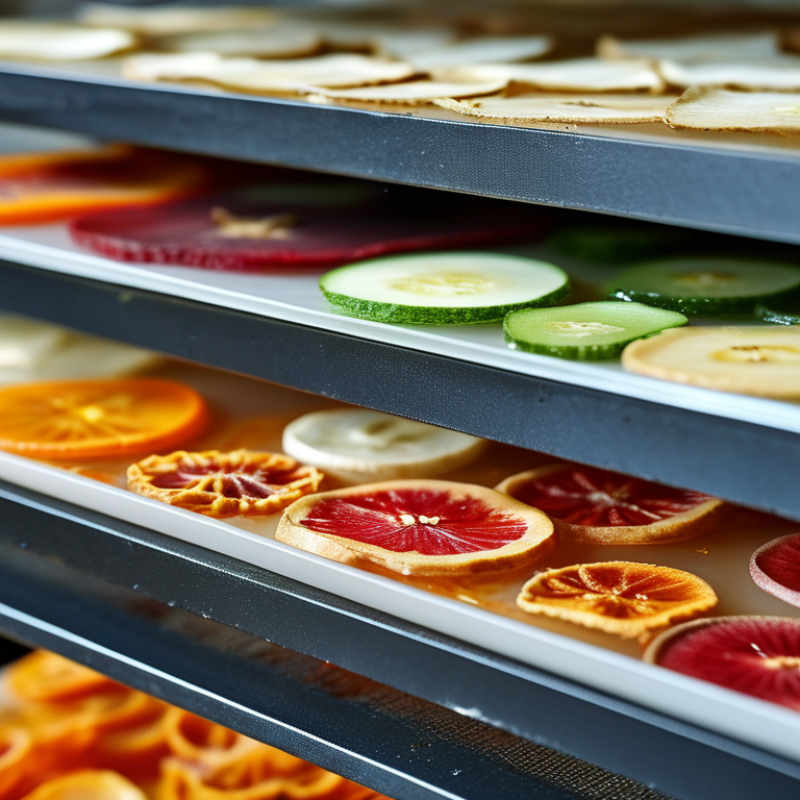
A Food Dehydrator Machine can help manufacturers, farmers, and processors extend shelf life. It removes moisture through controlled heat and airflow. Proper drying can preserve fruit slices, vegetables, herbs, mushrooms, and meat products. However, dehydration is not simply a matter of applying heat. Uneven airflow may leave soft centers, dark edges, or unsafe moisture levels. Small details matter, including tray spacing, temperature stability, humidity control, and cleaning access.

Dr. Elizabeth L. Andress, a food safety specialist associated with the University of Georgia’s National Center for Home Food Preservation, states, “Drying is the oldest method of preserving food.” Her observation remains relevant for modern industrial equipment. A reliable China Best Food Dehydrator Machine Manufacturer must combine traditional preservation principles with measurable engineering. This includes stainless-steel construction, programmable controls, energy efficiency, and documented sanitation procedures.

Market reports from Grand View Research and other industry analysts indicate continued growth in commercial food-processing equipment and preservation technologies. Exact market estimates differ because product categories are defined inconsistently. That uncertainty deserves attention. Buyers should examine drying capacity, heat uniformity, after-sales support, and testing records rather than trust attractive specifications alone. Experience in real production rooms often reveals more than a polished brochure.
China Best Food Dehydrator Machine Manufacturer

Food Dehydrator Machines: Definition, Purpose, and Core Functions

Food Dehydrator Machines: Definition, Purpose, and Core Functions

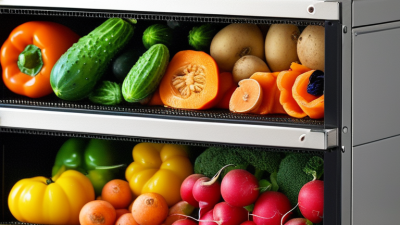
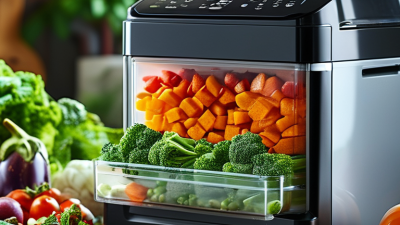
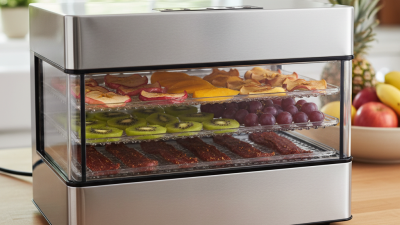
A food dehydrator machine removes moisture from fruits, vegetables, herbs, meat, and other suitable foods. It uses controlled heat and steady airflow to slow spoilage and improve storage stability. Unlike frying, dehydration does not require large amounts of oil. The process can also preserve natural colors, aromas, and textures when temperatures are managed carefully. A reliable machine usually includes drying trays, an adjustable thermostat, an airflow system, and a timer. Some models provide digital controls and transparent doors for easier monitoring. Capacity matters too. A small unit may suit home kitchens, while a commercial machine supports repeated production.

Tips: Cut ingredients into similar thicknesses for more even drying. Leave space between pieces. Check moisture after cooling, not immediately. Warm food may feel softer than it really is. Keep raw meat separate, and follow verified food-safety procedures.

Experienced operators record temperature, drying time, ingredient thickness, and final texture. This simple log helps improve future batches. It also reveals an uncomfortable truth: the same setting may not work for every season or ingredient. Humidity, sugar content, and tray loading can change results. Occasional uneven drying is not always a machine failure. It may show that preparation or airflow needs another review.

As a China best food dehydrator machine manufacturer, a professional supplier should explain these functions clearly and provide practical operating guidance.
How to Evaluate a China-Based Food Dehydrator Manufacturer

China Best Food Dehydrator Machine Manufacturer

How to Evaluate a China-Based Food Dehydrator Manufacturer

Food dehydration supports longer shelf life and lower transport losses. The FAO’s State of Food and Agriculture 2019 reported that 14% of food is lost between harvest and retail. This makes drying equipment commercially relevant, but machinery quality varies widely.

Check the manufacturer’s engineering evidence, not only its catalog. Request temperature-uniformity maps from several tray positions. Ask for airflow readings, drying curves, and final water-activity results. A reliable supplier should explain how it controls heat, humidity, and product loading. Stainless steel contact surfaces should include documented material grades. Electrical components need clear specifications and traceable test records. Factory acceptance testing should use your actual product, cut size, and target moisture.

Food safety systems matter.

ISO 22000 certification can show a structured food-safety management process, but certification alone proves little about machine performance. Review the certificate scope, audit date, and production site. Ask for cleaning procedures, gasket details, spare-part lists, and response times. A serious exporter should provide installation drawings and operator training. It should also understand destination-market electrical and safety requirements.

Look closely at sample results.

One successful batch is not enough. I would compare three runs and record drying time, energy use, color change, and moisture variation. Some suppliers may resist this request. That resistance is useful information. I have found that attractive pricing can hide weak documentation, limited testing, or expensive replacement parts. Performance claims should remain unaccepted until verified.

Key Machine Types, Features, and Suitable Food Applications

China Best Food Dehydrator Machine Manufacturer

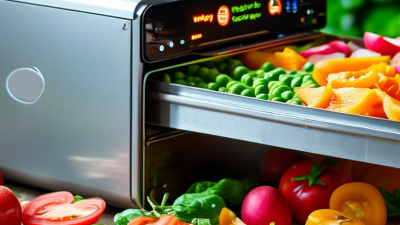
Food dehydrators generally include cabinet, tunnel, belt, and freeze-drying machines. Cabinet dehydrators suit small and medium batches, such as sliced fruit, herbs, mushrooms, and meat. Tunnel models support continuous production and steadier airflow. Belt systems work well for large volumes, including vegetables, grains, and prepared snacks. Freeze-drying preserves delicate texture but requires deeper technical control and higher investment.

Useful features include adjustable temperature, programmable drying time, stainless-steel contact surfaces, and removable trays. Even airflow reduces wet centers and brittle edges. Moisture sensors can improve consistency, although they cannot replace trained inspection. Operators should check color, texture, water activity, and final weight. A strong manufacturer should provide clear test data, practical training, and service documentation. Food safety depends on the whole process, not only the machine.

Tips: Match the machine to daily output, raw material thickness, and available floor space. Leave room for cleaning and ventilation. Avoid choosing by capacity alone. I have seen oversized equipment waste energy when batches remain half empty. Heat is not everything. Lower temperatures may protect aroma and color, but drying takes longer. Record each batch carefully, then adjust airflow, loading depth, and temperature based on real results.

Manufacturing Standards, Quality Control, and Customization Options

A dependable food dehydrator manufacturer must control more than temperature and airflow. Grand View Research estimates that the global food dehydrator market could reach about USD 2.1 billion by 2030, driven by demand for shelf-stable foods. This growth increases pressure on manufacturers to prove consistency. Production should follow documented food-safety procedures, with HACCP principles and ISO 22000-based controls supporting hazard prevention. Materials touching food need traceable specifications, not vague claims.

Quality control begins with incoming inspection. Technicians should verify stainless-steel grade, tray dimensions, insulation, wiring, and sensor accuracy. During assembly, each unit needs airflow checks and electrical safety testing. A temperature map can reveal cold areas near the door or corners. That detail matters. Poor airflow may leave apple slices leathery in one tray and brittle in another. Batch records, calibration certificates, and lot numbers also help buyers investigate problems quickly.

Customization should be practical, not decorative. Manufacturers can adjust tray spacing, chamber volume, heating power, control interfaces, voltage, and drying programs. For herbs, gentle airflow may protect aroma. For meat, validated time-temperature controls are essential. Intertek’s food safety testing guidance emphasizes documented verification and repeatable procedures across production stages. Still, no factory is flawless. A supplier that reports failed tests honestly may be more reliable than one showing perfect figures. Pilot runs, sample testing, and customer feedback should shape the final design. A polished specification sheet cannot replace real drying trials.

Ordering, Installation, Maintenance, and Supplier Evaluation Criteria

China Best Food Dehydrator Machine Manufacturer

Ordering, Installation, Maintenance, and Supplier Evaluation Criteria

Ordering a food dehydrator requires more than comparing prices. Define the product type, daily capacity, moisture target, and available power supply. Ask for stainless-steel grade, tray dimensions, temperature range, airflow design, and safety controls. Request test samples using your actual fruit, vegetables, or herbs. A machine may perform well in a brochure but poorly with uneven slices. Confirm delivery time, spare-part availability, warranty terms, and technical documentation. Written specifications reduce costly misunderstandings.

Tips: Inspect the factory’s quality records, product testing process, and operator training. Ask for references from similar production sites. Do not accept vague answers.

Installation should include level flooring, ventilation space, drainage planning, and electrical verification by qualified technicians. Record the initial settings and drying results. Maintenance is usually simple, but often neglected. Clean trays after each batch, inspect door seals, remove dust from air passages, and check temperature sensors regularly. Keep a service log with dates, faults, and replaced parts. Small residue can affect later batches. I have seen teams clean the chamber but forget the fan cover.

Supplier evaluation should include communication speed, troubleshooting ability, customization limits, and after-sales support. A reliable supplier explains weaknesses honestly. That matters. One mistake is choosing a supplier only because of a low quote. Another is assuming installation support will be automatic. Confirm every responsibility before payment, including commissioning, training, packaging, and replacement-part delivery. Recheck the agreement before production begins.

China Best Food Dehydrator Machine Manufacturer - Ordering, Installation, Maintenance, and Supplier Evaluation Criteria

Category Evaluation Dimension Recommended Specification or Benchmark Ordering / Installation / Maintenance Requirement Verification Method
Product Planning Daily production capacity Select a batch or continuous model according to the required output; calculate capacity using the actual fresh-product loading weight, not the empty tray count. Provide the supplier with product type, initial moisture, target final moisture, batch frequency, and expected operating hours. Request a documented capacity calculation and a sample drying test using the intended raw material.
Product Planning Drying temperature range A controllable range of approximately 35–90°C is suitable for many fruits, vegetables, herbs, meat, and seafood applications; the correct setting depends on the product. Confirm that the controller can maintain stable temperature under a full load and can store or repeat operating settings. Compare the displayed temperature with an independent calibrated thermometer during a loaded test.
Product Planning Airflow and drying uniformity The chamber should provide even horizontal or vertical airflow and minimize hot and cold spots between trays. Ask whether trays require rotation. A well-designed system should reduce manual tray movement during normal operation. Dry identical samples at different tray positions and compare final moisture, color, and texture.
Ordering Material of product-contact parts Food-contact surfaces should normally use stainless steel such as 304 grade; more corrosion-resistant materials may be considered for salty or acidic products. Specify the material for the chamber, trays, racks, seals, drain components, and fasteners in the purchase contract. Review material certificates, surface finish, weld quality, and product-contact declarations where applicable.
Ordering Electrical compatibility Confirm voltage, phase, frequency, rated power, plug type, protective devices, and local electrical-code requirements before payment. The quotation should clearly state the electrical configuration and whether site wiring, isolators, or transformers are excluded. Have a qualified electrician review the specification and the machine nameplate before installation.
Ordering Control and safety functions Important functions include over-temperature protection, timer control, alarm indication, emergency stop where appropriate, and restart behavior after power failure. Request an English operating interface or clear multilingual documentation, along with a control-system backup if programmable settings are used. Test each alarm, interlock, sensor, and shutdown function during factory acceptance or commissioning.
Ordering Commercial terms and documentation A complete quotation should identify machine price, packaging, delivery terms, spare parts, warranty, installation support, payment milestones, and excluded costs. Use a written purchase order with approved drawings, technical specifications, acceptance criteria, and delivery schedule. Check that the quotation, pro forma invoice, drawings, and final machine configuration are consistent.
Installation Site preparation Prepare a level, load-bearing floor, adequate ventilation, sufficient clearance for doors and maintenance, and a clean area suitable for food processing. Confirm equipment dimensions, shipping access, lifting requirements, drainage needs, and ambient operating limits before delivery. Complete a site checklist and compare it with the supplier’s installation drawing.
Installation Commissioning and operator training Commissioning should verify temperature control, airflow, loading method, drying programs, alarm functions, cleaning, and emergency procedures. Ensure operators receive a manual, cleaning instructions, preventive-maintenance schedule, spare-parts list, and documented training. Sign an installation and performance-acceptance report only after a representative product test is completed.
Maintenance Daily cleaning and hygiene Remove food residues after each production cycle; clean trays, chamber surfaces, door seals, drains, and accessible fan areas using approved procedures. Do not use abrasive tools or unsuitable chemicals that could damage stainless surfaces, seals, sensors, or coatings. Maintain cleaning records and inspect for residue, corrosion, damaged seals, and blocked airflow paths.
Maintenance Filters, fans, heaters, and sensors Inspect air filters, fan bearings, heating elements or heat-pump components, temperature sensors, wiring, and door seals at intervals based on usage and environment. Keep critical consumables and commonly replaced parts available; isolate electrical power before servicing. Use a preventive-maintenance log and verify sensor accuracy against a calibrated reference at planned intervals.
Maintenance Energy efficiency Energy use varies with product moisture, loading, drying temperature, ambient conditions, insulation, and technology; compare measured kWh per batch or per kilogram of finished product. Avoid operating with unnecessary empty space, blocked airflow, frequent door opening, or poorly maintained seals. Install or use a suitable energy meter and record energy consumption during repeatable production trials.
Supplier Evaluation Manufacturing and quality capability The supplier should demonstrate controlled fabrication, inspection procedures, traceable components, documented testing, and experience with the intended food category. Ask for factory inspection evidence, quality procedures, sample test reports, and references for comparable applications without relying solely on marketing claims. Conduct a remote or on-site audit and score evidence rather than promises.
Supplier Evaluation After-sales service and spare parts A dependable supplier should provide technical support, troubleshooting procedures, parts identification, warranty terms, and a defined response process. Confirm support channels, service hours, remote-diagnosis capability, replacement-part lead times, and responsibility for travel or on-site service. Obtain a written service-level commitment and verify that parts manuals match the delivered machine.
Supplier Evaluation Warranty and acceptance criteria The contract should define warranty duration, covered components, exclusions, start date, remedies, and performance requirements such as temperature stability and agreed throughput. Tie final payment to inspection, delivery of documentation, commissioning, and successful acceptance testing. Use signed test records, photographs, serial-number lists, and a defect-resolution register.
Supplier Evaluation Total cost of ownership Evaluate purchase price together with freight, duties, installation, energy, labor, cleaning, consumables, spare parts, downtime, and expected service life. Compare suppliers using the same capacity, operating schedule, product target, and utility assumptions. Prepare a multi-year cost model and request written assumptions for every quoted operating figure.
Note: Actual drying time, capacity, energy consumption, and final product quality depend on product composition, slice thickness, loading density, target moisture, ambient conditions, and machine configuration. Confirm performance through a representative product trial before placing a final production order.