Top 10 Food Dehydrator Machine Benefits for Health and Preservation?
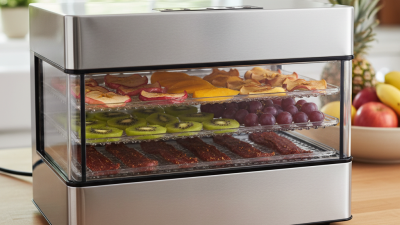
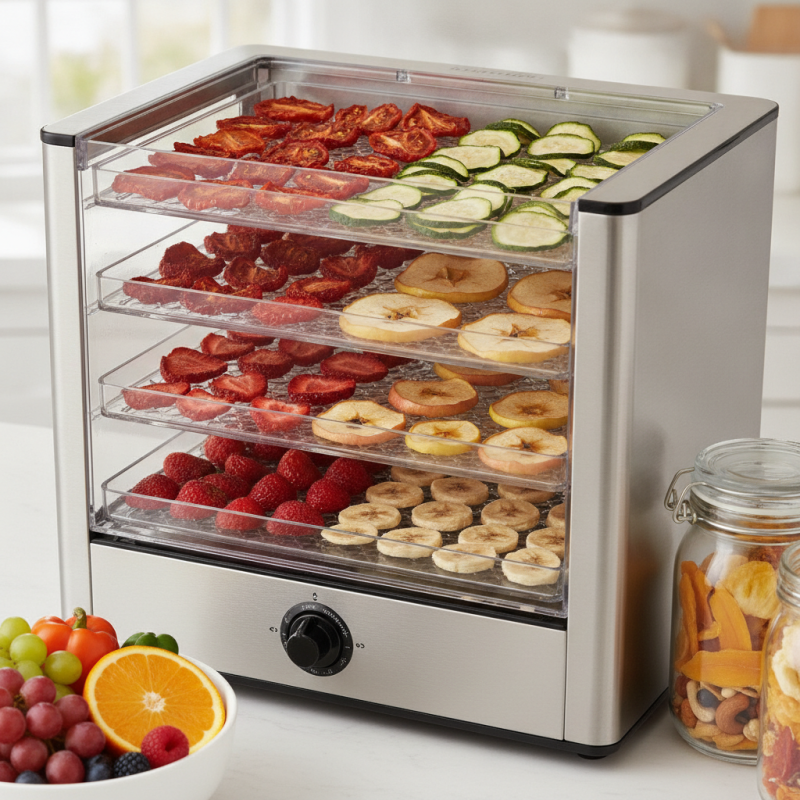
The Food Dehydrator Machine has become a staple in many kitchens seeking health-conscious solutions. Recent studies highlight that dried fruits retain up to 90% of their nutrients compared to fresh ones. This method not only preserves food but also enhances flavors without synthetic additives.
A food dehydrator offers numerous benefits for those aiming for a healthier lifestyle. It can reduce food waste significantly. In fact, about 30-40% of the food supply in the United States is wasted. The efficiency of a Food Dehydrator Machine allows users to convert surplus produce into long-lasting snacks.
Moreover, dehydration can extend shelf life and maintain taste, conquering the challenge of fresh produce spoiling quickly. Some may wonder about the effectiveness of different drying methods. Understanding these nuances can enhance your experience. The Food Dehydrator Machine proves to be an exceptional choice, combining flavor preservation and health benefits.
Health Benefits of Using Food Dehydrators for Nutrition Preservation
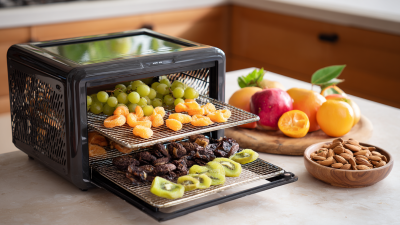
Dehydrating food preserves essential nutrients, greatly benefiting our health. Studies show that dehydrators can retain up to 97% of certain vitamins, such as vitamin A and C. This impressive statistic underscores the importance of using food dehydrators to maintain the nutritional integrity of fruits and vegetables.
Moreover, dried foods are lighter and easier to store. This makes them ideal for long-term preservation. The optimal drying temperature usually ranges between 125°F to 160°F. Keeping within this range ensures you eliminate moisture without damaging nutrients.
Tip: Always pre-treat fruits like apples and peaches with lemon juice to prevent oxidation. It enhances flavor and preserves color.
Additionally, dehydration helps reduce food waste. By removing moisture, you can store produce for extended periods, reducing spoilage. It's suitable for those looking to reduce their carbon footprint.
Tip: Remember, homemade dried snacks can be less uniform in texture and taste than store-bought options. Experimenting with different methods allows for unique results.
Addressing the appeal of homemade dried food, it invites creativity. However, it requires practice to perfect your technique. Each attempt brings you closer to achieving the desired taste.
How Dehydration Enhances the Shelf Life of Fruits and Vegetables
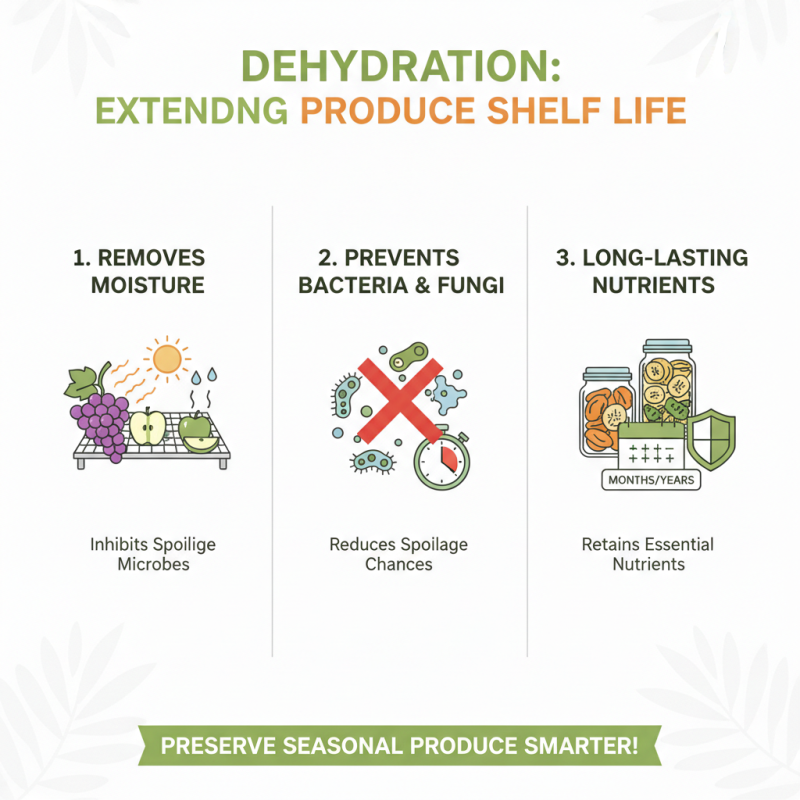
Dehydration is a remarkable technique for enhancing the shelf life of fruits and vegetables. By removing moisture, this process inhibits the growth of harmful bacteria and fungi. When moisture is eliminated, the chances of spoilage decrease significantly. Dried fruits and vegetables can be stored for months, even years, without losing their essential nutrients. This longevity makes dehydration a smart choice for preserving seasonal produce.
Tips: Always wash and dry your fruits and vegetables before dehydration. Slice them evenly to ensure uniform drying. This consistency is key to optimal results.
Certain vitamins, like A and C, can diminish during dehydration. However, the overall nutrient density often remains high. You might need to experiment with drying times and temperatures. Some people find that under-dried food can become a breeding ground for mold. On the flip side, over-dried food may lose flavor and texture.
Tips: Use a food dehydrator with adjustable settings. Keep an eye on the process to avoid overdoing it. Taste testing can help you find that perfect balance. Dehydrated slices can make for great snacks or ingredients in dishes, but finding the right method is part of the journey.
Cost-Effectiveness of Homemade Dehydrated Foods Compared to Store-Bought
Homemade dehydrated foods can significantly save money over store-bought options. Store-bought dehydrated snacks are often expensive. In contrast, using a food dehydrator allows you to transform surplus fruits and vegetables into nutritious snacks at a fraction of the cost. This process helps you manage food waste while enhancing your diet.
When you dehydrate your own foods, you control the ingredients. Commercial alternatives often contain added preservatives and sugars. By creating your own snacks, you ensure high-quality, natural ingredients. This not only boosts health benefits but also promotes mindful eating. You can create personal recipes tailored to your taste and dietary needs.
Tips for dehydrating effectively: Ensure your fruits and vegetables are fresh and fully washed. Slice them uniformly to achieve even drying. Monitor the dehydration process closely; over-drying can lead to texture changes. Experiment with herbs and spices to add unique flavors to your snacks. Remember, practice makes perfect. Each batch teaches you something new about timing and taste.
The Role of Dehydrators in Reducing Food Waste and Eco-Friendliness
Food dehydrators play a significant role in reducing food waste. According to the USDA, around 30-40% of the food supply in the U.S. is wasted. Dehydrating food extends its shelf life and prevents spoilage. This not only conserves food resources but also minimizes landfill waste.
Besides, dehydrators contribute to eco-friendliness. By preserving food, we reduce the carbon footprint associated with food production and disposal. A report from the Food and Agriculture Organization highlights that reducing food waste could lower greenhouse gas emissions by up to 25%. Thus, using a dehydrator is not just beneficial for your health but also for the planet.
**Tip:** Start with fruits and vegetables that are nearing their expiration. It’s a great way to save food while creating healthy snacks. Ensure you store dehydrated foods in airtight containers to maintain freshness.
Consider experimenting with different herbs and spices. Dried herbs can flavor meals without preservatives. It’s also wise to research proper dehydration techniques. Not every food dries the same way, which affects texture and taste.
Top 10 Benefits of Food Dehydrators for Health and Preservation
Versatility of Dehydrators: From Snacks to Meal Preparation and Storage
Food dehydrators offer remarkable versatility in meal preparation and storage. Dehydrating allows the preservation of seasonal fruits and vegetables. According to the USDA, dehydrating can extend shelf life by 1 to 3 years compared to fresh produce. This process maintains essential nutrients, making dehydrated foods not only portable but healthy options for snacking and cooking.
Dehydrators also have the ability to transform ingredients. You can create jerky from lean meats, crunchy snacks from kale, or delicious fruit leathers. A study from the Institute of Food Technologists highlights that dehydrating retains up to 97% of vitamins in fresh fruits. However, this can vary based on the dehydration temperature and time. Overheating may lead to nutrient loss.
Using a dehydrator for meal prep can simplify cooking routines. Cooked meals can be dehydrated for convenient storage, enabling busy individuals to enjoy homemade dishes. However, one must be careful with food safety practices. Improperly dehydrated foods can harbor bacteria. It’s important to follow guidelines for hygiene and storage. Balancing convenience and health is crucial in this fast-paced world.
Top 10 Food Dehydrator Machine Benefits for Health and Preservation
| Benefit |
Description |
Health Impact |
| Nutrient Preservation |
Dehydrators maintain essential vitamins and minerals found in fruits and vegetables. |
Supports overall health and wellness. |
| Long Shelf Life |
Dehydrating food extends its shelf life, reducing food waste. |
Promotes sustainability and cost-saving. |
| Versatile Use |
Useful for snacks, meal prep, or storage of various food items. |
Encourages a varied diet. |
| Convenience |
Simple to use with minimal setup required. |
Eases meal prep and planning. |
| Cost Effective |
Save money by making your own dried snacks. |
Supports budget-friendly eating. |
| Snack Healthiness |
Create healthy snacks without preservatives. |
Promotes healthier snacking habits. |
| Flavor Intensification |
Concentrates the flavors of foods. |
Enhances taste without adding calories. |
| Personalization |
Customizable recipes and flavors according to individual preferences. |
Encourages creativity in food preparation. |
| Less Fat Content |
Homemade dried foods can be made with little to no added fats. |
Supports low-fat diets. |
| Preservation of Freshness |
Keeps the food fresh without the need for refrigeration. |
Allows for easy storage and availability of healthy options. |