Why Choose Air Source Heat Pumps for Your Home Heating Needs?
As energy efficiency becomes increasingly vital in home heating, many homeowners are considering alternatives. Air Source Heat Pumps (ASHPs) are at the forefront of this shift. Expert John Smith, a renowned HVAC specialist, emphasizes, "Air Source Heat Pumps provide a smart balance of efficiency and comfort." His insights underline the growing trust in this technology.
These systems utilize ambient air to heat homes, making them stand out in sustainability. They minimize reliance on fossil fuels, which is crucial amid climate change discussions. However, some challenges exist. ASHPs may struggle in extreme cold, impacting performance in frigid climates. It's essential for homeowners to assess their local climate carefully.
Choosing Air Source Heat Pumps can lead to reduced energy bills and lower carbon footprints. Yet, understanding the nuances of installation and maintenance is vital. Homeowners must weigh these factors. Are ASHPs right for your home? The answer may not be simple, but awareness of their benefits and limitations is a step toward informed decision-making.

Understanding Air Source Heat Pumps: Principles and Functionality
Air source heat pumps (ASHPs) harness the power of the atmosphere to provide efficient heating for homes. These systems work by extracting heat from the outside air, even when temperatures are low. According to the U.S. Environmental Protection Agency, ASHPs can reduce energy costs by 30% to 60% compared to traditional heating systems. This efficiency makes them an appealing choice for homeowners seeking sustainable heating solutions.
The principle behind ASHPs is relatively straightforward. They absorb ambient air heat and transfer it indoors via a refrigerant cycle. In colder climates, advancements in technology have enabled these heat pumps to perform optimally, even at temperatures below freezing. Data from the Energy Saving Trust shows that, on average, ASHPs have a coefficient of performance (COP) of around 3.0, meaning they can produce three times more energy than they consume. However, performance can vary, depending on installation and environmental factors.
Tip: To maximize efficiency, ensure that your home is well-insulated. This will help the heat pump maintain consistent temperatures.
Some homeowners may hesitate due to the initial investment costs. While installation can be expensive, consider long-term savings on energy bills. Evaluating your funding options can help alleviate this concern.
Tip: Research local incentives and rebates, as many regions offer financial assistance for energy-efficient upgrades.
Benefits of Air Source Heat Pumps Compared to Traditional Heating Systems
Air source heat pumps have emerged as a popular alternative to traditional heating systems. They function by absorbing heat from the air outside and transferring it indoors. This process is efficient and environmentally friendly. Unlike conventional systems that burn fuel, heat pumps use electricity to operate, which can significantly reduce energy bills.
One of the main benefits of air source heat pumps is their versatility. They provide both heating and cooling, allowing homeowners to use the same system year-round. This dual functionality can lessen the need for multiple heating and cooling units. However, some homeowners may worry about their effectiveness in extremely cold climates. While heat pumps work well in milder conditions, they may require supplementary heating at very low temperatures. This is an important aspect to consider.
Reliability is another key factor. Air source heat pumps generally have fewer mechanical components compared to traditional systems, which can lead to less frequent repairs. Yet, the initial installation can be complex and may require professional expertise. It is crucial to assess the specific needs of your home to ensure optimal performance. Air source heat pumps can offer considerable energy savings, but not every installation will yield the same results. Each home is unique, and individual circumstances can greatly influence their efficiency.
Installation Considerations for Air Source Heat Pumps in Residential Buildings
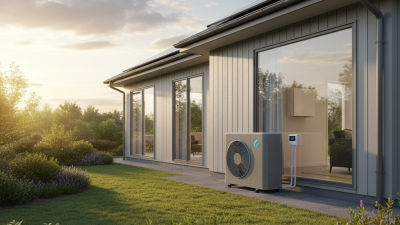
When considering air source heat pumps for home heating, installation plays a crucial role. These systems extract heat from the outside air, making them efficient and eco-friendly. However, proper placement and installation techniques are key to maximizing their effectiveness. It's essential to assess your home’s insulation and heating needs before installation.
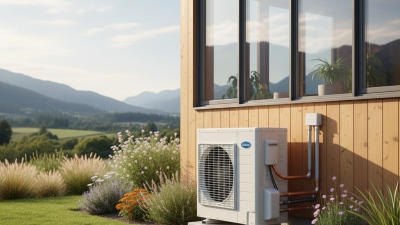
One important tip is to choose a location that provides adequate airflow. Avoid areas with obstructions. Ensure that the heat pump is placed away from any trees, bushes, or walls. This prevents any blockage that could impact performance. Also, ensure it is level and anchored securely.
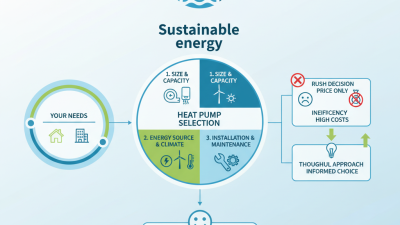
Considering local climate is vital as well. Air source heat pumps perform well in moderate climates but may struggle in extreme cold. It's wise to consult with an experienced installer who understands your area’s specific conditions. Regular maintenance is necessary to keep the system running efficiently. Understanding these installation details can lead to a satisfactory heating solution.
Energy Efficiency and Environmental Impact of Using Air Source Heat Pumps
Air source heat pumps (ASHPs) are gaining popularity for home heating due to their impressive energy efficiency. According to the U.S. Department of Energy, ASHPs can deliver 3-4 units of energy for every unit of electricity consumed. This high efficiency translates into reduced energy bills for homeowners. In regions with moderate climates, ASHPs are particularly effective, often achieving seasonal performance factors of over 3. The operational savings can be significant over time, appealing to energy-conscious consumers.
The environmental impact of using ASHPs is also noteworthy. These systems lower greenhouse gas emissions compared to traditional heating methods. The Natural Resources Defense Council reports that switching to ASHPs can reduce a household's carbon footprint by up to 50%. However, not everyone can benefit equally. In colder climates, their efficiency drops, and auxiliary heating may be required, leading to debates about their overall effectiveness.
Despite their advantages, ASHPs are not without flaws. The upfront installation cost can be a barrier for many. Additionally, their performance is heavily influenced by local weather conditions. Homeowners might face challenges in extremely cold weather, where additional heating systems become necessary. Finding balance and understanding these limitations is crucial when considering ASHPs as a sustainable solution for home heating.
Cost Analysis: Upfront Investment vs. Long-term Savings with Heat Pumps
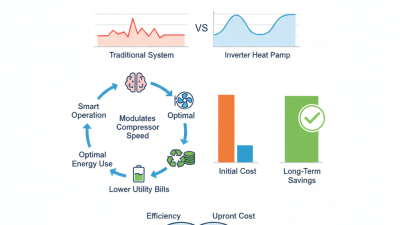
Air source heat pumps (ASHPs) offer a unique solution for home heating. Their upfront investment can seem daunting. However, it's essential to consider their long-term savings. This technology extracts heat from the air, even when temperatures drop. It can efficiently heat your home, significantly reducing energy bills over time.
The initial installation cost can vary. Homeowners might spend between $3,000 and $10,000. This includes equipment and installation. When comparing this investment to traditional heating systems, ASHPs can yield better savings. Many users report a 50% reduction in heating costs. While the payoff may take years, the benefits accumulate. It's worth analyzing your local climate. In warmer areas, the savings can be even more substantial.
Maintenance requirements are relatively low. Proper care ensures a long lifespan. Yet, some overlook routine checks. This can lead to performance issues. Every homeowner should weigh the initial costs against potential savings. ASHPs are not for everyone, but they can be game-changers in the right conditions. The decision hinges on specific home circumstances and long-term energy goals.