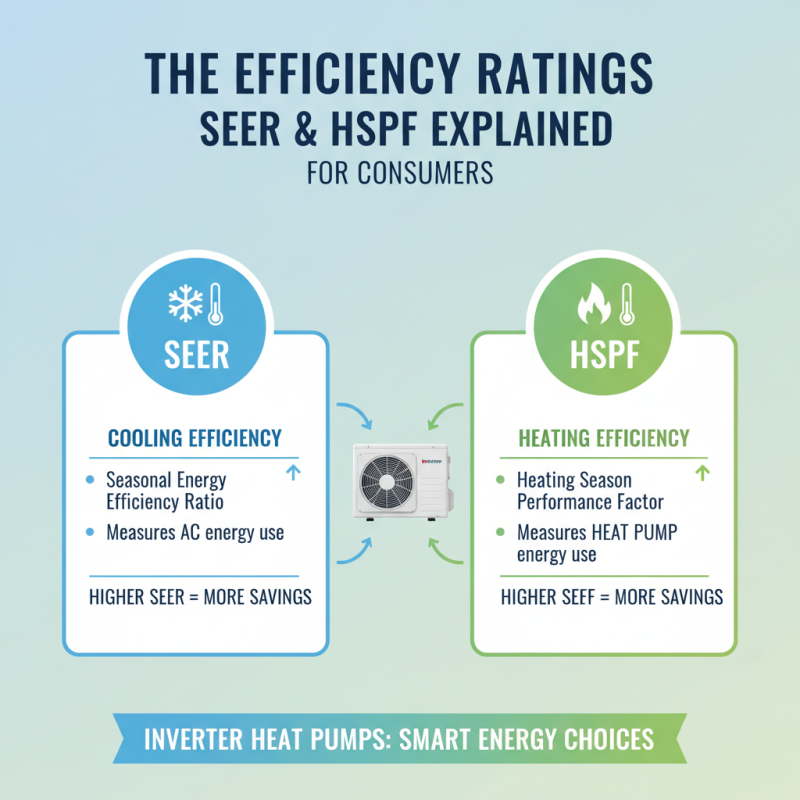
Why Choose Inverter Heat Pump for Energy Efficient Heating?
In recent years, energy efficiency has become a top priority for homeowners. Many are turning to innovative solutions. Among these, the Inverter Heat Pump stands out as a game-changer. John Smith, a leading expert in energy solutions, emphasizes, "Inverter Heat Pumps can reduce energy consumption significantly." This technology is designed to adjust its operation based on heating needs.
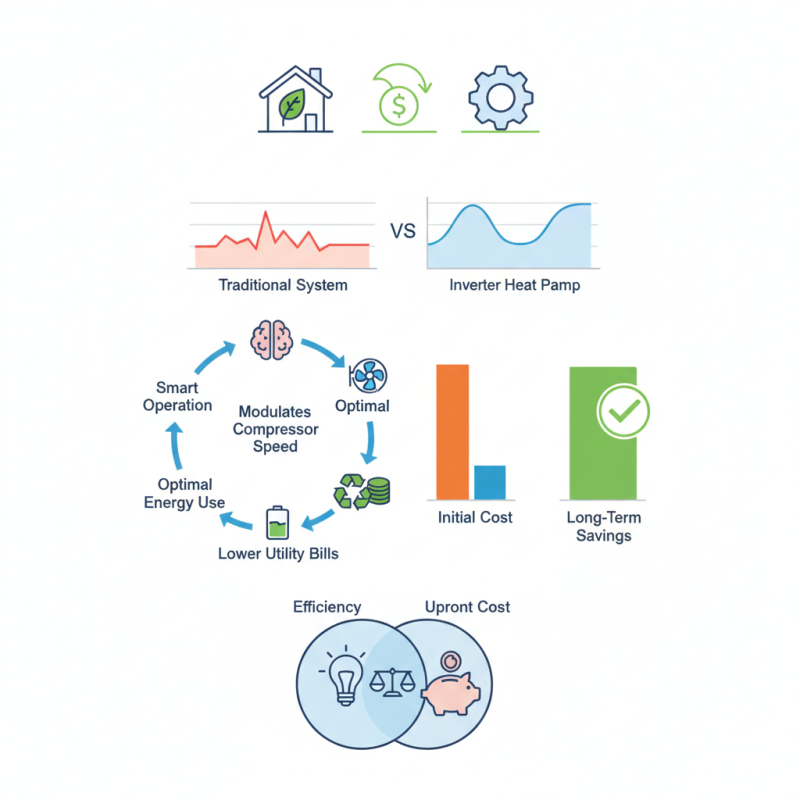
The Inverter Heat Pump operates more intelligently than traditional systems. It modulates the compressor speed, ensuring optimal energy use at all times. This adaptability leads to less energy waste and lower utility bills. However, not all homes may be suitable for this system. Some users report high installation costs, raising questions about value for money.
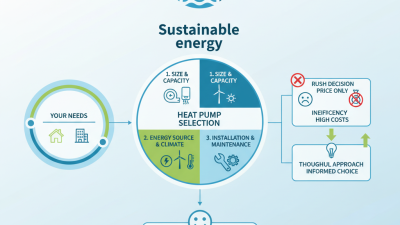
Despite this, the long-term savings offered by Inverter Heat Pumps often outweigh the initial investment. Choosing the right model is crucial. Homeowners should carefully assess their heating needs before making a decision. The balance between efficiency and upfront costs should be seriously considered.
Understanding Inverter Heat Pumps and Their Technology
Inverter heat pumps use advanced technology for efficient heating. They adjust their power based on the temperature. This modulation leads to reduced energy consumption. Many households appreciate this energy-saving feature. It provides warmth without overusing electricity.
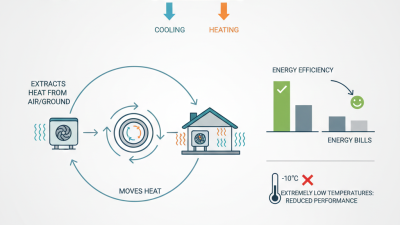
Understanding how inverter heat pumps work can help in making informed choices. These systems circulate refrigerant fluid, absorbing heat from the outside. Even in colder weather, they extract heat efficiently. The design minimizes energy waste, making them reliable. Yet, achieving optimal performance often requires careful installation. Mistakes in setup can diminish their effectiveness.
Users may notice fluctuating performance in extreme temperatures. This can raise questions about their reliability. Regular maintenance is essential to keep these systems working well. Learning more about them can lead to better energy decisions. Inverter heat pumps can be a smart choice, but they demand responsibility. It's crucial to stay informed and proactive about their care.
Comparative Analysis: Inverter Heat Pumps vs. Traditional Heating Systems
Inverter heat pumps are gaining attention for
energy-efficient heating. They operate quietly
and adapt to temperature changes seamlessly. This is a stark contrast to traditional heating systems,
which rely on set levels of heating. Inverter technology allows for variable compressor speeds, making
it easier to maintain consistent comfort in your
home.
Traditional systems can be less efficient, often running at full capacity regardless of the demand.
This leads to energy wastage and higher utility bills.
Additionally, inverter heat pumps can draw heat from the air, even in colder months. This often translates
to lower emissions and a reduced carbon footprint, presenting a more sustainable alternative.
Tip: Consider zoning in your home. Using inverter heat pumps in specific areas can enhance efficiency.
Also, regular maintenance checks will ensure optimal performance and longevity. By adopting these practices,
you can elevate your energy efficiency while making thoughtful choices.
Cost Savings and Long-term Benefits of Inverter Heat Pumps
Inverter heat pumps are gaining popularity for heating due to their energy efficiency. They adjust their power output continuously. This feature enhances comfort while minimizing energy waste. By operating at variable speeds, these systems consume less electricity compared to traditional heating options.
Cost savings can be significant over time. Many homeowners report lower utility bills after switching to inverter heat pumps. The initial investment might seem high, but the long-term financial benefits outweigh the upfront costs. Studies show that the energy savings can often recover the installation costs within a few years.
However, not every installation goes perfectly. Some users struggle with the complexity of maintenance. Regular upkeep is essential to sustain efficiency and performance. It's important to find a reliable technician for service and repairs. Overall, the long-term benefits often justify the investment and maintenance. Yet, it's crucial to weigh these factors carefully before deciding.
Why Choose Inverter Heat Pump for Energy Efficient Heating? - Cost Savings and Long-term Benefits of Inverter Heat Pumps
| Dimension |
Standard Heat Pump |
Inverter Heat Pump |
| Initial Cost |
$3,500 |
$4,500 |
| Estimated Annual Energy Savings |
$300 |
$500 |
| Average Lifespan |
15 years |
20 years |
| Noise Level |
60 dB |
40 dB |
| Heating Efficiency (COP) |
3.0 |
4.5 |
| Environmental Impact (CO2 Reduction) |
1.5 tons/year |
2.5 tons/year |
Environmental Impact: Reducing Carbon Footprint with Energy Efficiency
In recent years, inverter heat pumps have gained attention for their role in energy-efficient heating. These systems operate quietly and efficiently, consuming less electricity compared to traditional heating solutions. They adjust their output based on heating needs, which minimizes energy waste. This adaptability leads to lower utility bills and a smaller carbon footprint.
The environmental impact of using inverter heat pumps is significant. By reducing overall energy consumption, they contribute to the fight against climate change. When fewer fossil fuels are burned, the harmful greenhouse gases emitted into the atmosphere decrease. However, it’s essential to consider the energy source. If the electricity is generated from non-renewable resources, the environmental benefits may diminish.
While inverter heat pumps are energy-efficient, users must also reflect on their installation and maintenance. An improper setup can lead to inefficiencies. Regular maintenance is crucial for long-term effectiveness. A neglected system may not perform optimally, which could lead to higher energy costs and negate some environmental benefits. Thus, it’s important to weigh these factors carefully when considering an inverter heat pump.