How to Choose the Best Monoblock Heat Pump for Your Needs?
Choosing the right Monoblock Heat Pump can significantly impact your energy efficiency and comfort. According to a recent report by the International Energy Agency (IEA), heat pumps can reduce carbon emissions by up to 70% compared to traditional heating systems. This statistic highlights the importance of selecting the right system tailored to your unique needs.
Renowned industry expert Dr. Emily Cohen states, "Investing in a quality Monoblock Heat Pump can yield long-term savings and sustainability." Her insights emphasize that understanding the specifications and features of different models is crucial. The market has several options, but not every heat pump suits every property type or climate zone.
Consumers often overlook the significance of installation and maintenance. A poorly installed Monoblock Heat Pump can lead to inefficiency and increased costs. Awareness of these factors can help in making a better-informed decision, ultimately leading to a system that works efficiently for years.
Understanding the Basics of Monoblock Heat Pumps and Their Functionality
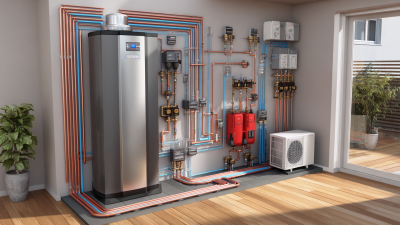
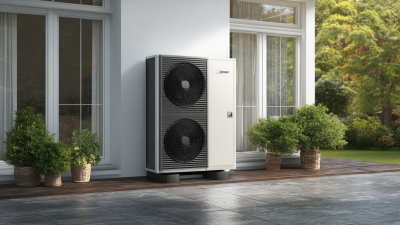
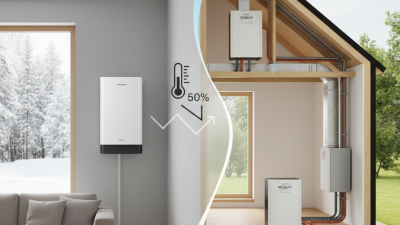
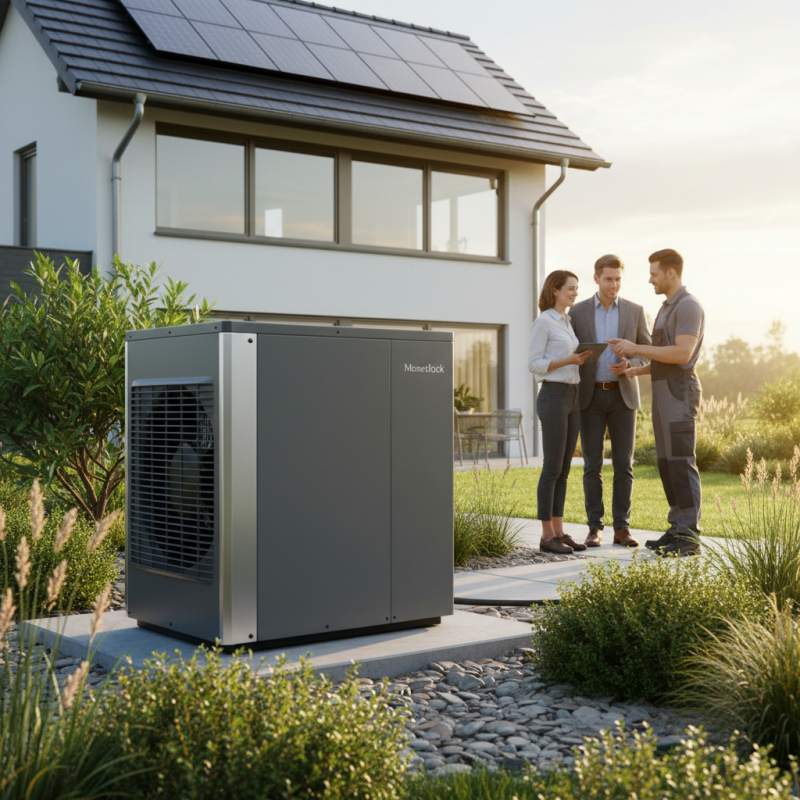
Monoblock heat pumps are gaining popularity for their efficiency and ease of use. Unlike split systems, monoblock units house all components in one unit, minimizing installation complexity. They are particularly suited for residential settings where space is limited. Understanding how these systems work is essential for choosing the right model. A monoblock heat pump extracts heat from the outside air, even in colder temperatures, to provide heating indoors.
When considering a monoblock heat pump, pay attention to its capacity. Calculating your home's heating requirements is crucial. Too small a unit will struggle in winter, while an oversized unit may cycle frequently, wasting energy. Noise levels can also vary between models, impacting comfort. It’s beneficial to check for sound ratings, especially if the unit will be near living areas.
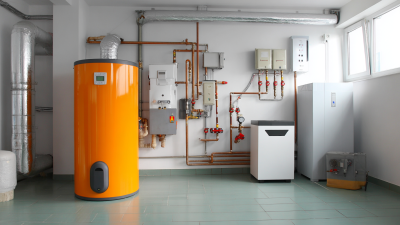
Installation should also be taken into account. While monoblock heat pumps are easier to install, site placement can affect performance. Ensure adequate clearance for airflow. Regular maintenance is vital for efficiency, including cleaning filters and checking refrigerant levels. Reflecting on these aspects will help you select a suitable model for your needs.
Key Factors to Consider When Selecting a Monoblock Heat Pump
Choosing the right monoblock heat pump for your needs can be challenging. There are critical factors to consider to ensure optimal performance and efficiency. Start by assessing the heating capacity required for your space. The size of the area significantly impacts your selection. A pump too small won’t heat effectively, while an oversized unit can waste energy.
Consider the climate conditions in your location. Monoblock heat pumps operate best within certain temperature ranges. If you live in an area with extreme weather, look for pumps rated for lower temperatures. These specifications directly affect comfort and efficiency.
Tips: Always review energy efficiency ratings. Look for models with high ratings, as they can save you money over time. Consult professionals for installation advice to avoid costly mistakes. It’s also wise to read user reviews. Real experiences can reveal potential drawbacks.
Think about noise levels too. Some heat pumps can be quite loud, which might not be ideal for residential areas. If noise is a concern, choose models designed for quieter operation. Input from friends or online groups can help you make a more informed decision.
Comparison of Key Factors in Choosing a Monoblock Heat Pump
Energy Efficiency Ratings and Their Importance in Heat Pump Selection
When choosing a monoblock heat pump, energy efficiency ratings are crucial. These ratings help gauge how much energy the pump uses versus the heating output it provides. Understanding these ratings can lead to significant cost savings over time. A higher efficiency rating often correlates with lower energy bills. Still, one must consider the specific conditions of their home.
Consider your climate carefully. Energy ratings can differ widely in performance. A pump may excel in one region but underperform in another. Local temperatures, humidity, and installation quality all impact performance. Be aware that a high rating does not guarantee optimal functionality in every situation. Researching local weather patterns can guide better decisions.
While energy efficiency is vital, don't overlook the initial cost of the unit. Sometimes, more efficient options come with a higher price tag. This can lead to dilemmas for cost-conscious consumers. It’s essential to evaluate your budget against long-term savings. Engage with certified professionals to better understand your unique needs. Make informed decisions based on reliable data.
Sizing Your Monoblock Heat Pump: Calculating Heating and Cooling Needs
When selecting a monoblock heat pump, understanding your specific heating and cooling needs is crucial. This process begins with calculating the thermal requirements of your space. Consider factors such as square footage, insulation quality, and the number of windows. Each element plays a significant role in determining the right capacity for your heat pump.
Another important aspect is the climate of your location. Warmer regions may require different sizing parameters than areas with colder winters. It’s essential to analyze energy consumption patterns as well. A heat pump that is too small will struggle to maintain comfort. Conversely, an oversized unit can lead to inefficiencies and increased operating costs.
Take time to reflect on your choices. Mistakes can happen, even to experienced homeowners. It's advisable to consult with HVAC professionals for accurate calculations. Their expertise can help tailor a solution that meets your unique requirements. Remember, proper sizing is not just a technical exercise; it's about creating a comfortable and energy-efficient living environment.
Comparing Costs: Initial Investment vs. Long-Term Savings of Heat Pumps
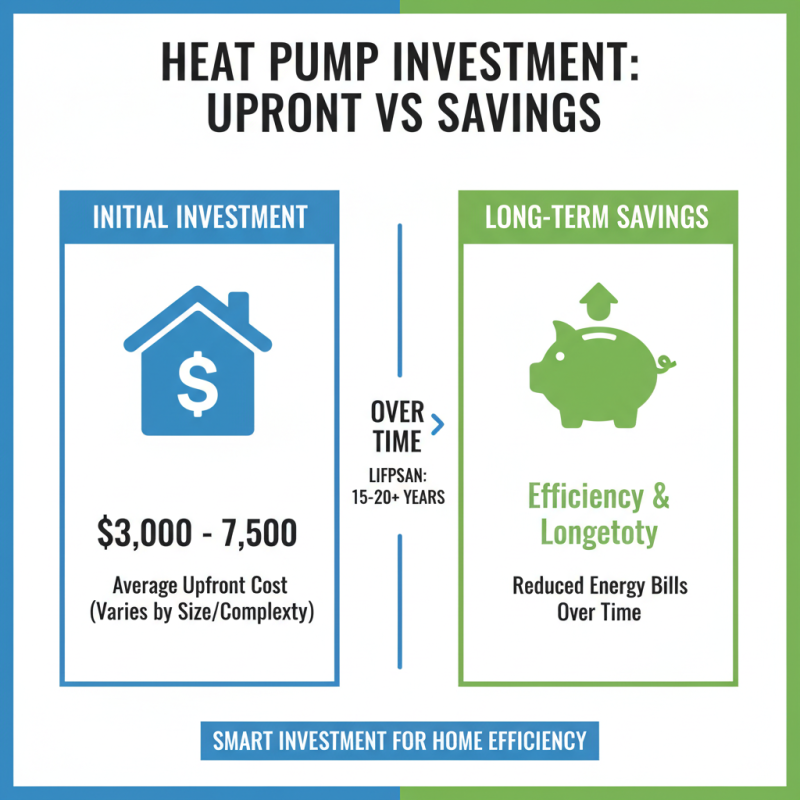
When considering the costs associated with monoblock heat pumps, the initial investment can often seem daunting. Reports indicate that the average upfront cost for a heat pump installation ranges from $3,000 to $7,500. While this figure can vary significantly based on size and complexity, it is important to remember that these systems are built for longevity and efficiency.
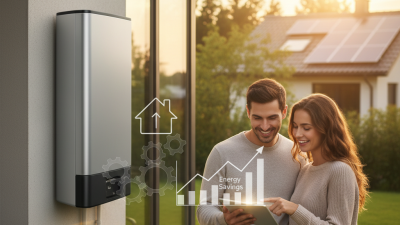
Over time, the long-term savings can far exceed these initial costs. Studies show that homeowners can save up to 50% on energy bills compared to traditional heating systems. With rising energy prices, this could translate to annual savings between $500 and $1,200. These factors must be weighed against the upfront costs. For many, the payback period typically ranges from 3 to 7 years, which might feel lengthy when funds are limited.
Moreover, financial incentives and rebates are available in many regions, which can significantly reduce that initial investment. However, not every homeowner qualifies. It's vital to conduct thorough research based on your specific circumstances and energy needs. The decision should reflect both immediate financial capabilities and long-term goals.