How to Choose the Best Mini Split Heat Pump for Your Home?
Choosing a Mini Split Heat Pump involves careful consideration of several factors. This decision can significantly impact your home's comfort and energy efficiency. A Mini Split Heat Pump offers flexibility and convenience. It can cool or heat different zones of your home efficiently.
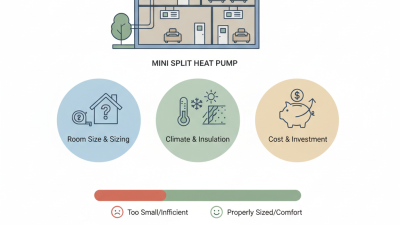
When selecting the best model, consider the size of your space. Oversized units may cycle on and off too frequently, leading to inefficiency. Conversely, undersized units struggle to maintain a comfortable temperature, resulting in frustration. Take time to assess your home's insulation, layout, and climate.
Additionally, the manufacturer's reputation matters. A well-known brand often indicates reliability and performance. Research consumer reviews and expert recommendations to gauge the product’s effectiveness. Reflect on your home’s unique needs to ensure the best choice is made. Investing thoughtfully will lead to comfort and satisfaction for years to come.
Understanding Mini Split Heat Pumps: Basics and Benefits
Mini split heat pumps are a popular choice among homeowners for their efficiency and versatility. These systems offer both heating and cooling, making them suitable for various climates. According to the U.S. Department of Energy, mini split heat pumps can reduce energy usage by 30% to 40% compared to conventional heating and cooling systems. This substantial saving highlights their growing appeal.
Understanding the basics of mini split heat pumps is crucial. They consist of an outdoor compressor and one or more indoor air-handling units. This design allows for zoned heating and cooling. Homeowners can adjust the temperature in individual rooms, which leads to increased comfort and efficiency. However, it’s important to choose the right size for your space. An oversized unit may lead to energy wastage while an undersized one will struggle to maintain comfort levels.
While these systems have many benefits, not every installation is problem-free. Factors such as improper sizing and installation can hinder performance. Regular maintenance is required to ensure longevity and efficiency. In some cases, the initial investment can be significant. It’s wise to weigh the long-term savings against upfront costs before deciding. Proper research and consultation with HVAC professionals can help address these challenges.
How to Choose the Best Mini Split Heat Pump for Your Home?
| Feature |
Description |
Benefits |
| Energy Efficiency |
Mini splits typically have higher SEER ratings compared to traditional systems. |
Lower energy bills, reduced environmental impact. |
| Zoning Capability |
Allows control of the temperature in different areas of the home. |
Personalized comfort levels and energy savings in unused rooms. |
| Installation Flexibility |
Requires less invasive installation than ducted systems. |
Ideal for retrofitting or homes with no ductwork. |
| Heating and Cooling |
Provides both heating and cooling in one system. |
Versatile use throughout the year. |
| Low Noise Levels |
Operates quietly compared to traditional HVAC systems. |
Improved indoor comfort without excessive noise. |
| Advanced Filtration |
Equipped with filters that improve indoor air quality. |
Healthier living environment for occupants. |
Determining the Right Size for Your Mini Split Heat Pump
Choosing the right size for a mini split heat pump is crucial for efficient heating and cooling. An undersized unit may struggle to maintain comfortable temperatures. Conversely, an oversized system can waste energy and lead to increased costs. According to a study by the Department of Energy, improperly sized systems can decrease efficiency by up to 30%. This can lead to higher bills and a shorter lifespan for the unit.
To determine the right size, you need to calculate the heating and cooling needs of your space. This is typically measured in British Thermal Units (BTUs). Factors influencing BTU requirements include room size, insulation, climate, and number of occupants. For instance, a well-insulated room in a temperate climate may only need around 20 BTUs per square foot. In contrast, a poorly insulated space could require 30 BTUs or more.
However, this calculation can be imperfect. Homeowners often overlook factors like windows and appliances that produce heat. These elements can greatly influence the overall temperature in a room. It's vital to consult with HVAC professionals to get a more precise measurement. They can conduct a Manual J load calculation, taking into account all variables, ensuring you select a mini split that meets your home’s unique demands.
Choosing the Right Size for Your Mini Split Heat Pump
Evaluating Energy Efficiency Ratings for Heat Pumps
When selecting a mini split heat pump, energy efficiency ratings are crucial. Look for the Seasonal Energy Efficiency Ratio (SEER) and Heating Seasonal Performance Factor (HSPF). Higher ratings indicate better efficiency. This means lower utility bills and a smaller carbon footprint. A SEER rating of 16 or higher is advisable for optimal performance.
Consider your home’s size. A heat pump that is too small may struggle, while one that is too large could cycle too often. This can reduce efficiency and comfort. Consulting with a qualified HVAC professional can help determine the right size for your space.
Tips: Examine the Energy Star label. This certification ensures that the model meets strict efficiency guidelines. Also, check local climate conditions. Some regions may require specific features for better adaptation.
Reflect on your lifestyle and usage patterns. Are you home often? Do you have rooms that are rarely used? These factors can inform your decision, allowing for more suitable energy efficiency choices.
Considering Installation and Maintenance Requirements
When choosing a mini split heat pump, installation and maintenance are critical. Proper installation ensures that the system runs efficiently. Hiring a professional is often advised. They can assess the specific needs of your home. An expert installation can significantly reduce future issues.
Maintenance is also vital for optimal performance. Regular checks can extend the life of your heat pump. Simple tasks like cleaning filters can enhance efficiency. Neglecting these tasks might lead to costly repairs later. You may also want to consider how easy it is to access key components for maintenance.
Tips: Look for units that come with clear maintenance guidelines. Check if they have built-in diagnostic tools. These features can simplify upkeep. Lastly, think about the noise level. Quiet operation contributes to comfort. A well-installed and maintained heat pump can provide reliable climate control for years.
Comparing Costs and Brands for Mini Split Heat Pumps
Choosing the right mini-split heat pump involves examining various brands and costs. Each brand offers unique features and efficiency ratings. It's essential to compare these aspects to ensure you select a unit that fits your needs. The efficiency of a mini-split system can impact your long-term energy costs considerably.
When evaluating costs, consider not just the upfront price but also installation fees and warranties. Some units might seem affordable initially but can lead to higher operating costs. Researching online reviews provides insight into user experiences. This data can reveal trends in reliability and service support, which are crucial for long-term satisfaction.
Brand reputation plays a vital role in your decision. Well-established companies often provide dependable products and better customer service. However, newer brands may offer innovative features at competitive prices. Weighing your options carefully is necessary since a poor choice can lead to frustration in the future. Take your time to dig deep into user feedback and expert advice before making a final decision.