How to Choose the Right Heat Pump Heater for Your Home?
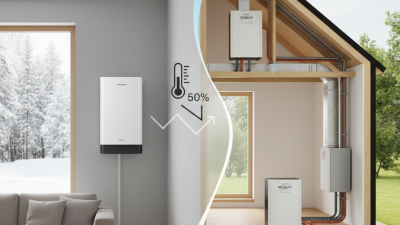
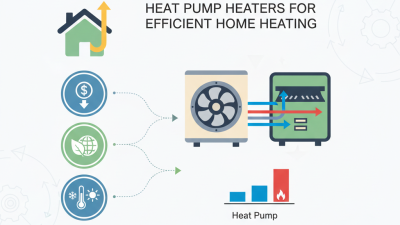
Choosing the right Heat Pump Heater for your home can seem daunting. The market offers various options, but knowing where to start is key. According to the U.S. Department of Energy, heat pump heaters can be 300% more efficient than traditional heating systems. This means considerable savings on energy bills over time.
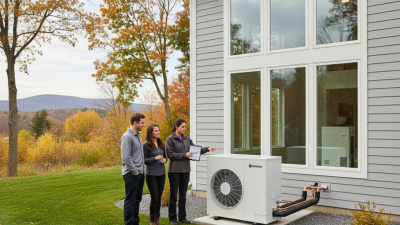
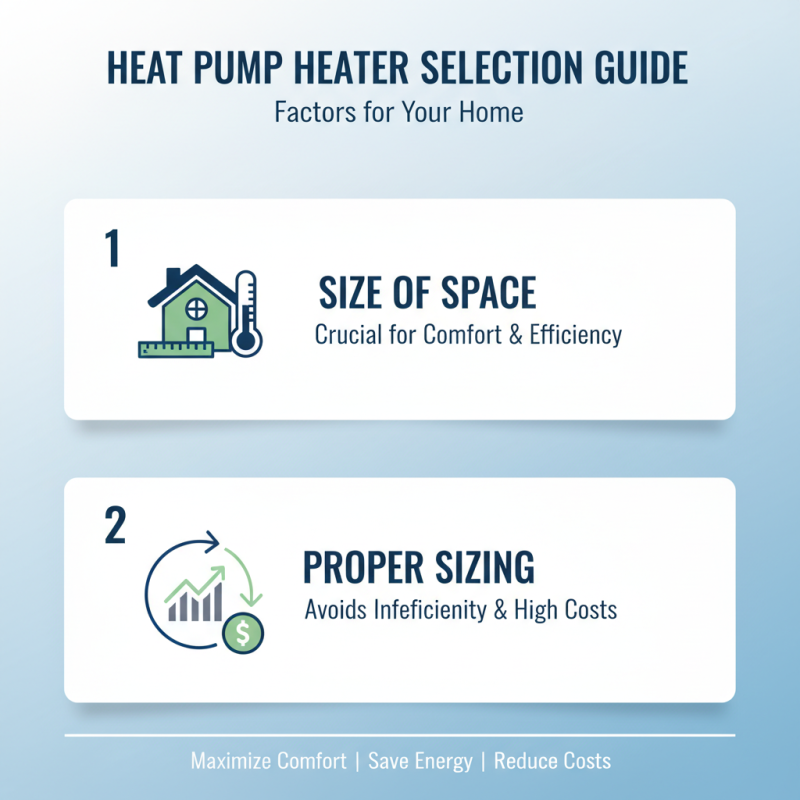
Many homeowners overlook the importance of sizing and placement. An improperly sized unit won't operate efficiently, leading to discomfort and wasted energy. The quality of the installation is just as crucial; even the best heat pump can underperform if not installed correctly. A study by Energy Star found that improper installation can reduce efficiency by up to 30%.
It's essential to consider local climate conditions as well. Heat pump heaters may not perform optimally in extremely cold temperatures without supplemental heating. Knowledge of your specific needs and the local environment will guide you in making an informed choice. Remember, selecting a heat pump heater is an investment in comfort and efficiency.
Understanding the Basics of Heat Pump Heaters
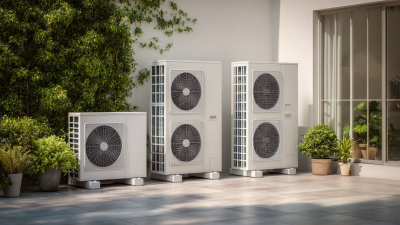
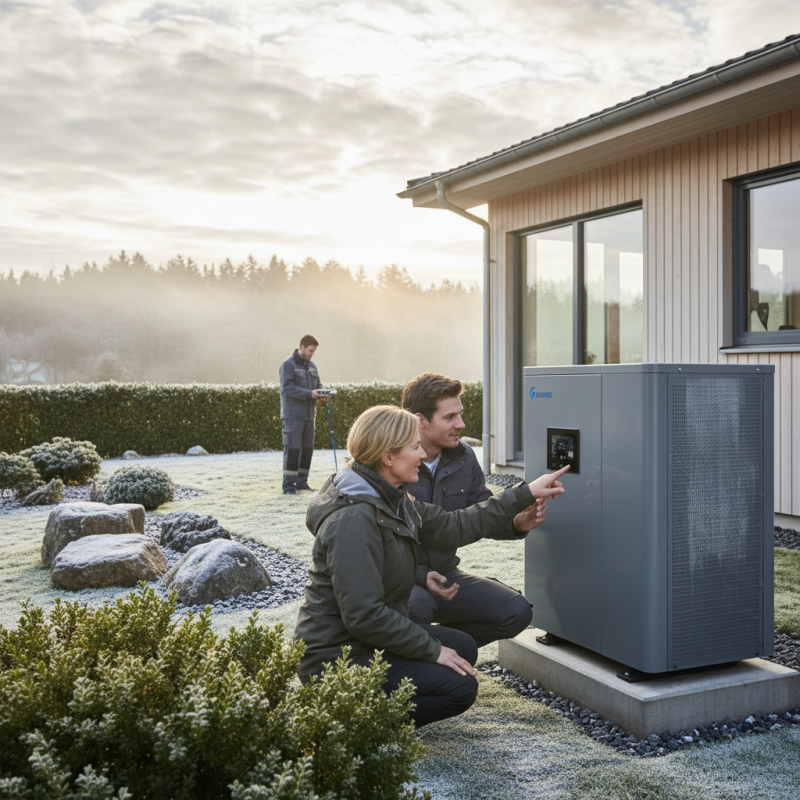
Heat pump heaters are an efficient option for residential heating. Understanding how they work is crucial for making informed choices for your home. These systems transfer heat from the outside air, ground, or water, and deliver it indoors. They can reduce energy bills by 30-40% when properly installed and maintained, according to the U.S. Department of Energy.
There are two main types of heat pumps: air-source and ground-source. Air-source heat pumps are common in milder climates. They can extract heat even in low temperatures. Ground-source systems, or geothermal heat pumps, leverage stable ground temperatures. They may involve higher upfront costs, but potential savings over time justify the investment. Studies show that homeowners can benefit from a 300% efficiency rate with well-designed ground-source systems.
Selecting the right size and type for your home is essential. Oversized units can lead to higher energy costs. They often cycle on and off too frequently, reducing efficiency. Inadequate units struggle to maintain comfort levels in extreme temperatures. Consider your home’s specific insulation, location, and existing ductwork when choosing a system. Gathering input from professionals can guide you in making a choice aligned with your home’s needs.
How to Choose the Right Heat Pump Heater for Your Home? - Understanding the Basics of Heat Pump Heaters
| Dimension |
Description |
Example Values |
| Heating Capacity |
The amount of heat the pump can provide (measured in BTUs) |
15,000 - 60,000 BTU |
| Energy Efficiency Ratio (EER) |
A measure of how efficiently a heat pump operates when cooling |
8 - 12 |
| Coefficient of Performance (COP) |
Measures heating efficiency; ratio of heat output to electricity input |
3 - 5 |
| Type of Heat Pump |
Refers to the heat source for the pump (air, ground, or water) |
Air-source, Geothermal, Water-source |
| Climate Suitability |
Indicates the regions where a heat pump operates efficiently |
Mild, Temperate, Cold |
| Price Range |
Cost of purchasing and installing the heat pump |
$3,000 - $7,500 |
Types of Heat Pump Heaters: Air, Ground, and Water Source
When choosing a heat pump heater, understanding the types available is crucial. There are three main types:
air source, ground source, and water source. Each type has its benefits and considerations.
Air source heat pumps are popular in residential applications. They extract heat from outdoor air.
According to the U.S. Department of Energy, these systems can achieve efficiencies of 300% to 400%.
They work best in moderate climates but may struggle in extremely cold temperatures.
Ground source heat pumps offer superior efficiency. They use stable ground temperatures, resulting in seasonal
performance factors (SPFs) often exceeding 5. However, installation can be costly and invasive.
Water source heat pumps draw from nearby water bodies. They offer higher efficiency but require specific
conditions. If water levels fluctuate, the effectiveness may decline. All options can be affected by the installation location and home insulation.
Carefully consider these factors. Balancing efficiency, upfront costs, and ongoing maintenance is essential.
Engage with a qualified HVAC professional to assess which system aligns best with your needs.
Evaluating Your Home's Heating Needs and Energy Efficiency
When selecting a heat pump heater, assessing your home's heating needs is vital. Start by measuring your home's square footage. A larger space will require a more powerful unit. Consider factors like insulation quality and window types, as these affect heat retention. Drafty homes need extra attention; you may need a more robust solution.
Energy efficiency is another critical aspect. Check the Seasonal Energy Efficiency Ratio (SEER) rating. Higher SEER values indicate better efficiency. Think about your local climate as well; heat pumps perform differently in extreme temperatures. If your region experiences cold winters, a heat pump with a high heating capacity may be essential.
Every home is unique, which adds complexity to the decision. Sometimes, homeowners miscalculate their heating requirements. A professional evaluation can provide clarity. They assess both your current setup and future needs. Be aware that investing in an efficient system may lead to long-term savings. However, upfront costs can be significant. Balancing these factors will help you make a more informed choice.
Installation and Maintenance Tips for Optimal Performance
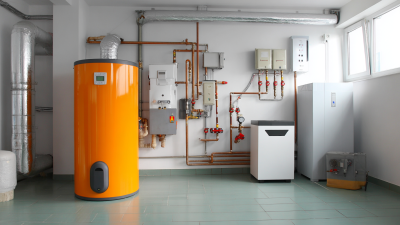
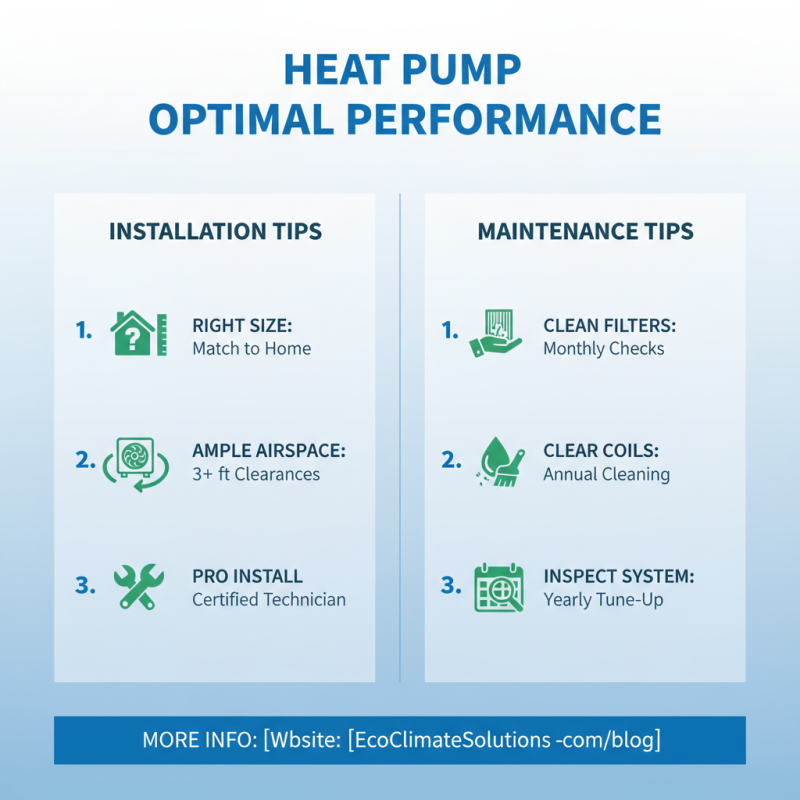
When considering the installation of a heat pump heater, proper installation is key. Start by selecting the appropriate size for your home. A unit too small won't suffice, while an oversized model can lead to inefficiency. Create a vast air space around the unit for better airflow. This step is often overlooked, yet it significantly impacts performance.
Regular maintenance is crucial for optimal functionality. Check the filter every month. A dirty filter can restrict airflow and reduce efficiency. Clean or replace it as needed. Inspect the outdoor unit for debris, such as leaves or dirt, that can hinder its operation. A simple clean-up can enhance performance significantly.
Don't neglect to schedule professional maintenance annually. Technicians can identify issues early, preventing costly repairs. They can also optimize system settings for greater efficiency. Many homeowners skip this, thinking they can handle everything themselves, but it often leads to bigger problems down the line. Taking these proactive steps can ensure a reliable heating solution for your home.