How to Choose the Right Heat Pump Heater for Your Home?
Selecting the right heat pump heater can be daunting. With so many options, it's crucial to find one that fits your needs. According to expert Jane Smith, a renowned HVAC specialist, “A heat pump heater should be efficient and suitable for your climate.” Her insights highlight the importance of understanding both efficiency and local weather conditions when choosing a system.
It's essential to consider your home’s size and insulation. A well-insulated home may need a smaller unit. Conversely, larger spaces often require more powerful heat pump heaters. Take time to assess these details before purchasing. Not doing so can lead to inefficient heating and higher energy bills.
Additionally, installation plays a key role in performance. Improper installation can diminish efficiency. Finding a qualified technician for your heat pump heater is vital. You want to ensure it functions as intended. Reflect on your choices carefully. It's easy to overlook these factors during the buying process. However, taking the time to evaluate your options can lead to better long-term comfort and savings.
Understanding the Basics of Heat Pump Heaters
Choosing the right heat pump heater involves understanding how they work.
Heat pump heaters transfer heat from outside to inside your home. They are especially efficient in milder climates.
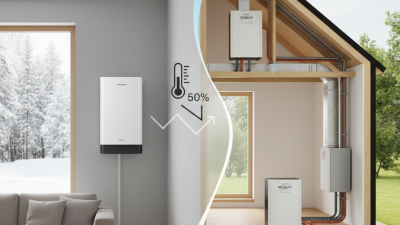
However, they may struggle in extreme cold. Knowing your local climate can guide your decision.
Energy efficiency ratings are crucial. Look for models with high ratings to save on energy bills.
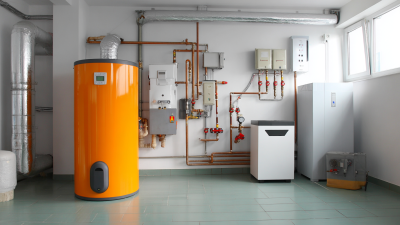
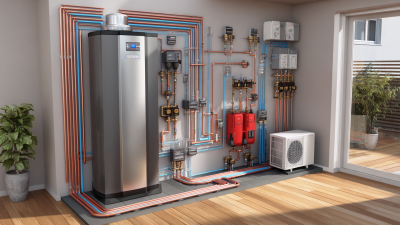
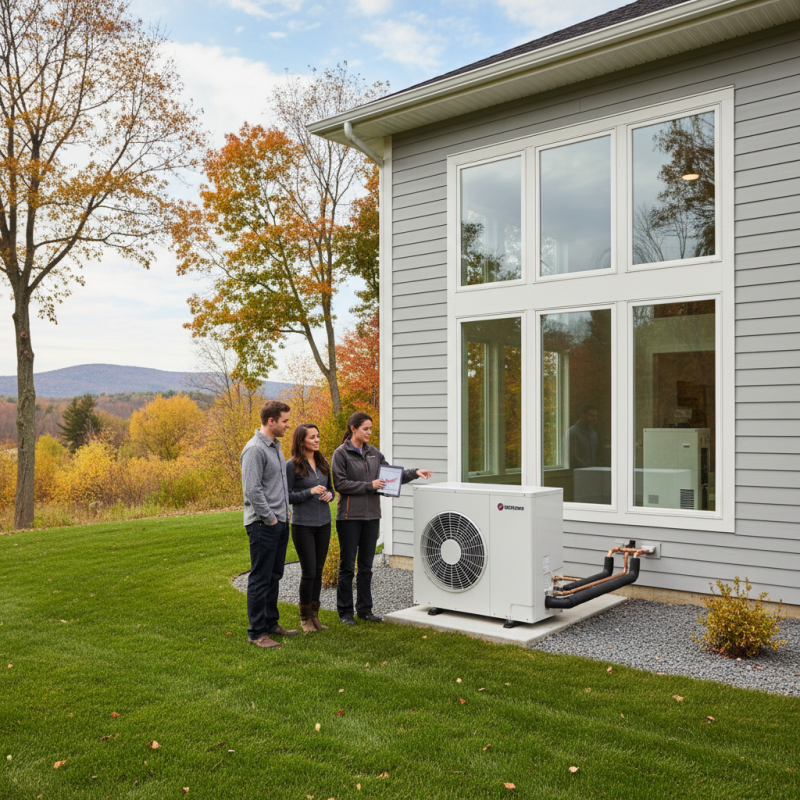
Installation is vital too. Improper installation can lead to inefficiencies. You might find it helpful to consult with an expert.
They can assess your home’s specific heating needs.
Consider the size of the unit. An undersized pump won't heat your home adequately. An oversized one can waste energy. A balance is necessary.
Also, think about noise levels. Some units can be quite loud. It’s important to factor this into your choice.
Understanding these basics can simplify your selection process.
Evaluating Your Home's Heating Needs
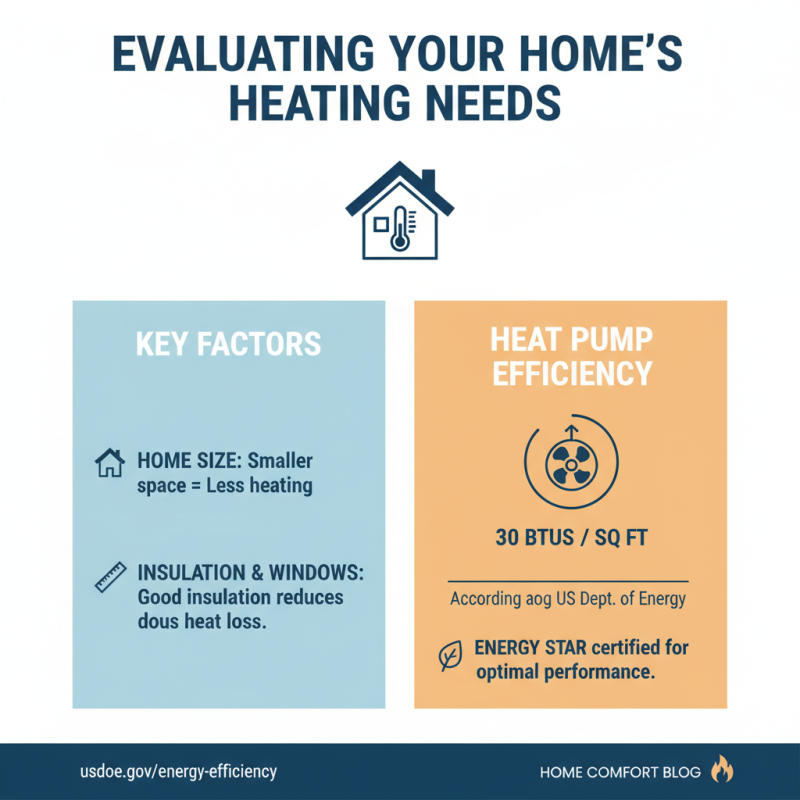
When evaluating your home's heating needs, it's crucial to consider several key factors. Start with your home size. A smaller space generally requires less heating capacity. According to the U.S. Department of Energy, an efficient heat pump should deliver about 30 BTUs for each square foot of living space.
Next, examine your insulation. Homes with poor insulation may lose heat rapidly. This issue can inflate your energy bills. Evaluate windows and doors for drafts. Additionally, climate plays a significant role. In colder regions, heat pumps may struggle to maintain temperature. The system's efficiency drops in extreme cold.
Don’t forget about your household's lifestyle. Are you home often? Do you prefer a warm environment? These preferences influence the size and type of heat pump needed. An energy assessment can help identify these aspects. A professional consultation may also highlight areas for improvement. Yet, many homeowners overlook these crucial steps. Ignoring them can lead to inefficient heating solutions.
Types of Heat Pump Heaters and Their Applications
When considering heat pump heaters, it's crucial to understand the different types available.
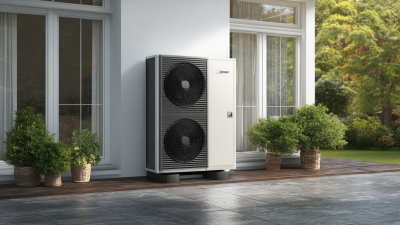
Air-source heat pumps are among the most common. They extract heat from outside air. Despite their popularity, they may struggle in extreme cold. If your area has harsh winters, this could be a concern.
Ground-source heat pumps are another option. They tap into the earth’s stable temperature. They require more installation work and can be expensive upfront. However, they often provide excellent efficiency over time. Many homeowners appreciate their long-term savings potential.
Another type is water-source heat pumps. They use nearby water bodies for heating and cooling. This can be highly efficient but isn't available everywhere. Each type has its pros and cons.
Choosing the right one depends on your specific needs. Evaluate your climate, budget, and long-term energy goals. Each option requires careful consideration and research to ensure it fits your home’s requirements.
Key Features to Consider When Choosing a Heat Pump Heater
When selecting a heat pump heater, several key features demand attention. Energy efficiency stands out as a significant factor. A higher efficiency rating ensures lower energy bills. Look for models with good Seasonal Energy Efficiency Ratios (SEER). This metric shows how effectively the pump uses energy over time.
Noise levels also play a crucial role in your choice. Some units operate quietly, while others generate noticeable sounds. Consider your home layout. Placing a noisy unit near bedrooms may disrupt your sleep. Additionally, explore the intended use. Some heat pump heaters excel in providing heating, while others perform better in cooling. This distinction impacts comfort throughout the year.
Installation and maintenance are often overlooked but vital. Ensure the installation process is straightforward. Complicated systems may lead to higher costs or installation errors. Regular maintenance is essential for peak performance. Neglecting this can lead to inefficiency or even failures. Research local technicians familiar with heat pumps to avoid potential mishaps.
Key Features of Heat Pump Heaters
Installation and Maintenance Tips for Heat Pump Heaters
When it comes to installing and maintaining heat pump heaters, attention to detail is crucial. A well-installed heat pump can increase efficiency by up to 30%, but improper setup may lead to inadequate heating. Pay close attention to the sizing of the unit. An oversized pump will cycle frequently, while an undersized one may struggle to maintain comfort.
Regular maintenance is essential to keep your heat pump running smoothly. Clean or replace filters every month to ensure proper airflow. Dirt and dust can reduce efficiency significantly. Additionally, check the outdoor unit for debris that could obstruct airflow. Seasonal inspections can help catch issues early. One report highlighted that neglecting maintenance can reduce heating efficiency by 25%.
Consider these tips: Ensure proper insulation around your heat pump to minimize energy loss. If you notice unusual noises or irregular heating, consult a professional. Timely repairs can prevent larger issues and save on costs. Maintaining both the indoor and outdoor units will prolong the lifespan of your heat pump. Remember, a little care goes a long way.
How to Choose the Right Heat Pump Heater for Your Home?
| Dimension |
Details |
| Heating Capacity |
Measured in BTUs; Choose based on your home size and insulation. |
| Energy Efficiency |
Look for high SEER and HSPF ratings to ensure lower energy costs. |
| Climate Compatibility |
Select models suited for your climate, especially cold-weather efficiency. |
| Installation Type |
Choose between air-source, ground-source or water-source heat pumps based on your location. |
| Maintenance Requirements |
Regular filter changes and annual professional check-ups recommended. |
| Cost Estimates |
Consider initial costs versus long-term savings from efficiency. |