How to Choose the Best Crop Dryer for Your Needs?
Choosing the right Crop Dryer can make a significant difference in your agricultural success. According to Dr. Emily Johnson, an expert in agricultural engineering, "The right dryer not only preserves quality but enhances yield." When selecting a Crop Dryer, consider factors like efficiency, capacity, and energy source. Each farmer's needs can vary widely based on their crop types and production volume.
Many farmers struggle with the myriad of options available. It’s essential to understand both your requirements and the technology available. Investing time in research can prevent costly mistakes. The wrong choice might lead to poor grain quality or higher energy costs.
Evaluate features such as drying methods and automation. Look for user-friendly designs that suit your operational setup. Remember, what works for one farm may not work for another. Reflect on your experiences and listen to others in the industry. Making an informed decision will ultimately contribute to the success of your agricultural endeavors.
Understanding Different Types of Crop Dryers: A Comprehensive Overview
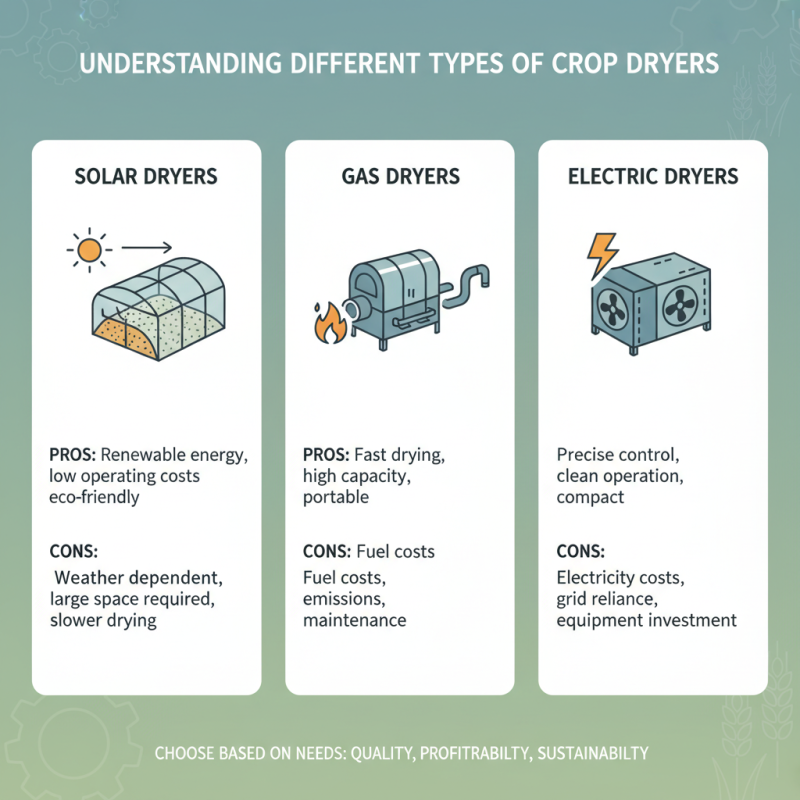
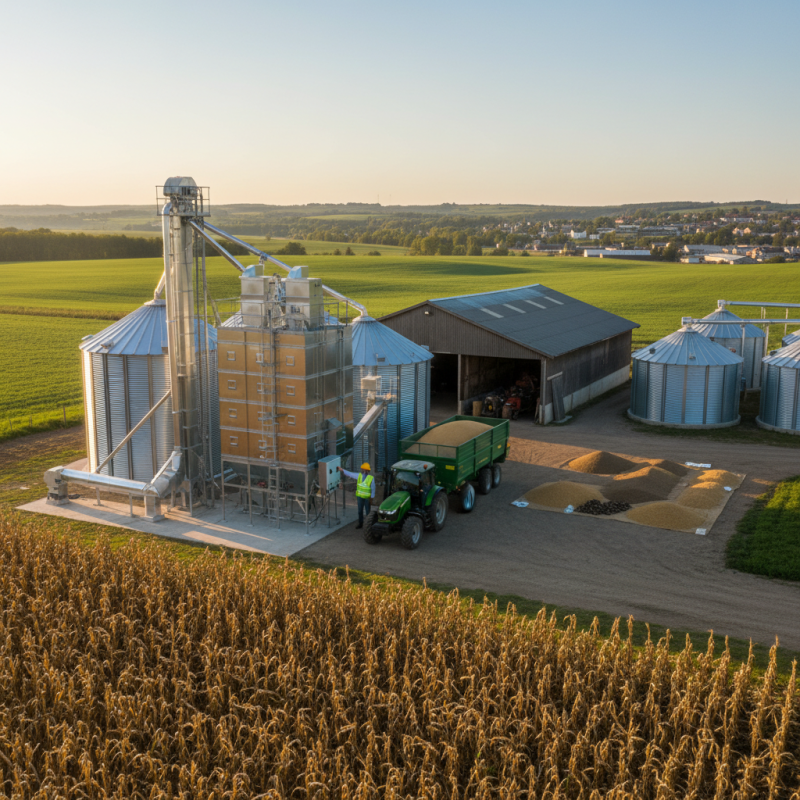
Crop dryers play a crucial role in the agricultural sector. Selecting the right type can significantly enhance both quality and profitability. There are various crop dryers, including solar, gas, and electric models. Each comes with its advantages and limitations that farmers must consider based on their specific needs.
For instance, solar dryers are eco-friendly and cost-effective. They provide a sustainable way to dry crops using natural sunlight. However, their efficiency relies heavily on geographical location and seasonal weather. Gas dryers, on the other hand, offer faster drying times. They provide reliable performance, especially in regions with unpredictable weather. However, they can incur higher operating costs.
Tips: When choosing a dryer, evaluate your crop type and drying requirements. For high-moisture crops, consider a gas dryer for quicker results. Always assess local climate conditions, as they affect dryer efficiency.
Moreover, technological advancements are reshaping crop drying. Data from industry reports suggest that new models can improve energy efficiency by up to 30%. Investing in modern technology may lead to better crop quality, aligning with sustainability goals. However, it's essential to weigh initial costs against long-term benefits. Understanding these factors enables informed decisions that can impact overall crop performance.
Evaluating Capacity and Efficiency: How Much Drying Power Do You Need?
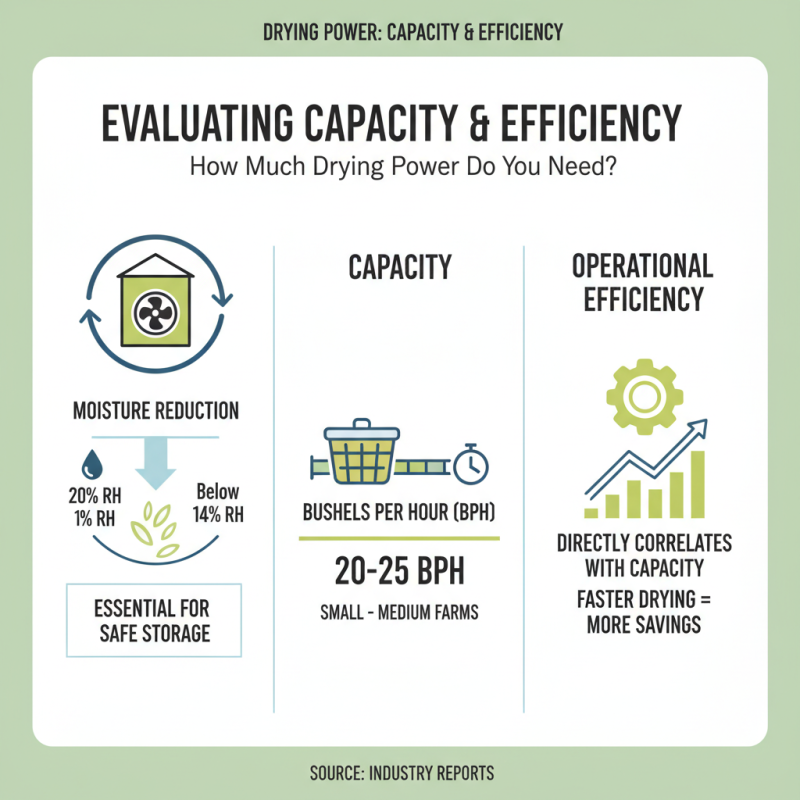
When evaluating the best crop dryer, understanding capacity and efficiency is crucial. You need to assess how much drying power your crops require. According to industry reports, effective drying can reduce moisture levels from 20% to below 14%, which is essential for storage. Moreover, a dryer’s capacity, often measured in bushels per hour, directly correlates with operational efficiency. A typical figure is around 20-25 bushels per hour for small to medium-sized farms.
Tips for determination: Calculate the amount of crop you harvest. If you have 1,000 bushels of corn, a dryer rated for 25 bushels per hour will take 40 hours to dry the entire batch. Factor in peak harvest times too. If that period is challenging, choose a dryer with a higher capacity to avoid potential losses due to spoilage.
Efficiency plays a vital role in your operation costs. A dryer with a fuel efficiency of 1.1 to 1.3 gallons per bushel can significantly cut energy expenses. However, initial costs can be steep and should be a point of reflection. Weighing upfront investment against long-term savings is essential. Always consider your specific drying needs and the type of crops you handle to select the best dryer for your farm’s unique requirements.
Analyzing Energy Consumption: Selecting Eco-Friendly Drying Solutions
When selecting a crop dryer, energy consumption is a critical factor. It's essential to analyze the efficiency of different drying solutions. A report from the U.S. Department of Energy indicates that over 25% of energy used in agricultural operations goes to grain drying. Choosing an eco-friendly dryer can significantly reduce this percentage.
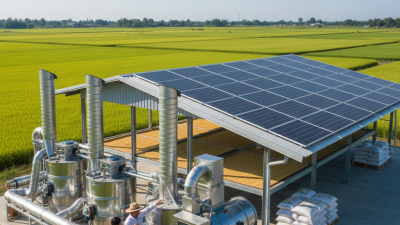
Innovative technologies, such as solar-assisted dryers, can minimize electricity demands. These systems often utilize solar panels to power fans and heaters. Research shows that they can lower energy costs by up to 50%. However, initial investments may be higher, raising questions. Are these alternatives truly viable for all types of crops?
Drying practices can also affect carbon footprints. Traditional methods, such as gas-fired heaters, emit greenhouse gases. According to the National Renewable Energy Laboratory, they contribute significantly to climate change. Adopting greener options is not just a trend; it's a necessity. Evaluating the long-term benefits against the costs is crucial. Transitioning to eco-friendly systems requires careful planning and commitment, which may be daunting for some farmers.
Assessing Temperature Control Features for Optimal Crop Preservation
When selecting the best crop dryer, temperature control is crucial for preserving crop quality. Effective temperature management prevents nutrient loss and mold growth. A well-regulated dryer maintains consistent heat levels, reducing the risk of overheating sensitive crops. Many studies suggest that maintaining temperatures between 120°F to 160°F is optimal for grains and fruits. This range ensures moisture is removed without damaging the product.
In a report from the Agricultural Research Service, improper heat levels can lead to a 30% decrease in crop quality. Therefore, it is essential to choose a dryer with adjustable settings. Some advanced models feature digital controls that allow farmers to set precise temperatures. This precision can significantly enhance the preservation of volatile compounds in herbs and spices.
Investing in a dryer with good temperature control is not merely about efficiency. It reflects the grower's commitment to crop quality and market standards. The right control systems can minimize energy use while ensuring that crops retain their flavor, color, and nutritional value. However, many dryers on the market lack these features, leading to potential losses. It is vital for farmers to critically evaluate their options and choose thoughtfully based on their specific needs.
How to Choose the Best Crop Dryer for Your Needs? - Assessing Temperature Control Features for Optimal Crop Preservation
| Dryer Type |
Temperature Control Range (°C) |
Humidity Control Feature |
Energy Efficiency Rating |
Price Range ($) |
| Solar Dryer |
30 - 70 |
Yes |
A+ |
500 - 1500 |
| Electric Dryer |
40 - 100 |
Yes |
A++ |
1000 - 3000 |
| Gas Dryer |
50 - 120 |
Optional |
A |
2000 - 5000 |
| Microwave Dryer |
20 - 80 |
No |
B+ |
1500 - 4000 |
| Hybrid Dryer |
30 - 90 |
Yes |
A+++ |
3000 - 8000 |
Budgeting and Cost Considerations for Crop Dryer Acquisition and Operation
When selecting a crop dryer, budgeting plays a vital role.
The initial investment can range from a few thousand to over $50,000, depending on the type and capacity. According to recent industry reports, over 60% of farmers struggle with the upfront costs associated with high-quality dryers. It's crucial to assess your specific needs before diving into purchases.
Operating costs also deserve attention. Energy consumption can account for up to 30% of a dryer’s operational expenses. Consider options that offer energy efficiency. Many modern dryers use less energy and might save you money over time. However, initial savings can sometimes be misleading. Underestimating repair and maintenance costs can impact your budget. Some models require frequent repairs, leading to unexpected expenses.
Analyzing the return on investment is essential. Experts suggest that a good drying system can increase crop quality and yield, ultimately enhancing profits. On average, farmers report a 20% increase in profits when using effective drying solutions. Yet, many fail to account for the fluctuating market prices affecting outputs. Taking these factors into account can guide you toward making smarter financial decisions when purchasing a crop dryer.