How to Choose the Best Water Heatpump for Your Needs?
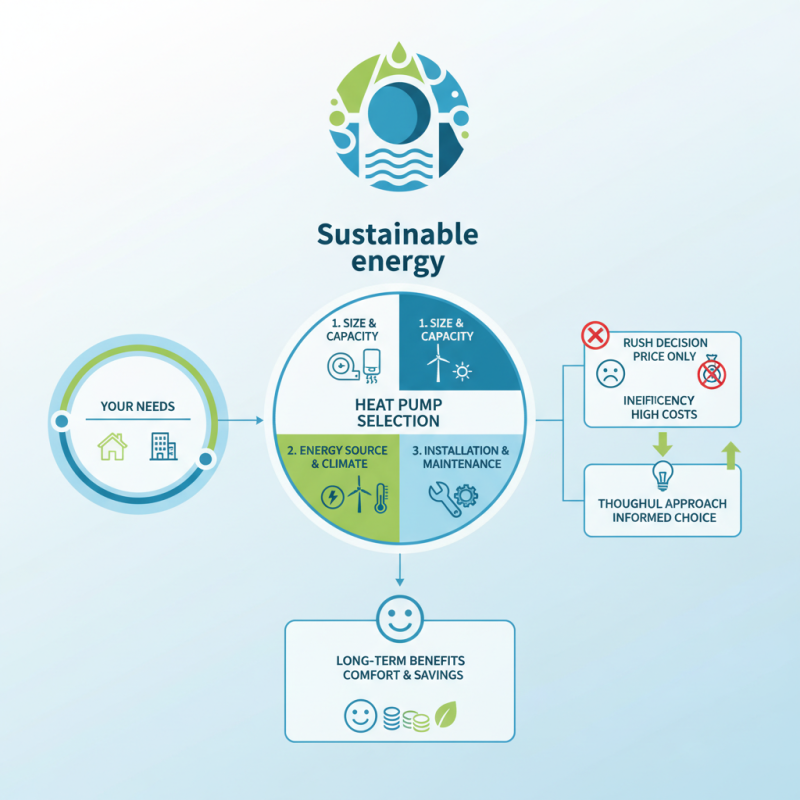
Choosing the right water heat pump can be a daunting task. With so many options on the market, it’s crucial to understand your specific needs. Industry expert Dr. Emily Carter, a leader in sustainable energy solutions, emphasizes, “Selecting a water heat pump starts with understanding your energy requirements and local climate.”
Water heat pumps offer efficiency and cost savings, but many consumers overlook vital factors. The size and capacity of the unit must align with your home or business needs. Additionally, energy sources and environmental conditions play significant roles.
Some people might rush the decision, focusing solely on price. Yet, this can lead to long-term inefficiencies and higher costs. A thoughtful approach can prevent these pitfalls. Understanding installation and maintenance is just as critical. Overall, a well-informed choice can lead to lasting benefits in comfort and savings.
Understanding Water Heat Pumps: Basics and Benefits
Water heat pumps are efficient devices that transfer heat from one place to another. They can draw heat from water bodies, making them ideal for various applications. Understanding how they work is essential for making informed choices. The basic principle involves using electricity to move heat instead of generating it, which saves energy.
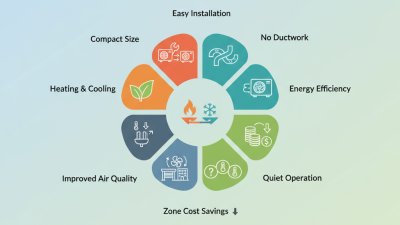
Benefits of water heat pumps include reduced energy costs and lower carbon footprints. They can provide both heating and cooling. Additionally, they often require less maintenance compared to traditional heating systems. However, installation must be done correctly. Improper setup can lead to inefficiencies. Users may face challenges in selecting the right size for their needs. Overestimating capacity can result in wasted energy.
Environmental factors play a crucial role in performance. Local water temperature and quality can impact efficiency. Regular checks can help maintain optimal conditions. It's also important to consider local climate when selecting a pump. Some areas may benefit more from these systems than others. Buyers should research and evaluate multiple options before making a decision.
Factors to Consider When Choosing a Water Heat Pump
Choosing the right water heat pump involves several important factors. Efficiency is a key consideration. Look for models with a high Coefficient of Performance (COP). A higher COP means better energy efficiency. According to the U.S. Department of Energy, units with a COP of 3.0 or higher are considered efficient. This translates to three units of heat for every unit of electricity consumed.
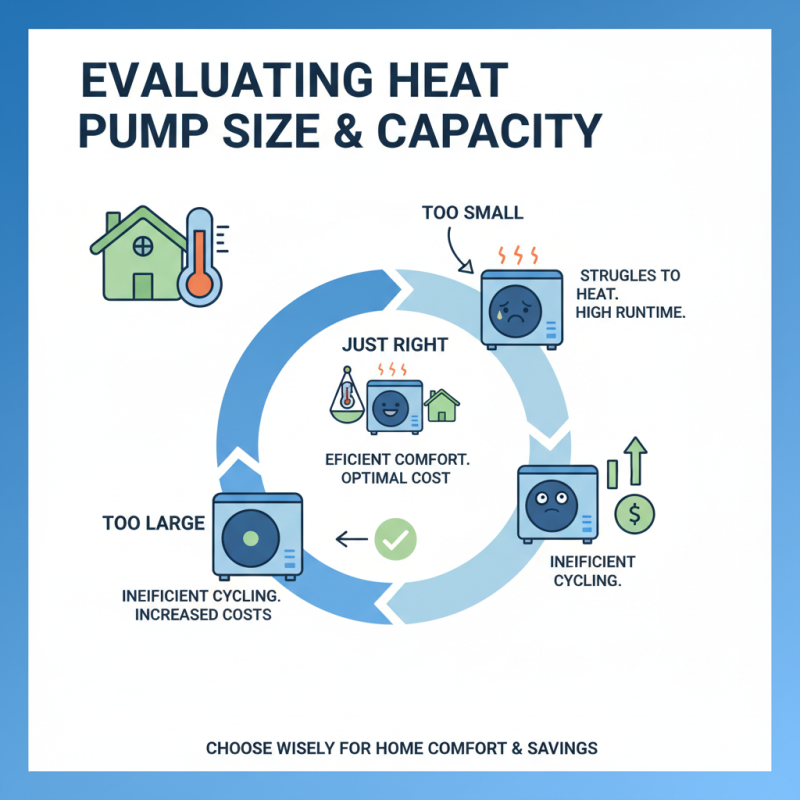
Additionally, pay attention to the heat pump’s capacity. It should match your heating and cooling needs. An oversized unit may lead to frequent cycling. This can reduce its lifespan and efficiency. A smaller unit may not provide sufficient heat during peak demand. Sizing is best done using precise calculations based on your home’s specifications.
Tip: Consider local climate conditions. If you live in an area with extreme temperatures, select a unit designed for those conditions. Not all pumps perform well in colder climates. Read reviews and consult with experts to find reliable options.
Lastly, investigate the installation process. Poor installation can dramatically affect performance. Ensure the installer is licensed and experienced. A well-installed unit lasts longer and operates reliably. Remember, the investment in a good pump is worthwhile for long-term benefits.
Evaluating the Size and Capacity of Heat Pumps
Choosing the right water heat pump involves understanding the size and capacity tailored to your specific needs. The size of a heat pump is crucial. A unit that is too small will struggle to reach desired temperatures. Conversely, an oversized pump may lead to inefficiencies and increased operational costs.
According to the U.S. Department of Energy, heat pumps should have a capacity of 12,000 BTUs per ton. This means if your space requires 36,000 BTUs, you need a 3-ton unit. It's also vital to consider climate. For example, in colder regions, a higher capacity may be necessary as heat pumps become less efficient in low temperatures.
Evaluating your space is essential. Measure the area and understand the insulation quality. Open floor plans require different solutions than smaller, compartmentalized spaces. Furthermore, failing to conduct a proper assessment can lead to regrets with efficiency and comfort levels. Remember the importance of consulting with professionals to evaluate your unique situation.
Energy Efficiency Ratings and Their Importance
When selecting a water heat pump, energy efficiency ratings play a crucial role. These ratings indicate how well a pump converts electricity into heating power. The most common metric is the COP (Coefficient of Performance). A higher COP means better efficiency, which translates to lower energy bills. While a high COP is ideal, sometimes it can be misleading. Real-world performance often differs from lab results.
You should also consider the SEER (Seasonal Energy Efficiency Ratio). This rating measures efficiency across different seasons, giving a more comprehensive view. Look for models with clear SEER values. However, these are not the only indicators. Factors like installation quality and system maintenance can greatly affect performance.
Choosing an efficient heat pump is also about understanding your specific needs. The size of your home and local climate influence the right choice. However, many users overlook these factors, focusing solely on ratings. Ignoring this can lead to poor heating results. Balancing ratings with practical considerations ensures you make an informed decision that meets your heating demands efficiently.
Energy Efficiency Ratings of Various Heat Pump Types
Installation and Maintenance Considerations for Water Heat Pumps
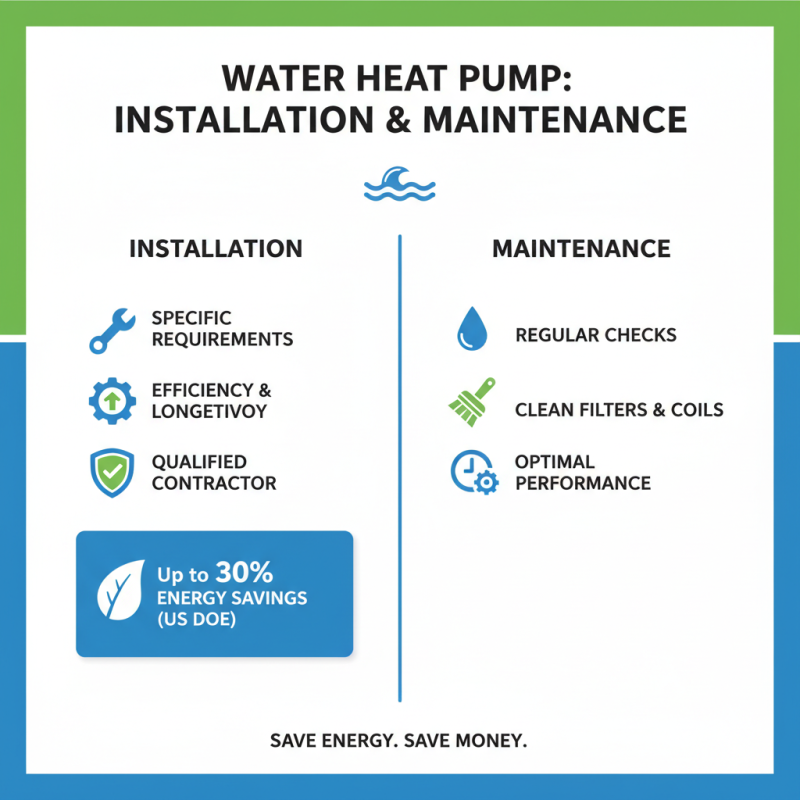
When considering the installation of a water heat pump, understanding the specific requirements is crucial. Proper installation ensures efficiency and longevity. According to the U.S. Department of Energy, a correctly installed heat pump can enhance energy savings by up to 30%. This means that attention to detail during the setup stage is essential. Contractor experience plays a significant role in optimal performance.
Regular maintenance is necessary for maintaining efficiency. A study by the Air-Conditioning, Heating, and Refrigeration Institute shows that clean filters improve system performance and lifespan. Check filters monthly and clean them at least once a year. Neglect can lead to decreased efficiency and higher energy bills.
Tips: Always hire certified professionals for installation. This helps avoid costly mistakes. Additionally, keep an eye on refrigerant levels. Low levels can lead to system malfunction. Maintaining a schedule for annual checks can significantly impact the longevity of your water heat pump. Remember, even the best systems require care to perform at their peak.