What is a Grain Dryer and How Does It Work?
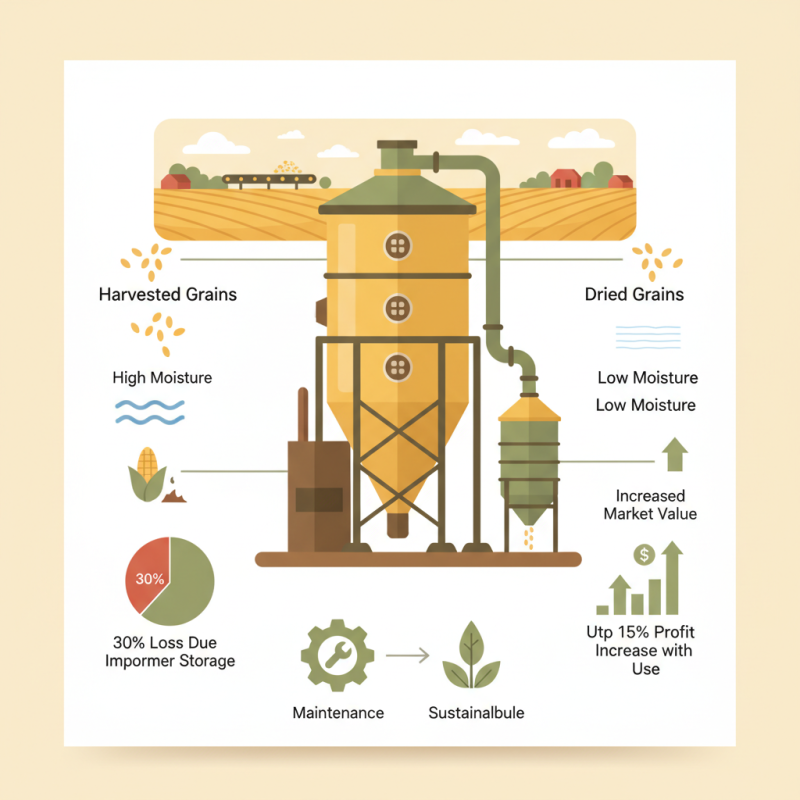
Grain drying is a critical process in agriculture. A Grain Dryer effectively reduces moisture levels in harvested grains. This step is vital for preserving quality and preventing spoilage. According to the USDA, approximately 30% of grains are lost each year due to improper storage.
Grain Dryers come in various designs, including batch and continuous flow systems. Each type serves a unique purpose, catering to the needs of different farms. These machines not only enhance the longevity of grains but also improve market value. Reports indicate that using a Grain Dryer can increase profits by up to 15%.
Despite these advantages, some farmers may overlook the importance of proper maintenance. A poorly maintained Grain Dryer can lead to inefficiencies. Understanding the operational mechanics is essential for maximizing performance. As farmers invest in these systems, attention to detail remains crucial for sustainable agricultural practices.
What is a Grain Dryer: Definition and Purpose Explained
A grain dryer is a crucial tool used in agriculture. Its main purpose is to remove excess moisture from harvested grains. High moisture levels can lead to spoilage and loss of quality. Proper drying helps preserve the grain for storage and improves its market value.
The drying process involves circulating hot air over the grain. This heat evaporates moisture, allowing it to escape. Different types of grain dryers exist, from simple bin dryers to complex continuous flow systems. Each type has its benefits and limitations. Farmers often grapple with selecting the suitable dryer for their needs.
Despite advancements, challenges remain. Inconsistent heating can damage grains. Over-drying can reduce nutritional value. Understanding these issues is essential for farmers. Balancing efficiency and grain quality is key to successful grain drying. The process requires careful monitoring and adjustments to achieve optimal results.
Types of Grain Dryers: Comparing Batch vs. Continuous Systems
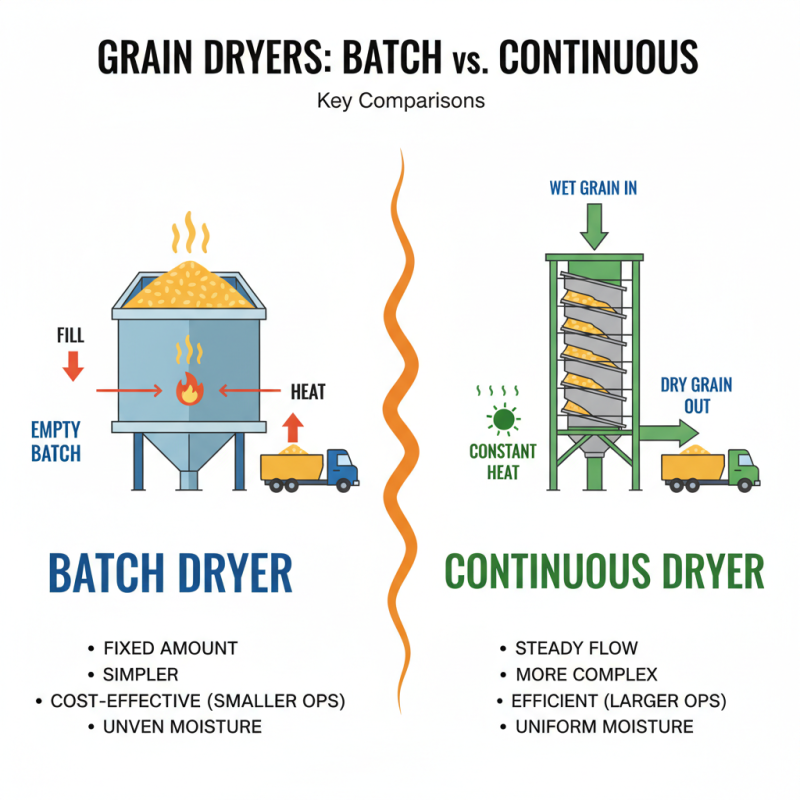
When it comes to grain drying, the two primary systems are batch and continuous dryers. Batch dryers process a fixed amount of grain at one time. They fill up with grain, apply heat, and then the dried batch is removed. This method is often simpler and more cost-effective for smaller operations. However, it can lead to inconsistencies in grain moisture levels. As a result, some grains may end up drying unevenly, which can affect quality.
Continuous dryers, on the other hand, are designed for high-volume operations. Grain flows through the system in a steady stream. This allows for a more uniform drying process, reducing moisture variations. The heat is applied as the grain moves through the system. One downside is the complexity and higher initial investment needed for these systems. Operators must ensure the system runs efficiently to avoid energy waste. Both methods offer unique advantages and challenges, making the choice depend on the specific needs of the operation.
Key Components of Grain Dryers: Mechanisms and Technologies
Grain dryers are essential in agriculture, especially during harvest time. They help preserve grain by reducing moisture content. This process prevents spoilage and maintains quality. Understanding the key components of grain dryers is crucial to their effectiveness.
One primary mechanism is the airflow system. This system circulates heated air through the grain, removing moisture without damaging the grains. Fans play an important role in this airflow. Their size and power must match the dryer’s capacity.
Another vital component is the temperature control system. It ensures that the grains are exposed to optimal heat levels. Too much heat can cause loss of quality.
Additionally, there are different technologies involved in grain drying. Some use continuous flow systems, while others are batch dryers. Continuous systems allow for a seamless drying process. However, batch dryers can be more versatile for smaller operations. Each type has its advantages and challenges. Users must consider their specific needs and conditions.
Finding the right balance in grain drying requires careful planning and knowledge.
Operational Principles: How Grain Dryers Reduce Moisture Content
Grain dryers play a crucial role in agriculture by controlling moisture content. These machines work by circulating hot air through grains, effectively reducing their moisture levels. The process enhances storage longevity and reduces spoilage. Understanding how these dryers function can help farmers make informed decisions.
Hot air is passed over the grains, causing moisture to evaporate. The dryers typically use a series of fans and heating elements. This combination allows precise adjustments to temperature and airflow. Farmers must monitor the drying process carefully, as too much heat can damage the grains. This requires experience and attentive management to avoid potential pitfalls.
Optimizing moisture levels is key to successful grain storage. Each grain type has specific moisture requirements, demanding a tailored approach. Striking the right balance between drying efficiency and grain quality is often a challenge. Farmers may sometimes face issues with inconsistent drying, leading to uneven quality in the final product. Continuous learning and experimenting with various drying methods can lead to improved results over time.
Industry Standards: Efficiency Ratings and Performance Metrics in Drying
Grain drying is a critical step in agricultural processing. Efficiency ratings and performance metrics are essential for evaluating dryer systems. Industry standards often focus on energy consumption and moisture removal effectiveness. According to the USDA, optimal grain moisture content is between 13% and 15% for safe storage. This range minimizes spoilage and maximizes quality.
Energy usage is another vital performance metric. Studies have shown that modern grain dryers can achieve an efficiency rate of up to 70%. However, many older models fall short, with rates as low as 50%. Such inefficiency can lead to higher operational costs and increased environmental impact. Managing airflow and heat application can improve energy efficiency significantly, but farmers must regularly assess their systems.
Performance metrics also include drying time. Ideally, drying should occur within a specified timeframe to maintain grain quality. However, variances in grain type and moisture levels can complicate this process. Operators must be flexible and responsive to these factors. Despite technological advancements, challenges remain in standardizing performance across different dryer designs. Identifying and addressing these issues is crucial for enhancing overall system reliability and efficiency.