2026 Top Grain Dryer Solutions for Global Buyers?
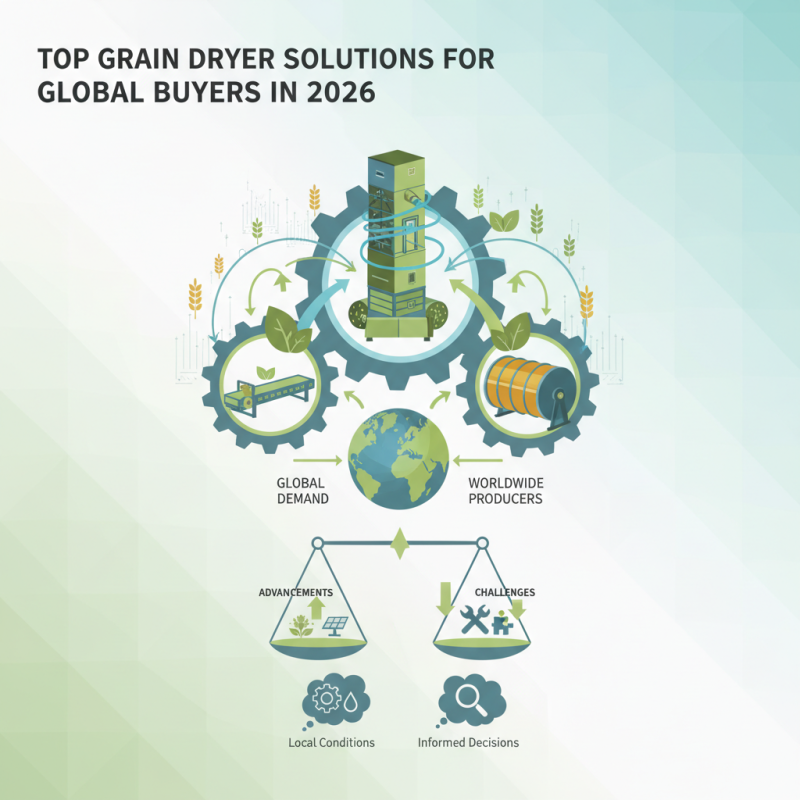
As the agricultural industry evolves, effective grain drying solutions become vital. Grain dryers play a crucial role in preserving quality and enhancing marketability. With increasing global demand for grain, efficient drying methods are essential for producers worldwide.
In 2026, several innovative grain dryer solutions are poised to meet the diverse needs of global buyers. These systems are designed for efficiency, energy conservation, and improved grain quality. Understanding these advancements helps buyers make informed decisions that impact their operations.
However, not all solutions are perfect. Challenges may arise in integration and maintenance. Buyers must weigh these factors and consider local conditions before making investments. This article explores the top grain dryer solutions available and offers insights for navigating the complex landscape of modern grain drying technology.
Overview of Grain Dryer Technologies for 2026
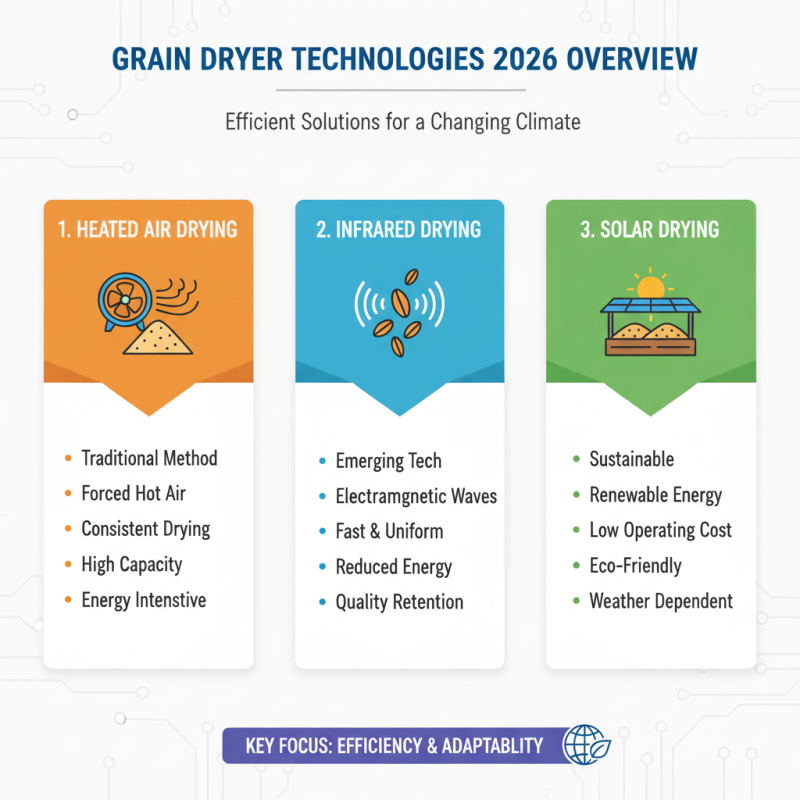
Grain drying technology is evolving rapidly as we approach 2026. With climate change affecting harvests globally, efficient drying solutions are crucial. Various drying methods are being explored, including heated air, infrared, and solar drying. Each offers unique benefits related to energy consumption and efficiency.
Solar drying stands out for its sustainability. However, it often depends on weather conditions. Traditional heated air systems are reliable but may require higher energy inputs. Innovations in humidity control and automation are improving consistency in drying processes. Many farmers are seeking systems that are not only effective but also sustainable and user-friendly.
Despite advancements, challenges remain. Balancing operational cost and efficiency can be tough. Some technologies may not suit every crop type. Buyers need to weigh the pros and cons of different systems. Feedback from users suggests ongoing support and training are essential for using these technologies effectively. Exploring diverse options is vital for selecting the best solution.
Key Features to Consider in Grain Dryers
When selecting grain dryers, understanding key features is crucial. Efficiency is a primary concern for many buyers. According to recent industry reports, approximately 25% of harvested grain is lost due to inadequate drying processes. Hence, investing in high-efficiency dryers can significantly reduce this loss. Look for systems that offer adjustable airflow rates. This flexibility allows for optimal drying of various grain types, ensuring minimal damage.
Another vital aspect is moisture control. Studies indicate that maintaining moisture levels below 14% can prevent mold growth and spoilage. Advanced grain dryers use sensors and automated systems for real-time monitoring. Such technology helps in achieving precise moisture control, enhancing storage longevity. However, it’s worth considering that these sophisticated systems can sometimes lead to higher initial costs. Buyers should weigh these costs against potential long-term savings.
Energy consumption is an often-overlooked factor. Recent analyses show that older models can consume up to 40% more energy than modern counterparts. Selecting energy-efficient models not only lowers operational costs but also supports sustainability. It is essential to evaluate the trade-offs between upfront investment and operating efficiency. Balancing these aspects can be challenging, yet it is necessary for making informed purchasing decisions.
Comparative Analysis of Leading Grain Dryer Brands
The evolving landscape of grain drying technology presents significant choices for buyers. Leading brands vary in efficiency, cost-effectiveness, and drying capabilities. Each brand claims unique features, but not all live up to their promises. Buyers must scrutinize these claims carefully.
In recent analyses, some brands highlight superior energy efficiencies. They boast advanced drying systems that preserve grain quality. However, user reviews often reveal inconsistencies. Reports suggest that while initial performance impresses, long-term reliability can falter. Buyers should weigh these factors heavily in their decision-making process.
Maintenance is another critical aspect. Many dryers require ongoing care to perform optimally. Some brands emphasize easy maintenance, while others may involve a steep learning curve. This disparity can lead to unforeseen expenses. Therefore, prospective buyers must consider not just the purchase price but also long-term operational costs. Investing in comprehensive research is essential for making an informed choice.
2026 Top Grain Dryer Solutions Comparison
Innovative Solutions and Trends in Grain Drying Technology
In the evolving landscape of grain drying technology, innovative solutions are reshaping how farmers and producers manage their crops. One noticeable trend is the rise of energy-efficient dryers. These dryers utilize advanced heating methods, reducing energy consumption while maintaining optimal grain quality. For example, some systems now use solar energy or biomass as a sustainable alternative.
Emerging technologies like IoT integration are also gaining traction. Sensors monitor moisture levels in real-time, allowing for precise adjustments. Producers can optimize their drying processes significantly. However, reliance on technology can be a double-edged sword. Technical failures or cyber threats pose risks that need addressing.
Moreover, mobile grain drying units are becoming increasingly popular. These portable solutions offer flexibility, catering to diverse farming needs. Adaptability can lead to better logistical efficiency. Yet the debate remains about their cost-effectiveness and sustainability in the long run. As the industry evolves, continuous improvement and dialogue are essential for fostering robust grain drying solutions.
Global Market Insights and Buyer Preferences in Grain Drying
The global grain drying market is witnessing significant evolution. Understanding buyer preferences is crucial. Recent reports indicate that the market is expected to grow at a CAGR of 6.5% from 2021 to 2026. This growth hints at a rising demand for efficient drying solutions. Buyers are increasingly prioritizing energy efficiency alongside drying capacity.
Data reveals that approximately 70% of buyers consider energy costs when selecting grain dryers. Among various technologies, heated air drying is becoming more popular. It offers quicker results but requires higher initial investments. Meanwhile, natural drying methods have gained attention due to lower costs. However, these methods are often slower and less controllable.
Buyers also emphasize the importance of maintenance and durability in their decision-making. Many report frustration with equipment breakdowns that affect productivity. Seasonal fluctuations further complicate supplier relationships, making reliability a top concern. A greater emphasis on customer support and service can greatly influence buyer loyalty. Buyers are likely to weigh these aspects heavily when investing in new grain drying equipment.