Leave Your Message
AI Helps Write

How to Choose the Best Fruit Dehydrator Machine?

Choosing a Fruit Dehydrator Machine is less about finding the biggest model and more about matching its features to the food you actually prepare. A tray of apple slices for weekend snacks has different needs from regular batches of herbs, tomatoes, or fruit leather. Capacity, temperature control, airflow, and cleaning effort all affect the final result. Small details matter.

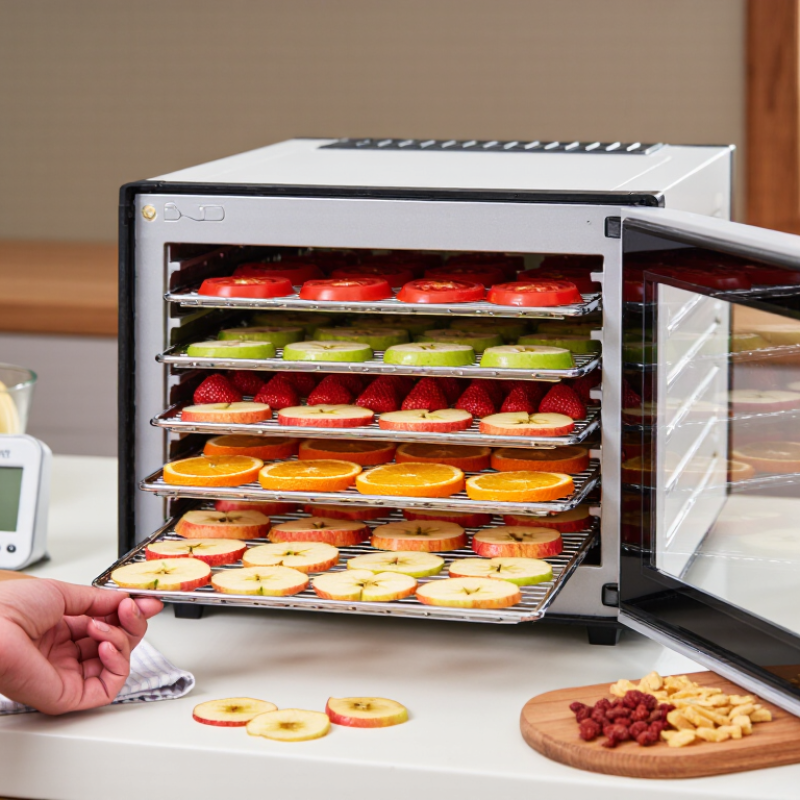
A useful comparison starts with your kitchen space and typical batch size. Stackable trays can be easy to expand, while shelf-style machines may offer more room and make trays easier to access. Check whether the fan distributes heat evenly, and look for adjustable temperature settings that suit different ingredients. A timer can help, but it does not replace checking texture. Fruit thickness, moisture, and room conditions can change drying time.

Noise and energy use deserve a look, too. A machine may run for many hours, so a loud fan or awkward door can become irritating. I’ve found that capacity claims alone can be misleading; usable tray space and airflow matter just as much. There is no perfect choice for every home.

This guide explains the features worth comparing, the trade-offs behind common designs, and the questions to ask before buying. It also considers how easy a dehydrator is to load, clean, and store after a batch is finished. The right machine should fit your routine—not just look impressive on a product page.
How to Choose the Best Fruit Dehydrator Machine?

Understanding How a Fruit Dehydrator Machine Works

How to Choose the Best Fruit Dehydrator Machine?

Understanding How a Fruit Dehydrator Machine Works

A fruit dehydrator uses gentle heat and moving air to draw moisture from sliced produce. A heating element warms the air, while a fan moves it across trays. Thin, evenly cut apple rings dry more consistently than thick, crowded pieces. Airflow matters. If trays are packed tightly, damp spots can remain even when the edges feel dry. The U.S. National Center for Home Food Preservation recommends drying fruit at about 140°F (60°C), then checking for a leathery or pliable texture. A thermostat helps maintain heat, but it does not guarantee that every piece dries at the same rate.

The process can help preserve surplus fruit. The FAO’s The State of Food and Agriculture 2023 reported that 13.2% of food was lost between harvest and retail worldwide in 2021. A dehydrator cannot solve food loss alone, but drying ripe fruit promptly may extend its usable life. Check slices after cooling; warm fruit can feel drier than it really is. That detail is easy to miss. For a practical comparison, note how evenly a machine dries trays, how readily air circulates, and whether its temperature setting stays stable. A clear door is useful, though it may not replace careful checking.
Identifying Your Dehydrating Needs and Expected Capacity

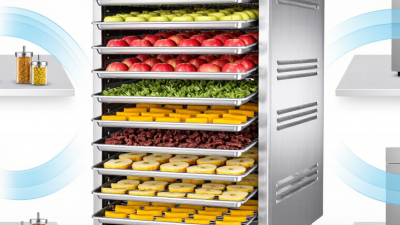
Your best dehydrator size depends on how much fruit you can prepare and dry in one session, not just the number of trays. Track your usual harvest or shopping basket for two weeks. Note whether you dry a few apples after work or several kilograms of pears at once. Small batches matter. A compact machine may suit occasional snacks, while regular harvests call for more usable tray area and steady airflow. Check the manufacturer’s stated capacity, but remember that thick slices and crowded trays can slow drying.

The UNEP Food Waste Index Report 2024 estimated that 1.05 billion tonnes of food were wasted globally in 2022; households accounted for about 60%. That figure is not a household target, but it highlights why batch planning matters: drying only helps when fruit is ripe, prepared, and likely to be eaten. Estimate your raw-fruit load, then allow space between slices and room for trays to circulate air. This estimate is imperfect. Fruit size, moisture, and slice thickness change both drying time and finished yield. A few test batches can reveal whether the machine’s real capacity matches your routine.

How to Choose the Best Fruit Dehydrator Machine? — Identifying Your Dehydrating Needs and Expected Capacity

Dehydrating Need Typical Use Suggested Capacity Approximate Fresh Fruit per Batch Features to Consider
Occasional snacks Small batches of apples, bananas, berries, or seasonal fruit a few times a month 4–6 trays; about 4–8 sq. ft. of total drying area About 4–10 lb, depending on tray size, fruit, and slice thickness Compact storage, removable trays, adjustable temperature, and a timer
Regular household use Weekly snacks or preserving produce from a home garden or farmers’ market 6–9 trays; about 8–14 sq. ft. of total drying area About 8–18 lb per batch Even airflow, a reliable thermostat, adequate spacing between trays, and easy cleaning
Large harvests or meal preparation Processing several varieties of fruit at once or preparing larger quantities for storage 9–12 or more trays; about 14–24 sq. ft. of total drying area About 14–30 lb per batch Expandable capacity, sturdy trays, consistent temperature control, and sufficient counter or storage space
Frequent, high-volume use Repeated large batches during peak harvest periods or for a sizeable household 12 or more trays; 24+ sq. ft. of total drying area 30 lb or more per batch, depending on the machine and produce Durable construction, dependable airflow, easy-to-source replacement trays, and power requirements suited to the intended location

Capacity note: Fresh-fruit amounts are approximate planning ranges, not manufacturer ratings. Actual loads vary with tray dimensions, fruit type, slice thickness, and how much space is left for airflow. Compare total usable tray area as well as the number of trays.

Comparing Dehydrator Types, Trays, and Airflow Systems

When comparing fruit dehydrators, focus on how air moves, not just the heating element’s wattage. Stackable vertical models save counter space, but trays near the fan may dry faster than those farther away. Horizontal-flow models send air across trays from the side or rear, which can reduce uneven drying. Still, tray shape and how tightly fruit is loaded matter. No system fixes overcrowding.

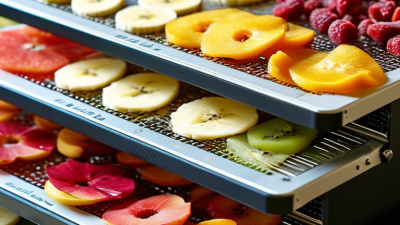
Check tray area, spacing, and material before counting tray numbers. Wide trays suit halved apricots or apple rings; fine mesh helps keep small berries from slipping through. Removable trays make cleaning easier, and adjustable spacing accommodates thicker slices. A small detail, but useful. The University of Georgia’s National Center for Home Food Preservation recommends drying fruit at 140°F (60°C). Use that as a reference point, then follow the machine’s instructions and check fruit texture rather than trusting a timer alone.

For dependable comparisons, look for adjustable temperature settings and a clear airflow path around every tray. Leave gaps between slices; crowded fruit traps moisture and slows drying. Rotate trays only if the manufacturer recommends it, since some designs already distribute heat evenly. One limitation remains: published guidance gives a useful temperature target, but drying time varies with fruit, slice thickness, humidity, and machine design. Test a small batch before filling every tray.

Evaluating Temperature Controls, Materials, and Ease of Cleaning

How to Choose the Best Fruit Dehydrator Machine?

Evaluating Temperature Controls, Materials, and Ease of Cleaning

A reliable dehydrator needs steady heat, not simply a high temperature setting. Look for adjustable controls with clear readings and small temperature changes. Different fruits release moisture at different rates. Thin apple slices may dry quickly, while thick mango pieces need more time. A built-in timer helps, but it should not replace regular checking.

I test airflow by placing slices on several trays. Each piece should dry evenly, without tough edges and a soft center. A removable thermometer can reveal inaccurate settings. I once trusted a digital display completely. That assumption was wrong. Heat may vary between the upper and lower trays, especially when the machine is full. A manual with drying guidance and safety information shows responsible engineering.

Material choice affects both durability and food contact. Stainless steel trays resist odors and staining. Food-safe plastic can work well, but it may absorb strong colors over time. Check the tray edges for rough seams. They can trap fruit fibers. Small details matter.

Cleaning should take minutes, not become a weekly project. Removable trays, smooth corners, and washable liners reduce residue. Avoid designs with deep vents near sticky foods. Those areas are difficult to reach. After drying, I wipe spills before they harden. Some residue still survives. That is a useful reminder to inspect hinges, handles, and the fan cover. A practical machine is one that remains clean after real use, not only in product photographs.

How to Choose the Best Fruit Dehydrator Machine?

Comparing temperature control, food-contact materials, and cleaning convenience

The chart uses a practical 1–5 evaluation scale. Temperature control considers adjustable low-temperature settings and stable heat, materials prioritize stainless steel or certified food-safe surfaces, and cleaning convenience considers removable trays, smooth surfaces, and dishwasher-safe components. A higher score indicates a more favorable choice for regular fruit dehydration.

Matching Key Features to Your Budget and Available Space

A fruit dehydrator should fit your kitchen before it fits your shopping budget. Measure the counter or shelf where it will sit, including space above for ventilation. Check the machine’s full dimensions, not just its footprint. A tall unit may block a cupboard door. Small details matter.

Capacity affects both price and storage. Several trays can handle a large harvest, but they take up more room and may need rotating for even drying. A compact model suits occasional batches of apple slices or herbs. Look for removable trays that fit your sink, and check whether replacements are easy to obtain. Not always.

Temperature control and a timer can make drying more manageable, especially when fruit pieces vary in thickness. A clear manual should explain recommended settings and how to test whether food is dry enough. Compare wattage too, but don’t assume the highest number means the best value; energy use also depends on drying time and batch size. In a tight kitchen, a quieter fan and a simple storage shape may matter more than extra capacity. It is tempting to buy for an imagined harvest. A realistic estimate of how much fruit you prepare each week is often more useful.