2026 How to Choose the Best Heat Pump for Your Home?
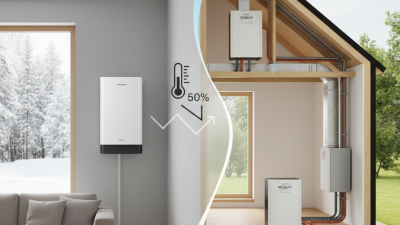
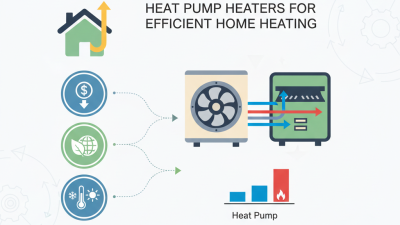
Choosing the right heat pump for your home is crucial. With energy efficiency becoming a priority, homeowners must consider various factors. According to the U.S. Department of Energy, heat pumps can save homeowners up to 50% on their heating bill compared to traditional systems. Industry expert Mark Johnson, a well-regarded HVAC consultant, once stated, “The right heat pump can transform your energy consumption and comfort levels.”
When evaluating options, several variables come into play. The size of your home, local climate, and insulation all affect efficiency. Many homeowners overlook these details, leading to inadequate heating or cooling. A report from the International Energy Agency highlights that improper sizing leads to increased operational costs.
As we navigate through options, challenges arise. Misleading marketing can confuse consumers. Statistics from the Energy Information Administration indicate that nearly 30% of consumers report dissatisfaction with their heat pump choices. Understanding your specific needs is essential in avoiding costly mistakes. Selecting the best heat pump requires careful consideration and research to ensure a perfect fit for your home.
Key Factors to Consider When Choosing a Heat Pump
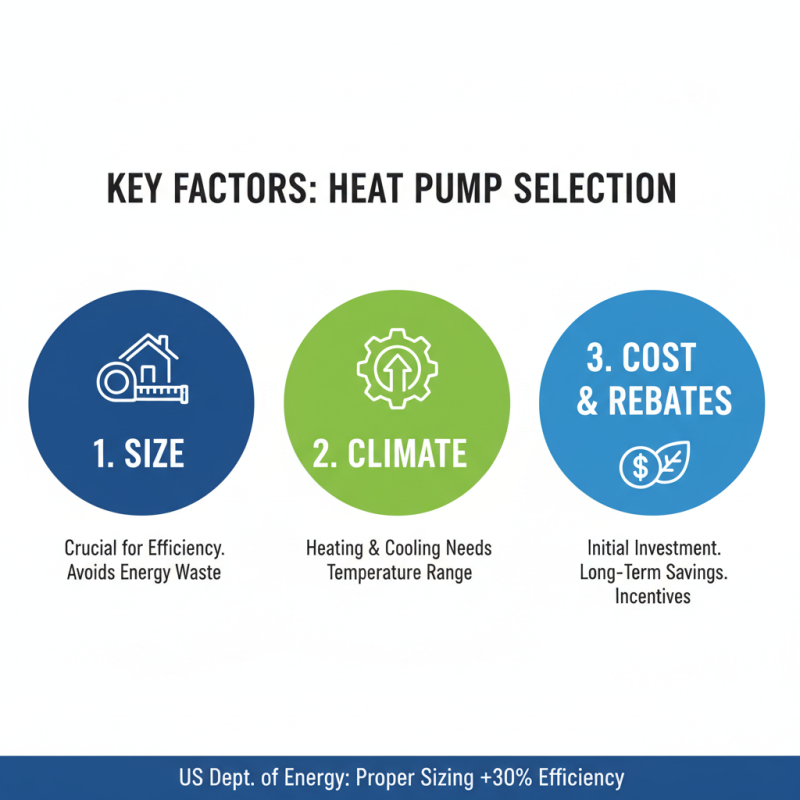
When choosing the best heat pump for your home, several key factors come into play. Size is crucial. A heat pump that is too small won’t heat your home effectively. Conversely, one that is too large can lead to energy waste. According to the U.S. Department of Energy, proper sizing can improve efficiency by up to 30%.
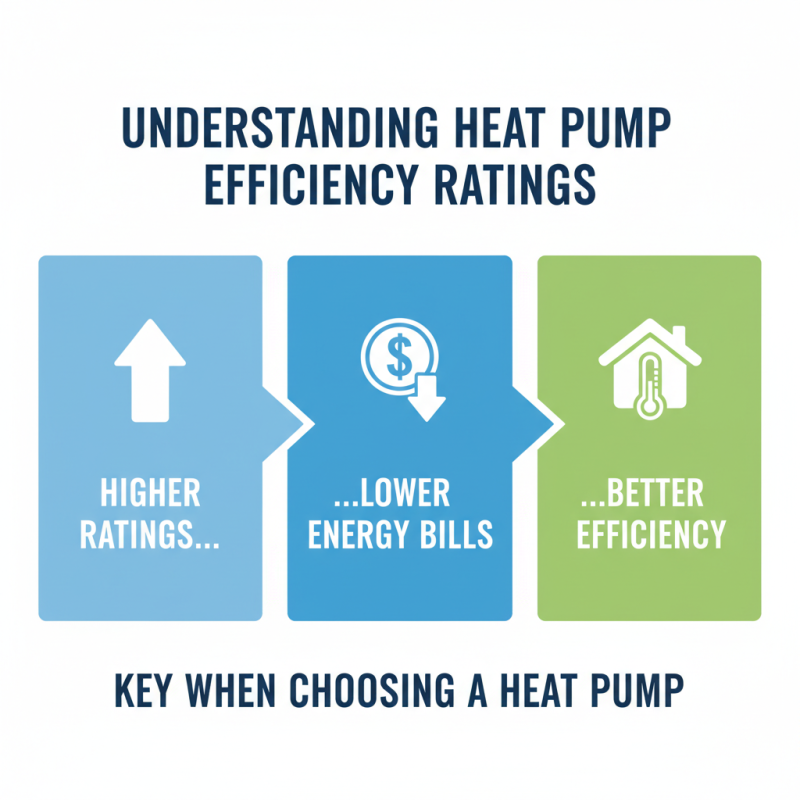
Energy efficiency ratings are essential to consider. The Seasonal Energy Efficiency Ratio (SEER) and Heating Seasonal Performance Factor (HSPF) indicate how efficiently a heat pump operates. Higher ratings mean lower energy costs, but they also come at a premium price. Balancing upfront costs and long-term savings requires careful thought.
Installation quality can greatly affect performance. Even the best unit may fail if poorly installed. The Installation Quality Certification (IQC) emphasizes proper setup for optimal operation. Take time to research local technicians. Trustworthy experts will ensure your heat pump runs as intended, maximizing efficiency and comfort. Remember, choosing a heat pump demands more than price comparison. It requires a comprehensive understanding of your specific needs and home environment.
Types of Heat Pumps: Which One Suits Your Home Best?
When selecting a heat pump, understanding different types can be crucial. Air-source heat pumps are quite common. They extract heat from the outside air. Efficiency ratings often show a seasonal performance factor (HSPF) between 8 and 10. However, they might struggle in extremely low temperatures. This could lead to higher energy costs, especially in colder climates.
Geothermal heat pumps offer a different solution. They utilize the earth's steady underground temperature. Reports indicate that geothermal systems can reduce heating costs by up to 70%. The initial installation can be expensive, but the long-term savings are significant. Still, not every home has the ideal conditions for installation. Some sites may require extensive land or drilling.
Finally, mini-split systems are gaining popularity. They offer flexibility and zone control, which allows homeowners to heat individual spaces. This can lead to energy savings, as you only heat occupied rooms. However, their installation requires careful planning and might not be feasible for every layout. Each option has its strengths and drawbacks, making an informed choice essential.
2026 Heat Pump Comparison: Types and Efficiency Ratings
This chart compares the efficiency ratings (Coefficient of Performance) of different types of heat pumps: Air Source, Ground Source, and Water Source. A higher COP indicates a more efficient heat pump for home heating and cooling.
Understanding Heat Pump Efficiency Ratings and Their Importance
When choosing a heat pump, understanding efficiency ratings is key. These ratings tell you how much energy the unit consumes compared to the heat it generates. Higher ratings mean better efficiency. Energy efficiency can significantly lower your energy bills, making it an essential factor when selecting a heat pump.
Consider the SEER (Seasonal Energy Efficiency Ratio) and HSPF (Heating Seasonal Performance Factor) ratings. A SEER rating above 15 is generally considered efficient. Meanwhile, an HSPF of 8 or higher is ideal for heating performance. However, don’t solely focus on these numbers. Look at your home’s specific needs and local climate, as they can impact overall efficiency.
Tip: Check local incentives for energy-efficient upgrades. Sometimes, rebates are available for installing units with high ratings. Also, consider the size of the heat pump. An oversized unit might cycle on and off too frequently, reducing its efficiency. It's crucial to balance size and rating for optimal performance. Remember, efficiency is not just about numbers; it's about how well the system fits your home.
Installation Considerations for Optimal Heat Pump Performance
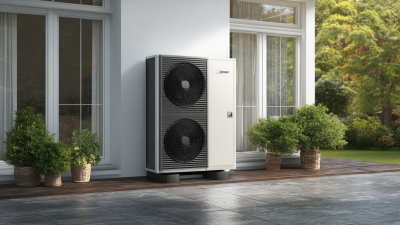
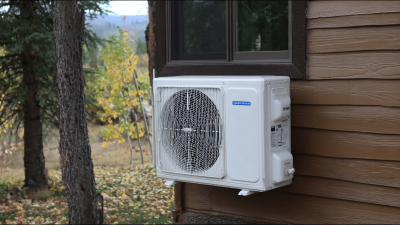
When installing a heat pump, considering specific factors can enhance its performance. The placement of the unit is crucial. It should be away from obstructions that can block airflow. Ideally, place it on a level surface. This reduces vibrations and potential noise. Nearby trees or shrubs should be trimmed back regularly.
Insulation also plays a vital role in efficiency. A well-insulated home allows the heat pump to work less. This can lead to lower energy bills. Check that windows and doors are sealed properly. Gaps can waste energy and affect comfort levels. A thorough evaluation of existing insulation may reveal areas needing improvement.
Maintenance should not be overlooked. Regular check-ups can prevent larger issues. Filters should be cleaned or replaced as specified. Neglecting this task can lead to reduced airflow and efficiency. It’s essential to create a simple maintenance schedule. This will encourage timely care and enhance longevity. Taking these considerations seriously can lead to better overall performance.
Cost Analysis: Budgeting for Your Heat Pump Purchase and Operation
When considering a heat pump for your home, cost is a critical factor. The initial purchase price of heat pumps can vary significantly. According to industry reports, average installation costs range from $3,000 to $8,000. Factors such as size, efficiency ratings, and installation complexity affect these figures. You’ll also need to factor in potential permits and labor costs, which can increase your budget further.
Ongoing operational costs are another consideration. A heat pump's efficiency is measured by its seasonal energy efficiency ratio (SEER) or heating seasonal performance factor (HSPF). Reports indicate that more efficient models can save homeowners 20-50% on energy bills. However, cheap options may lead to higher long-term costs. Regular maintenance is essential. Neglecting it can reduce efficiency and increase energy consumption.
Many homeowners overlook the financial implications of choosing a heat pump. The long-term savings may seem attractive but can lead to disappointment. You must assess your energy needs and local climate conditions. This reflection can help prevent costly mistakes later. Investing time in research can lead to better decisions that fit your financial plan.
2026 How to Choose the Best Heat Pump for Your Home? - Cost Analysis: Budgeting for Your Heat Pump Purchase and Operation
| Heat Pump Type |
Initial Cost ($) |
Installation Cost ($) |
Annual Operating Cost ($) |
Average Lifespan (years) |
Efficiency Rating (HSPF) |
| Air Source Heat Pump |
4,000 |
1,500 |
800 |
15 |
8.5 |
| Ground Source Heat Pump |
15,000 |
2,500 |
600 |
25 |
4.0 |
| Ductless Mini-Split Heat Pump |
7,000 |
2,000 |
750 |
20 |
9.0 |
| Hybrid Heat Pump |
6,500 |
1,800 |
700 |
18 |
7.5 |