China Top 10 Solar Heat Pump Manufacturers?
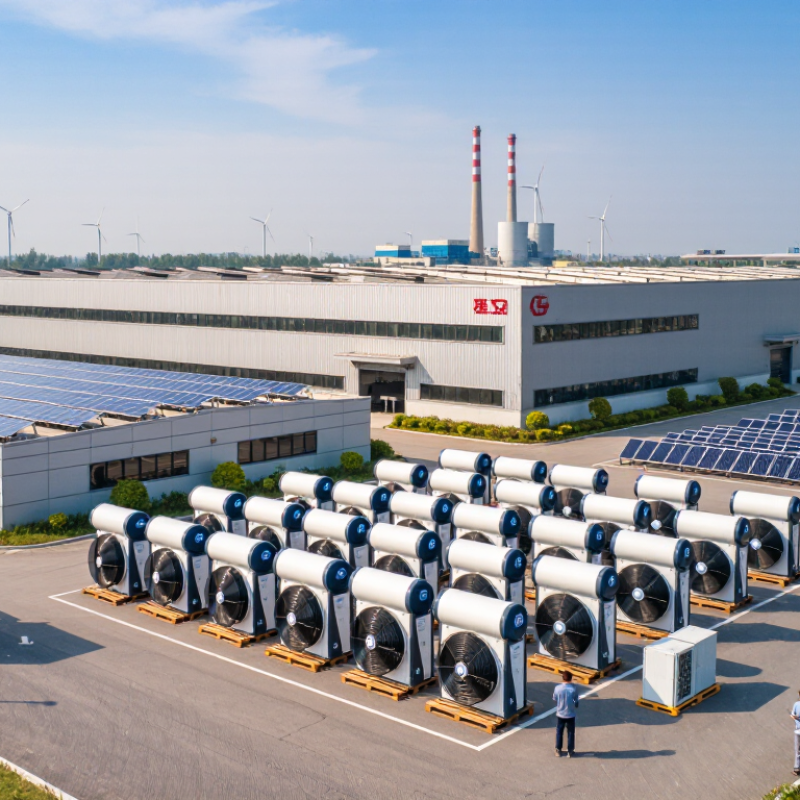
China has become a major force in the global Solar Heat Pump market. Its manufacturers serve homes, hotels, factories, farms, and public buildings. Production scale is impressive. Quality, however, can differ sharply between suppliers.
This article examines China’s top 10 Solar Heat Pump manufacturers through practical industry criteria. These include heating capacity, solar integration, seasonal efficiency, component quality, certifications, warranty support, and export experience. We also consider installation conditions, because a strong unit can still perform poorly when sizing is incorrect. Cold winters, cloudy days, roof direction, water temperature, and local electricity prices all matter.
The market is changing quickly.
Dr. Jan Rosenow, a widely cited heat-pump policy expert, has stated, “Heat pumps are a key technology for decarbonising heating.” This view helps explain why solar-assisted systems attract growing attention. They can reduce grid demand when solar energy is available. They may also lower operating costs in suitable climates. Results are not automatic.
Some manufacturers publish detailed performance data. Others provide limited information. That difference deserves careful attention. A factory brochure may show excellent laboratory efficiency, while a real installation faces dust, shading, freezing weather, or weak maintenance. This article therefore avoids treating brand popularity as proof of technical leadership.
The selected companies are compared with a balanced approach. Their strengths, limitations, product ranges, and likely applications are discussed clearly. Readers should still verify current certifications, local service coverage, refrigerant policies, and project references before purchasing. The ranking may not fit every buyer. That is an important limitation. Nevertheless, it offers a practical starting point for distributors, contractors, investors, and building owners exploring China’s Solar Heat Pump industry.
What Is a Solar Heat Pump and How Does It Work?
What Is a Solar Heat Pump and How Does It Work?
A solar heat pump combines solar energy with heat pump technology. Solar panels produce electricity for the compressor, fans, and circulation pumps. Some systems use solar thermal collectors instead. They transfer sunlight directly into water or refrigerant. The heat pump then moves low-temperature heat into a home, even during cool weather.
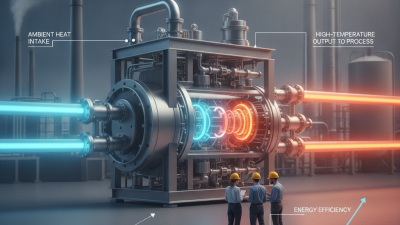
The working cycle is practical but easy to misunderstand. A refrigerant absorbs heat from outdoor air, solar-heated water, or the ground. The compressor raises its temperature. The condenser releases that heat into indoor air or a water tank. The expansion valve lowers pressure, and the cycle repeats. According to the International Energy Agency’s The Future of Heat Pumps report, heat pumps can deliver three to five units of heat for each electricity unit used. However, performance changes with weather, insulation, system design, and maintenance. The “solar” label does not guarantee zero emissions.
Tips: Match the system with local sunlight and winter temperatures. Use a qualified installer to calculate heat loss. Check the seasonal coefficient of performance, not only the advertised peak COP. A battery may improve evening operation, but it also adds cost and material use. The IEA also highlights the importance of efficient buildings for reducing heating demand. Poor insulation can weaken an otherwise advanced system. One detail is often overlooked: roof space, shading, and hot-water storage can decide whether the project works well.
China Top 10 Solar Heat Pump Manufacturers? What Is a Solar Heat Pump and How Does It Work?
Refrigerant selection is an important technical dimension when comparing solar-assisted heat pump equipment. The chart shows approximate 100-year global warming potential values for refrigerants commonly used in heat-pump systems. Lower values generally indicate lower direct climate impact if refrigerant leakage occurs.
A solar heat pump combines solar thermal energy with a vapor-compression heat pump. Solar collectors provide renewable heat, while the heat pump transfers additional heat from the air or ground to produce hot water or space heating. The compressor uses electricity to raise the refrigerant temperature, and the condenser then transfers that heat to the building or water tank. GWP figures are approximate and may vary slightly by assessment method and refrigerant blend.
How China’s Solar Heat Pump Manufacturers Are Evaluated
Evaluating China’s solar heat pump manufacturers requires more than comparing advertised efficiency. Inspectors should examine compressor quality, heat exchangers, insulation, controls, and corrosion resistance. Factory visits can reveal whether assembly lines are disciplined or rushed. Small details matter, such as sealed wiring terminals and clean refrigerant piping. A reliable manufacturer provides traceable component records and repeatable test results. Claims should match measured performance.
Independent testing should assess heating capacity, coefficient of performance, noise, defrost behavior, and safety under different climates. A unit performing well at 20°C may struggle during a damp winter night. Solar integration also deserves close attention. Evaluators should check how controllers balance solar input, thermal storage, grid power, and backup heating. Poor programming can waste energy even when the hardware is efficient. No laboratory test is perfect.
Field evidence adds practical authority. Reviewers can inspect installations after one or two heating seasons, checking leaks, filter condition, water temperature, and service history. Warranty response matters as much as the equipment itself. Manufacturers with trained technicians, available spare parts, clear manuals, and documented complaint handling appear more dependable. However, supplier interviews may present an overly positive picture. That weakness should be acknowledged, not hidden. A careful ranking combines factory evidence, independent certification, installer feedback, and long-term operating data.
How the Top Manufacturers Compare in Technology and Performance
China’s top ten solar heat pump manufacturers differ most in system design, not advertising claims. Some combine evacuated-tube collectors with heat pumps, while others use flat-plate panels and larger storage tanks. This choice affects winter output, installation space, and maintenance needs. A useful comparison starts with measured COP, heating capacity, and hot-water recovery time.
Field testing should include cold mornings, cloudy afternoons, and partial sunlight. In these conditions, inverter-driven compressors usually adjust more smoothly than fixed-speed units. Better systems maintain stable water temperatures near 50°C, even when outdoor temperatures fall below freezing. However, laboratory COP figures can look impressive under mild conditions. Real homes often show lower performance because of pipe losses, poor insulation, or frequent hot-water demand.
Control quality also separates the leading manufacturers. Reliable units include weather compensation, frost protection, fault records, and remote performance monitoring. Technicians should inspect collector orientation, circulation pumps, noise levels, and backup-heater use. A quiet compressor means little if service access is difficult. Stainless steel tanks resist corrosion, but their fittings still require careful inspection. The comparison remains imperfect. Installation quality can change energy use more than a small difference in rated efficiency. Manufacturers with strong test documentation and responsive technical support therefore deserve closer attention than those offering only higher headline figures.
China Top 10 Solar Heat Pump Manufacturers? - How the Top Manufacturers Compare in Technology and Performance
Rank
(Anonymous) |
Primary Solar Heat Pump Focus |
Main Heat Source |
Common Refrigerant Options |
Typical Heating Capacity Range |
Rated COP
A7/W35* |
Seasonal COP
SCOP* |
Maximum Water Outlet Temperature |
Low-Ambient Operation |
Solar Integration Capability |
Typical Acoustic Level |
Key Technology Strength |
| 01 |
Residential air-to-water systems |
Outdoor air |
R32; R290 on selected models |
6–30 kW |
4.3–4.8 |
3.8–4.4 |
55–60°C |
Down to −25°C |
PV surplus control; thermal storage |
45–52 dB(A) |
High-efficiency inverter control and smart-grid compatibility |
| 02 |
Domestic hot-water heat pumps |
Outdoor air |
R134a; R290 on newer designs |
2–10 kW |
3.6–4.2 |
3.2–3.9 |
60–70°C |
Down to −15°C |
Solar preheating and PV-priority operation |
42–50 dB(A) |
High-temperature domestic hot-water production |
| 03 |
Commercial heating and cooling |
Outdoor air |
R32; R410A in legacy systems |
30–200 kW |
3.5–4.2 |
3.1–3.8 |
50–60°C |
Down to −20°C |
BMS, PV forecasting and cascade control |
52–65 dB(A) |
Modular cascade systems for hotels and offices |
| 04 |
Swimming-pool heating |
Outdoor air |
R32; R410A |
8–100 kW |
4.8–6.5 |
4.2–5.6 |
35–40°C |
Down to −10°C |
Solar thermal loop and PV operation |
48–60 dB(A) |
Excellent efficiency at low-temperature water loads |
| 05 |
Ground-source and hybrid systems |
Ground loop and outdoor air |
R410A; R32 |
10–150 kW |
4.5–5.5 |
4.0–5.0 |
50–60°C |
Stable operation below −25°C with ground loop |
Solar thermal regeneration of ground loop |
40–55 dB(A) |
Stable seasonal performance and reduced defrost demand |
| 06 |
Cold-climate residential heating |
Outdoor air |
R32; R290 |
8–35 kW |
3.8–4.5 |
3.4–4.1 |
55–65°C |
Down to −30°C |
PV priority, backup heater coordination |
46–55 dB(A) |
Enhanced vapor injection and low-temperature stability |
| 07 |
Integrated solar-assisted HVAC |
Outdoor air and solar thermal |
R32; R290 |
5–50 kW |
4.0–4.7 |
3.6–4.3 |
50–60°C |
Down to −20°C |
Solar thermal priority and PV load shifting |
44–54 dB(A) |
Coordinated control of solar, heat pump and storage |
| 08 |
High-temperature retrofit solutions |
Outdoor air |
R290; R32 |
8–40 kW |
3.2–4.0 |
2.9–3.7 |
65–75°C |
Down to −20°C |
PV self-consumption and buffer-tank control |
47–56 dB(A) |
Suitable for radiator replacement and renovation projects |
| 09 |
Light-commercial hot-water systems |
Outdoor air |
R134a; R513A; R290 |
10–80 kW |
3.4–4.1 |
3.0–3.7 |
60–70°C |
Down to −15°C |
Solar preheating and time-of-use scheduling |
50–62 dB(A) |
Reliable hot-water supply for small commercial facilities |
| 10 |
Industrial and process heating |
Air, water and waste heat |
R134a; R1234ze; R290 |
50–500 kW+ |
3.0–4.0 |
2.8–3.6 |
70–90°C |
Application-dependent |
Solar thermal support, waste-heat recovery and thermal storage |
58–72 dB(A) |
High-temperature process integration and custom engineering |
*Performance basis: COP figures are representative industry ranges measured under commonly used air-to-water test conditions. A7/W35 means outdoor air at 7°C and leaving water at 35°C. Actual performance varies with model, flow temperature, humidity, installation and control settings.
Comparison note: The manufacturers are intentionally anonymized. Refrigerant availability, capacity, temperature limits, certifications and operating ranges should be confirmed against the current technical datasheet for the selected model.
Key Factors for Selecting a Chinese Solar Heat Pump Manufacturer
China’s top ten solar heat pump manufacturers should be compared by evidence, not catalogue size. The IEA reported that global heat pump sales grew by 11% in 2022, showing strong market momentum. However, rapid growth can hide uneven quality. Ask each manufacturer for tested COP values, seasonal performance data, and operating results in cold or humid climates. A COP measured at 20°C ambient temperature says little about winter heating.
Solar integration needs closer inspection. Solar Heat Worldwide 2024 estimated global solar thermal capacity at about 560 GWth by the end of 2023. A capable supplier should explain how collectors, storage tanks, controls, and heat pumps work together. Request a hydraulic diagram, not only attractive product images. Check performance at realistic conditions, such as 7°C air temperature and 35°C water output. Small details matter, including defrost cycles, pump noise, corrosion protection, and insulation thickness.
Factory verification also deserves time. Review ISO 9001 procedures, safety certification, compressor traceability, endurance testing, and spare-parts availability. Speak with installers who have operated systems for at least one heating season. Warranty length is useful, but response time matters more. A low quotation may become expensive after installation. No factory is perfect. I would record unanswered technical questions rather than ignore them. That imperfect record often reveals how honestly a supplier handles risk, performance limits, and after-sales responsibilities.