What is High Temperature Heat Pump and How Does it Work?
High Temperature Heat Pumps (HTHP) are gaining traction as a vital solution for energy efficiency and sustainability. According to a report by the International Energy Agency, HTHP technology can reduce carbon emissions by up to 70% in industrial applications. This remarkable potential is underscored by experts in the field. Dr. Emily Stokes, a leading researcher in thermal systems, notes, "High Temperature Heat Pumps can redefine energy consumption in industrial processes."
The mechanism behind HTHPs involves extracting heat from the environment and raising its temperature for use in various applications. This process is crucial for industries like manufacturing and food processing, where high-temperature heat is essential. However, challenges remain. The efficiency of HTHPs can be influenced by ambient temperatures and operational settings.
Market analysis suggests a growing demand for HTHPs, but further innovation is needed. While the technology holds promise, issues like cost and integration into existing systems require careful consideration. Embracing HTHPs may not be a straightforward path, but the potential benefits to energy systems are significant.
Definition and Overview of High Temperature Heat Pumps
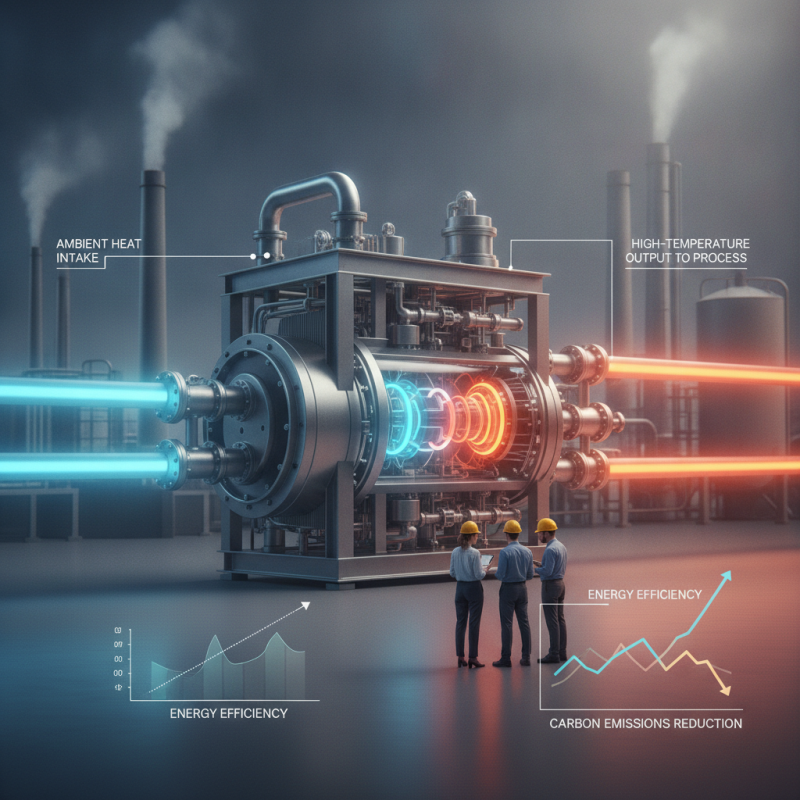
High Temperature Heat Pumps (HTHPs) are advanced systems designed to extract heat from low-temperature sources and elevate it for high-temperature applications. These systems typically operate at temperature ranges of 80°C to 100°C, making them suitable for industrial processes like food production and chemical manufacturing. According to the International Energy Agency, HTHPs can improve energy efficiency by over 50% compared to traditional heating methods.
The mechanics behind HTHPs involve compression cycles similar to conventional heat pumps. A refrigerant circulates through the system, absorbing heat from the environment. As the refrigerant compresses, its temperature rises significantly. This process requires precise engineering and advanced materials capable of withstanding high pressures and temperatures. However, HTHPs face challenges in integrating with existing systems. Retrofitting can be costly and may require significant modifications to infrastructure.
Data from the European Heat Pump Association indicates that the market for high-temperature heat pumps is expected to grow exponentially, driven by sustainability goals. Industries are pressured to reduce emissions as regulations tighten. However, some users may hesitate due to the high initial investment costs or the complexity of installation. Addressing these concerns is crucial for wider adoption in the market.
Components of a High Temperature Heat Pump System
High temperature heat pumps (HTHP) are innovative systems designed to provide efficient heating for various applications. These systems consist of several key components that work harmoniously to achieve desired temperatures. Understanding these components is essential for effective utilization.
The compressor is a vital part of the HTHP. It increases the pressure of refrigerant vapor, raising its temperature in the process. The high-pressure vapor then moves to the condenser, where it releases heat and turns back into a liquid. This cycle repeats continuously. A receiver stores excess refrigerant, ensuring the system operates smoothly during fluctuating demands.
In addition to these primary parts, expansion valves play a crucial role. They control the flow of refrigerant into the evaporator, regulating the cooling and heating processes. This precise control enhances efficiency and overall performance.
Tips: Regular maintenance of the heat pump components can significantly extend their lifespan. Checking the refrigerant levels and ensuring the compressor functions well are critical steps. Keep an eye on the temperature output to catch any anomalies.
Another important aspect is insulation. Proper insulation in connected systems can prevent heat loss. A well-insulated environment allows the HTHP to work with maximum efficiency, reducing operational costs.
HTHP systems are complex, and understanding their components can seem daunting. Engaging with professionals for installation and maintenance is often beneficial. Their expertise can prevent potential issues and ensure optimal operation.
What is High Temperature Heat Pump and How Does it Work? - Components of a High Temperature Heat Pump System
| Component |
Description |
Function |
Operating Temperature Range (°C) |
| Compressor |
A device that increases the pressure of the refrigerant. |
Circulates refrigerant and raises its temperature for heating. |
-5 to 80 |
| Condenser |
Exchanges heat from the refrigerant to the heating medium. |
Transfers heat to the water or air for heating applications. |
40 to 85 |
| Expansion Valve |
Regulates the flow of refrigerant into the evaporator. |
Reduces refrigerant pressure and temperature before entering the evaporator. |
-5 to 55 |
| Evaporator |
Absorbs heat from the environment and vaporizes the refrigerant. |
Extracts heat to raise the refrigerant's temperature. |
-20 to 40 |
| Refrigerant |
A fluid used to transfer heat in the heat pump system. |
Circulates through the system to absorb and release heat. |
Varies by type, typically -30 to 100 |
Working Principles of High Temperature Heat Pumps
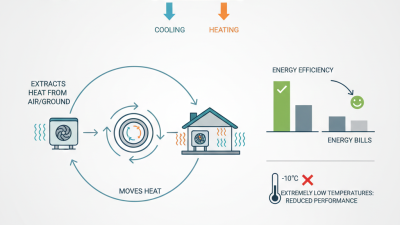
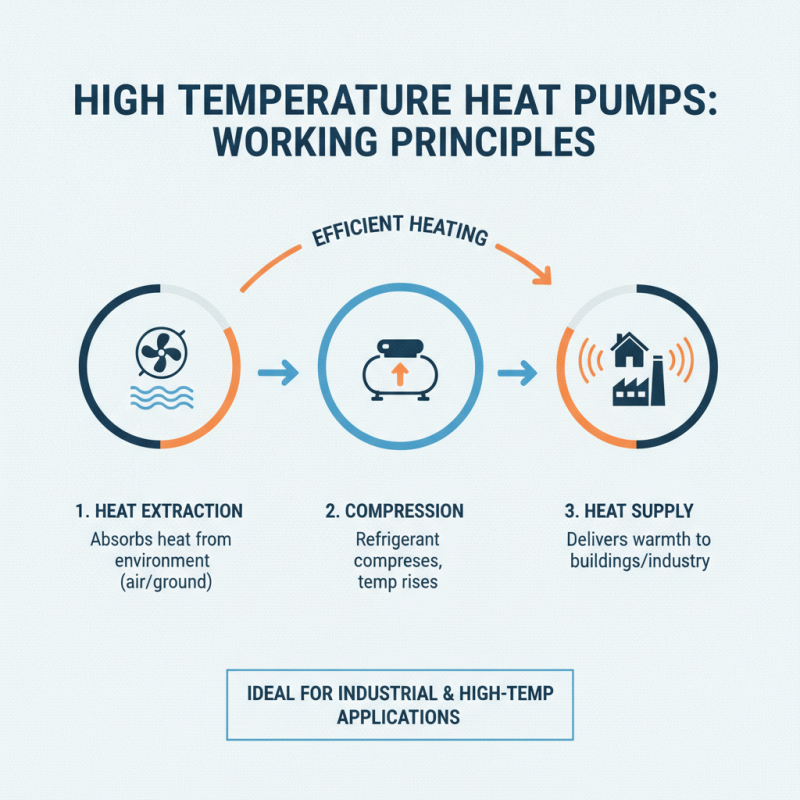
High temperature heat pumps are innovative devices designed for efficient heating. They operate by extracting heat from the environment and raising its temperature to supply warmth to buildings or processes. These pumps utilize a refrigerant that absorbs heat from a cold source, like the air or ground, and compresses it to a higher temperature. This process makes them suitable for applications that require higher heating temperatures, such as industrial settings.
Understanding the working principles of high temperature heat pumps involves recognizing the key components. The evaporator absorbs heat, while the compressor increases the refrigerant's pressure. This is followed by the condenser, which releases heat to the desired location. Finally, the expansion valve reduces the pressure of the refrigerant, allowing it to cycle back through the evaporator. This seamless cycle continues, providing consistent heat.
**Tip:** Regular maintenance of your heat pump enhances its efficiency. Check filters and clean coils periodically.
High temperature heat pumps can struggle in extremely low temperatures. Their efficiency may drop in harsh winter conditions. Users should monitor performance, especially during these times.
**Tip:** Consider upgrading insulation in your space. Improved insulation helps retain heat and supports pump efficiency.
Applications of High Temperature Heat Pumps in Various Industries
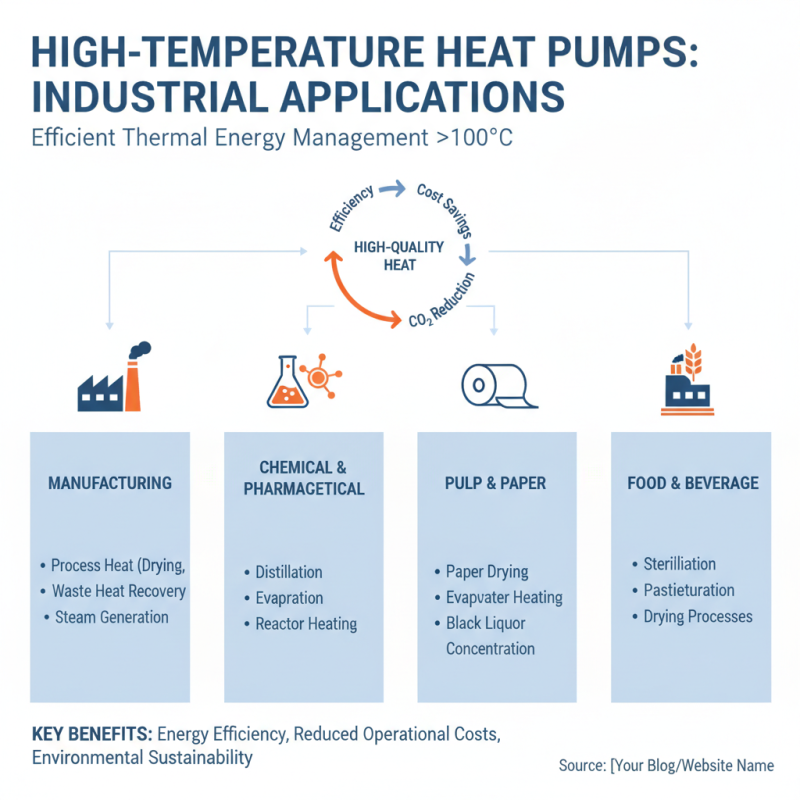
High temperature heat pumps (HTHPs) have gained traction in various industries for their efficiency in managing thermal energy. These systems can produce heat at temperatures exceeding 100°C. This capability opens new doors for industrial applications that require high-quality heat.
In the manufacturing sector, HTHPs are often used in processes like drying and sterilization. For example, food processing facilities benefit from them as they can maintain sanitary conditions while minimizing energy consumption. Moreover, the chemical industry utilizes HTHPs for heat integration, allowing for energy recovery that significantly lowers operational costs.
Despite the numerous advantages, HTHPs also face challenges. The initial setup cost can be high, and not all facilities have the infrastructure to support their operation. Additionally, ongoing maintenance can be complex, requiring specialized knowledge. Therefore, careful consideration is essential before implementation, ensuring the investment aligns with the long-term goals of the facility. Each industry must evaluate its unique needs and potential hurdles when adopting high temperature heat pumps.
Advantages and Disadvantages of High Temperature Heat Pumps
High-temperature heat pumps (HTHP) play a critical role in modern energy solutions. They provide heating at temperatures exceeding 60°C, making them suitable for industrial applications. According to the International Energy Agency (IEA), HTHPs can reduce energy consumption by up to 50% compared to traditional heating systems. This efficiency could significantly lower greenhouse gas emissions, aligning with global sustainability goals.
However, HTHPs are not without challenges. Installation costs can be high, often deterring potential users. Maintenance may also require specialized knowledge, which can increase long-term costs. A report from the Heat Pump Association noted that more than 30% of installations face issues due to improper setup. Additionally, HTHPs may face performance challenges in extremely cold climates. While advanced technology continues to evolve, users must be aware of these limitations.
Despite the drawbacks, HTHPs have distinct advantages. They support the shift towards renewable energy by integrating well with solar or wind systems. A study by the European Commission indicated that increasing the number of HTHPs could contribute to a 15% reduction in overall energy demand by 2030. This potential uplifts their status as a viable heating option for the future.
High Temperature Heat Pump Efficiency Comparison
This bar chart illustrates the Coefficient of Performance (COP) of different high temperature heat pump systems: Air Source, Ground Source, and Water Source. Higher COP indicates greater efficiency, which is crucial for understanding the effectiveness of various heat pump technologies.