What is a Water Heatpump and How Does It Work?
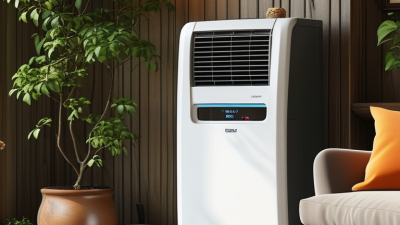
A Water Heatpump is an innovative solution for modern heating and cooling needs. It uses renewable energy sources to transfer heat. This technology is becoming increasingly popular for residential and commercial applications. With climate change concerns rising, many seek sustainable options for maintaining comfortable indoor temperatures.
Understanding how a Water Heatpump operates is essential. It circulates water through a series of components to extract heat from the ground or a water source. This heat is then used to warm a building. When cooling is needed, the process reverses, allowing for efficient temperature control year-round.
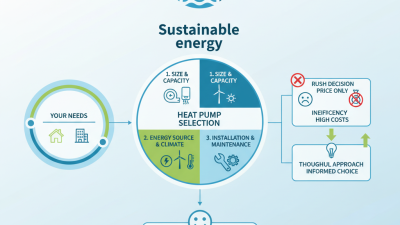
While the benefits are clear, some challenges exist. Installation can be complex and costly. Not all homes are suitable for this type of system. However, with proper planning and expertise, a Water Heatpump can provide significant energy savings and environmental benefits. It is a step towards a more sustainable future, but thoughtful consideration is required to maximize its potential.
What is a Water Heat Pump? Definition and Basics
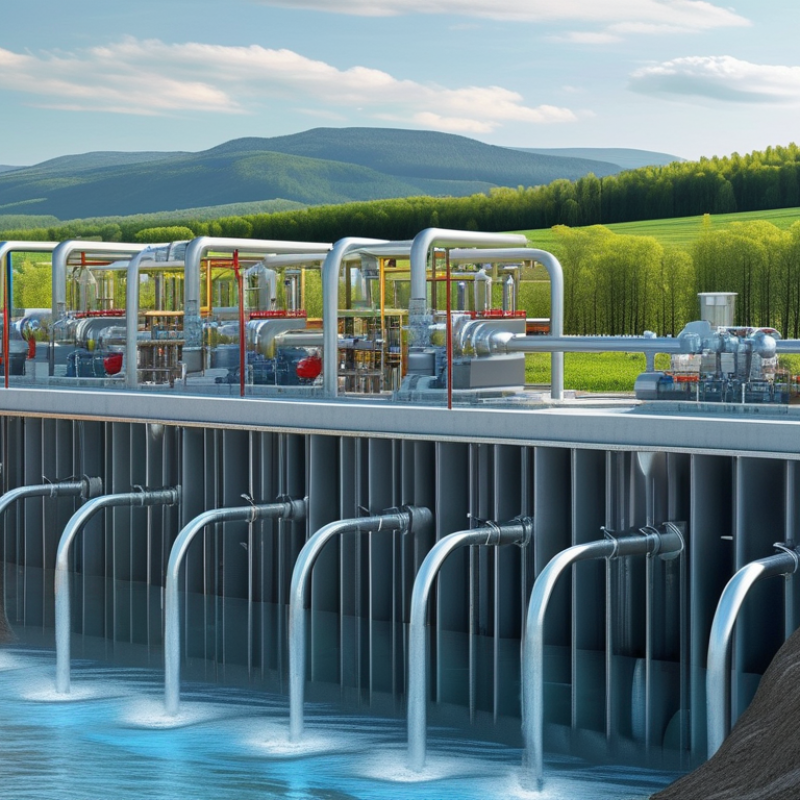
A water heat pump is an innovative heating and cooling system. It moves heat energy from one place to another, utilizing water as the primary heat exchange medium. This technology works by extracting heat from the ground or water sources. The heat is then transferred to a building through a series of pipes and radiators. It’s an efficient way to regulate indoor temperatures.
Understanding the basics of how a water heat pump operates is crucial. It uses a refrigeration cycle, similar to traditional air conditioners. The pump circulates a refrigerant that absorbs heat from one location and releases it at another. This efficient process often results in lower energy bills. However, installation can be complex and may require professional expertise.
Water heat pumps can be very effective, but they have limitations. They perform best in moderate climates. In extreme cold, their efficiency may drop. Homeowners should consider local conditions before installation. Regular maintenance is crucial. Problems can arise if not checked regularly. Awareness of these factors can lead to more informed decisions.
The Mechanism of Water Heat Pumps: How They Operate
Water heat pumps are efficient systems designed to heat or cool spaces by transferring heat from water. They operate similarly to air conditioners but utilize water as the medium for heat exchange. Essential components include a heat exchanger, compressor, and expansion valve. The process begins when the pump extracts heat from the water source, even in low temperatures. This heat is then compressed, raising its temperature before it's released into the living space.
Heat pumps are effective because they can reverse their operation. In summer, they can remove heat from your home and transfer it to the water. This dual functionality makes them versatile for year-round use. The system's efficiency often leads to lower energy bills, contributing to eco-friendly living.
Tips:
When installing a water heat pump, consider the local climate. A properly sized unit will maximize efficiency. Regular maintenance is crucial. This can prevent minor issues from becoming costly repairs. Be aware of potential noise from the system. If you have a noise-sensitive environment, look for models designed for quiet operation.
Types of Water Heat Pumps: Comparative Analysis and Uses
Water heat pumps are a versatile technology designed for efficient heating and cooling. Various types exist, each with unique features and ideal applications. For instance, air-source heat pumps extract heat from the outdoor air, while ground-source models utilize the earth’s stable temperature. Each type presents benefits and challenges, depending on your location and usage needs.
Air-source heat pumps are popular due to their lower installation costs. They work well in moderate climates but struggle in extreme temperatures. Ground-source heat pumps are more efficient but come with higher upfront costs. Their performance benefits are clear in regions with consistent soil temperatures. However, the installation process can be complicated and space-consuming.
Another type is water-source heat pumps, which draw energy from bodies of water like lakes or rivers. They are efficient but depend on the proximity to suitable water sources. Choosing the right heat pump requires careful analysis of each type's efficiency, cost, and environmental impact. Reflecting on personal needs can guide the decision-making process, taking into account specific home conditions and local climate factors.
Efficiency Ratings of Water Heat Pumps: Industry Standards Explained
When assessing water heat pumps, efficiency ratings play a crucial role. These ratings indicate how effectively a unit converts energy into heating or cooling. Common metrics include the Coefficient of Performance (COP) and the Energy Efficiency Ratio (EER). A higher rating typically suggests better performance, but this can vary by conditions.
Understanding these standards requires some expertise. A COP of 4.0 means a heat pump produces four units of heat for every unit of electricity consumed. However, real-world performance may differ due to factors like installation quality. This highlights the importance of expert installation and regular maintenance. Even small errors can lead to significant efficiency losses over time.
However, efficiency isn't everything. Cost and environmental impacts also matter. Users need to weigh upfront expenses against potential savings on energy bills. It’s not always straightforward. Sometimes, a cheaper model might result in higher long-term costs. Users must consider all these aspects before making a decision.
Water Heat Pump Efficiency Ratings
| Model |
Type |
COP (Coefficient of Performance) |
Energy Efficiency Ratio (EER) |
Heating Capacity (kW) |
Noise Level (dB) |
| Model A |
Air Source |
4.5 |
18.0 |
12 |
45 |
| Model B |
Geothermal |
5.0 |
20.0 |
15 |
40 |
| Model C |
Water Source |
4.8 |
19.5 |
10 |
42 |
| Model D |
Hybrid |
4.2 |
17.5 |
13 |
50 |
Benefits of Water Heat Pumps: Environmental and Economic Impact
Water heat pumps are an innovative solution for energy efficiency. They utilize a small amount of electricity to transfer heat from a water source, such as a lake or groundwater, into buildings. This method proves particularly beneficial as it reduces reliance on fossil fuels. According to the U.S. Department of Energy, heat pumps can decrease energy use by up to 50% compared to traditional heating methods.
The environmental benefits of water heat pumps are notable. By harnessing natural heat, these systems significantly reduce greenhouse gas emissions. A report by the International Energy Agency highlights that heat pumps could potentially cut global CO2 emissions by 50 gigatons per year by 2050. This presents a clear opportunity for both individuals and businesses to make impactful changes toward sustainability.
From an economic perspective, installing water heat pumps can lead to substantial cost savings. Although the initial investment may be higher, operating costs are often lower. A study from the American Council for an Energy-Efficient Economy estimates that homeowners can save between 30% to 60% on heating and cooling bills. However, these systems require careful planning and assessment of site conditions, which can complicate installations. It is crucial to weigh these factors against potential long-term gains.